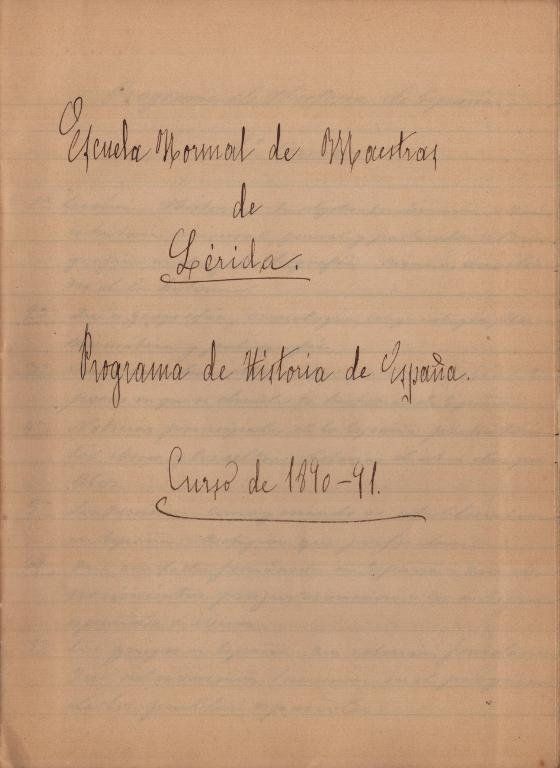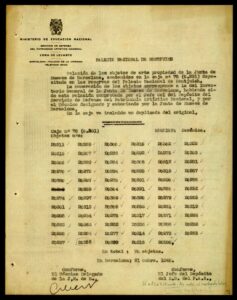
Record of return to the Board of Museums of works owned by the National Artistic Heritage Recovery Service (1940)
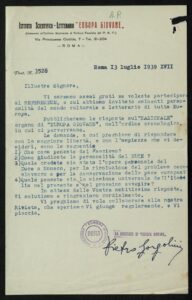
Gorgolini, Pietro (Direzione di “Europa Giovane”) (13.07.1939).
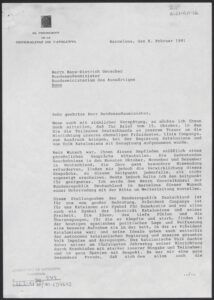
Message from the Federal Minister of Foreign Affairs of the German Government to President Jordi Pujol acknowledging Germany’s participation in the execution of President Companys
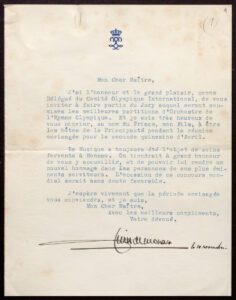
Letters inviting Pau Casals to be part of the jury of the competition for the creation of a new version of the Olympic anthem, signed by Prince Pierre of Monaco and the Chancellor of the IOC, the Swiss Otto Mayer (1954). Within: International Olympic Committee. Member of the jury for the competition to create a new version of the Olympic anthem.
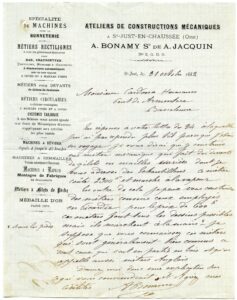
Letter from A. Bonamy Successeur of A. Jacquin (Saint-Just-en-Chaussée) to the firm Cardona Hermanos (established at Pont d’Armentera), on 31/10/1882
![Leaflet of the Collective "Let us join hands" of the Groupement International de Peuples Européens [1976]](https://catalunyapaisdarxius.cat/wp-content/uploads/2025/10/0819-ANC1-393-T-851_001-thumbnail-300x211.jpg)
Leaflet of the Collective “Let us join hands” of the Groupement International de Peuples Européens [1976]
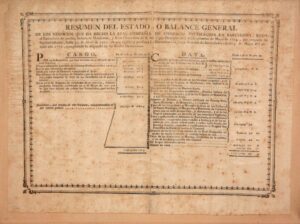
Balance sheet of the Royal Company of Commerce
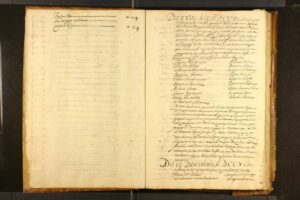
Book of sizes and determinations of the University of Cassà
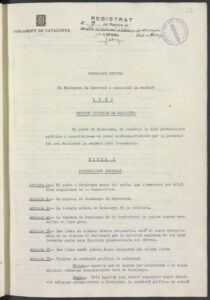
Protocols of Laws, vol. 01/07. Internal Statute Law of Catalonia (25/05/1933)
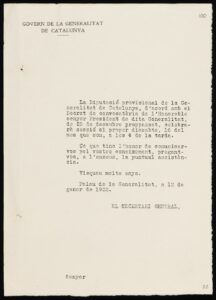
Constitution of the Provisional Provincial Council of the Generalitat of Catalonia (Statute Project of Catalonia, Plebiscite, Referendum). (05/03/1931-10/25/1932)
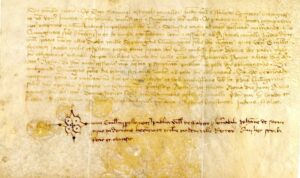
Ordination of the Poboleda wine brokerage
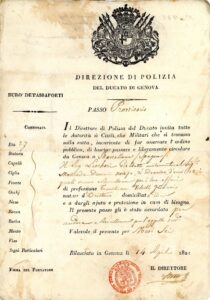
Piedmontese
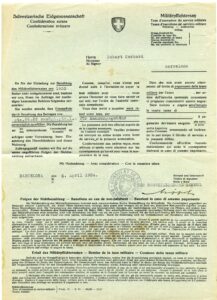
The Swiss Federation demands from the musician Robert Gerhard the payment of the exemption fee from military service, on 04/06/1934, under penalty of penalty
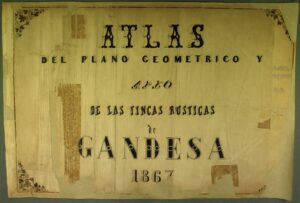
Atlas of the Geometric and Apeo Plan of the Rural Estates of Gandesa
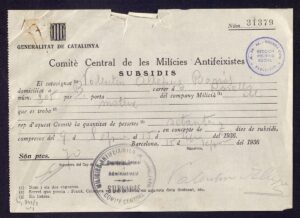
Central Committee of the Anti-Fascist Militias. Accusations of receipt of war allowances received by militiamen and relatives of militiamen.
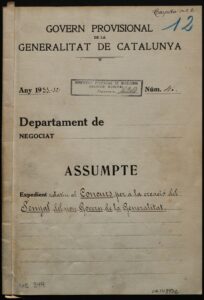
Competition for the creation of the sign of the new government of the Generalitat (28/07/1931-01/02/1932)
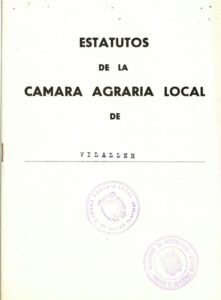
Statutes of the Local Chamber of Agriculture of Vilaller
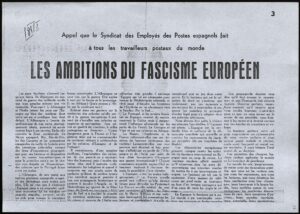
“Les ambitions du fascisme européen. Appeal que le Syndicat des Employés des Postes espagnols fait à tous les travailleurs postalaux du monde” (1937)
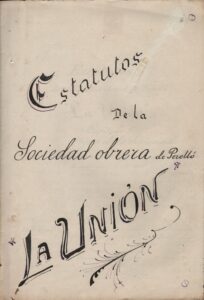
Statutes of the association file of the Societat Obera “La Unión” of Perelló.
(AHT. Civil Government Fund of Tarragona. Reg.1100)
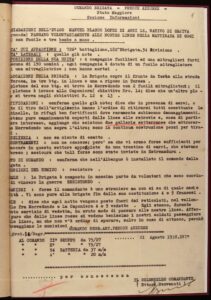
Blue Arrows General Staff. Information session. Declaration of a deserter
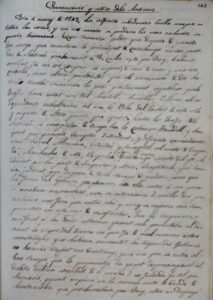
Manual of curiosities and political, economic and instructive notices that for its use and governance becomes Pau Anfruns y Roma (a) Perecó of the place of Castellar de Nuch Bishopric of Solsona and party of Berga in the year 1844
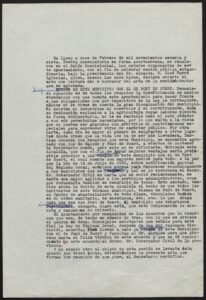
Incorporation of the municipalities of Llesp, Malpàs and Viu de Llevata to that of Pont de Suert
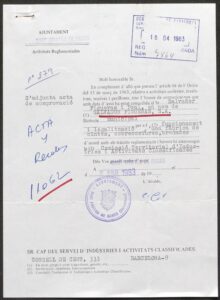
File of classified activities: textile tape factory of Salvador Figuerasm, S.A. (13/01/1982)
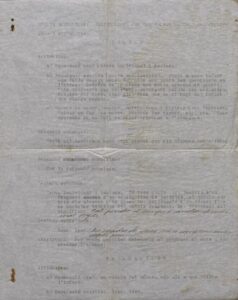
MONTESSORI SCHOOL INSTRUCTIONS FOR READING, WRITING AND ARITHMETIC TESTS. 1922
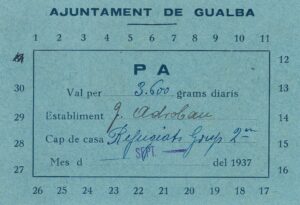
Valid for the amount of bread intended for a group of refugees
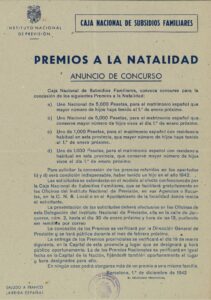
Birth awards
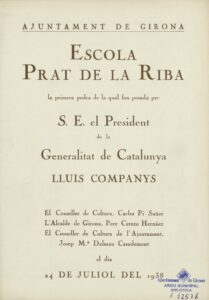
Prat de la Riba School
![Bellsolell Tower, Hotel Tibidabo [currently Passeig Sant Gervasi 15 - 21, College of Jesús Maria]. Enric Sagnier's request to build a girls' school](https://catalunyapaisdarxius.cat/wp-content/uploads/2025/10/AMDSG1-014.-Expedient-3351_001-thumbnail-scaled-1-206x300.jpg)
Bellsolell Tower, Hotel Tibidabo [currently Passeig Sant Gervasi 15 – 21, College of Jesús Maria]. Enric Sagnier’s request to build a girls’ school
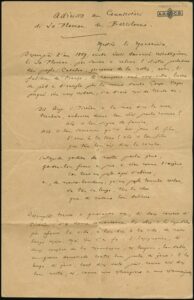
Letter from Frederic Mistral to the Consistory of the Floral Games of Barcelona
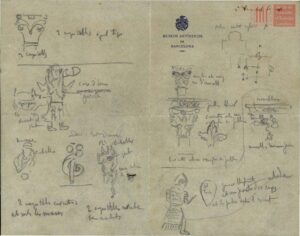
Manuscript notes by Josep Pugi i Cadafalch on capitals and other decorative elements of the Church of Sant Pau del Camp (Barcelona)
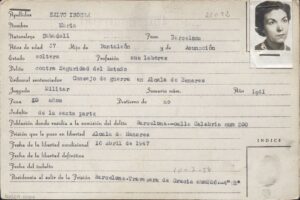
File of the ward Maria Salvo Iborra (1939-1976) (description at ui level)
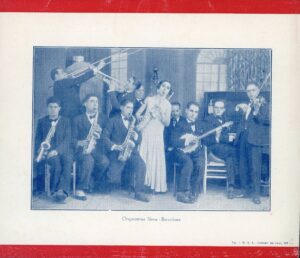
Program of the fairs and festivals of Sant Cugat del Vallès, September 1932.
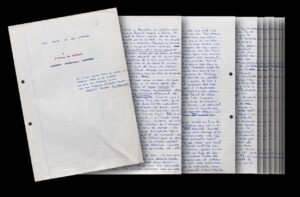
“Cherry time”: manuscript
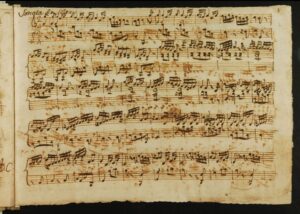
Sonatas of Fr. Fray Antonio Soler who made it for the amusement of the Sereníssimo Señor Infante Don Gabriel, work 7ª and 8ª. 1802
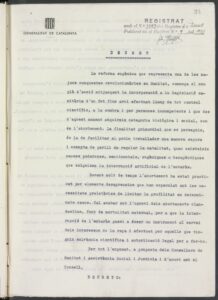
Protocols of Decrees, vol. 21/3593. Decree regulating the artificial termination of pregnancy (12/25/1936)
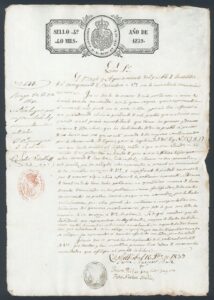
Office addressed to the Governing Board of the Principality of Catalonia of Charles V exposing the economic difficulties due to the payment of contributions due to the drought, the drop in wine prices and the war.
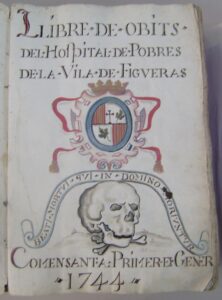
Book of obituaries of the Hospital de Pobres de Figueres
![Manifesto of Catalan intellectuals in favor of a European Federation [1945 - 1950]](https://catalunyapaisdarxius.cat/wp-content/uploads/2025/10/ANC1-416-T-278_001-thumbnail-300x220.jpg)
Manifesto of Catalan intellectuals in favor of a European Federation [1945 – 1950]
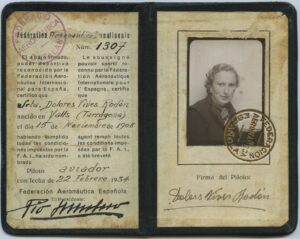
Pilot title of Dolors Vives Rodon, obtained on 02/22/1934
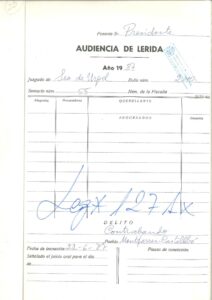
Summary of the Lleida Provincial Court of 1987 for smuggling in Montferrer and Castellbò (Alt Urgell).
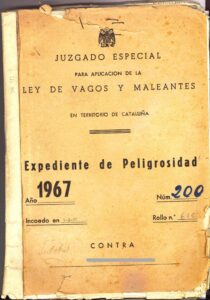
File of the Special Court of “Vagos and Maleantes” of Catalonia for mental illness number 200/1967
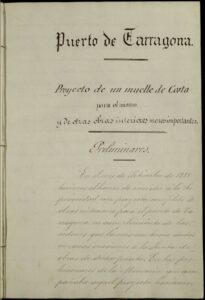
Project for a Coastal Dock and other less important interior works for the Port of the Capital
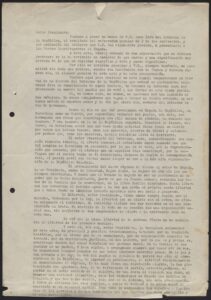
Statute of Autonomy. Speech by Francesc Macià to the President of the Republic (presentation of the Statute in Madrid and vote in the Cortes) (1931)
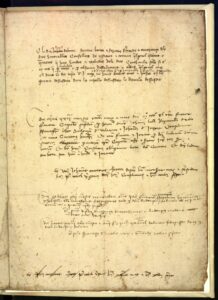
Instruction manual for making dyes and sample of prints
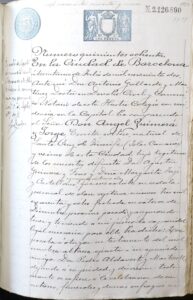
Testament of the playwright, politician and poet Àngel Guimerà i Jorge
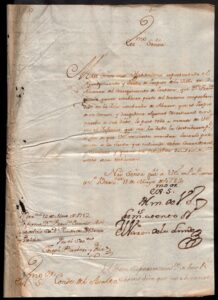
Collection of documents on Abària Island
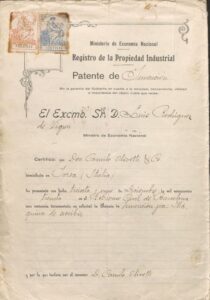
Registration of trademarks and patents. Descriptive report of an invention patent for 20 years, for Spain, of a typewriter in favor of the engineer Camilo Olivetti & Co domiciled in Ivrea (Italy)
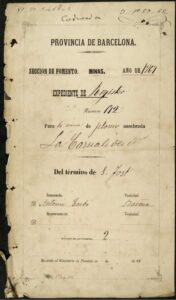
Registration file of “2 belongings of the lead mine named “La Casualidad” site of Pou de la Gana terminus de San Fost”. (Barcelona) (28/10/1867-21/09/1868)
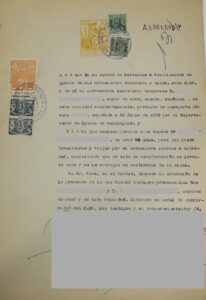
1955 Matrimonial Consent Act
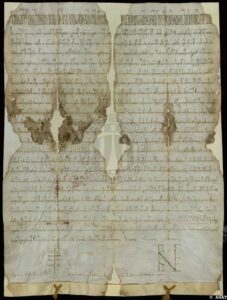
Inter primas Hispaniarum urbes
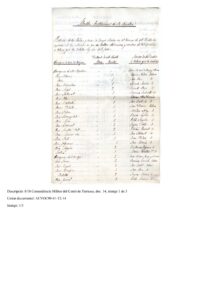
List of the country houses of all the towns of the party, collected by the Military Command of the Canton of Terrassa.
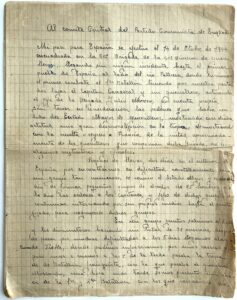
Memoirs of Ramona Zufiaurre Urquiola, Basque communist brigadier (14.00.1944 – 25.05.1947)
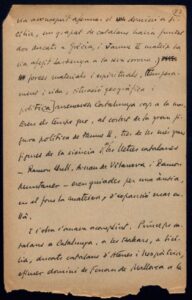
“History of Catalonia”. First manuscript of different chapters
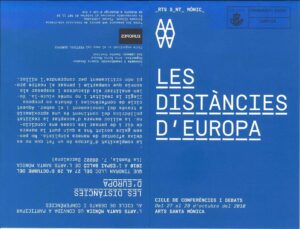
The distances of Europe
Certificate from the archive of the Monastery of Sant Cugat.
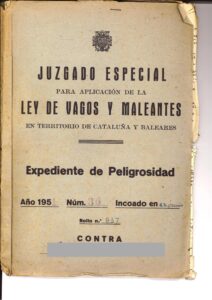
File of the Special Court of “Vagos and Maleantes” of Catalonia for clandestine crossing of borders number 36/1951
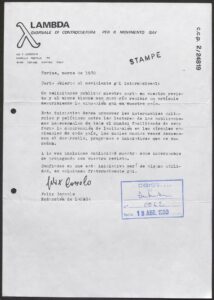
Lambda, counterculture journal for the gay movement. Letter from the editors of the magazine requesting that a letter addressed to the international gay movement be published in the magazine of the Front d’Alliberament Gay de Catalunya (1980).
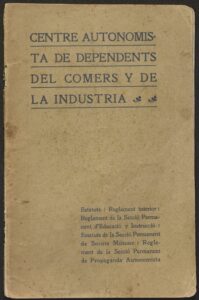
“Statutes, Internal Regulations, Regulations of the Permanent Section of Education and Instruction; Statutes of the Permanent Section of Mutual Aid; Regulations of the Permanent Section of Autonomist Propaganda”
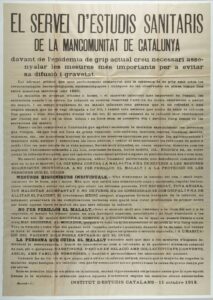
Letters, hygiene standards posters and reports on the Spanish flu epidemic in different Catalan populations, in Spain and in Europe by Dr. Lluís Sayé and Sampere, from the Institute of Sciences of the Health Studies Service
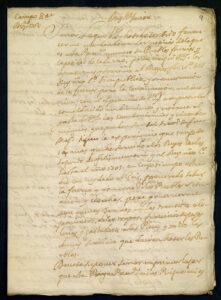
Draft of a letter from Josep Aparici advising how to act before the populations that have to render services to the king and the army and that, through excuses, try to avoid it.
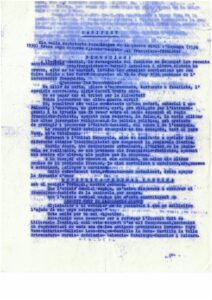
Manifesto
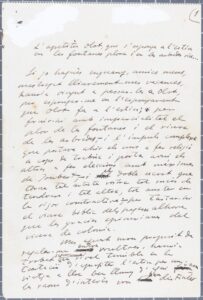
Prayer of the maimed soldiers. Presidential speech of the XXVIII Literary-Artistic Competition of Olot, manuscript by Eugeni d’Ors. Published in Vida Olotina, 28 September 1917
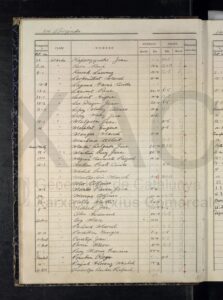
Register book of patients admitted to the Military Clinic 5 of International Brigades
![Protocol of Provisions [VOLUME 01] Provisional Government. Decree on the structuring of the Ministries to be held by the Government of the Generalitat of Catalonia. Decree on the composition of the Executive Council of the Generalitat of Catalonia](https://catalunyapaisdarxius.cat/wp-content/uploads/2025/10/0691-ANC1-283-T-12002-i-12003_001-thumbnail-scaled-1-200x300.jpg)
Protocol of Provisions [VOLUME 01] Provisional Government. Decree on the structuring of the Ministries to be held by the Government of the Generalitat of Catalonia. Decree on the composition of the Executive Council of the Generalitat of Catalonia
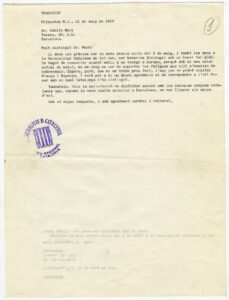
Letter from Albert Einstein to Adolf Marx (1/4/1934)
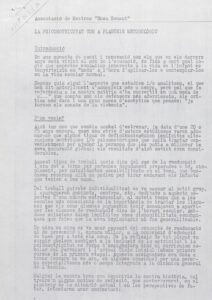
First Congress of Pedagogical Renewal Movements (Barcelona). Communications and presentations of the Association of Teachers “Rosa Sensat”
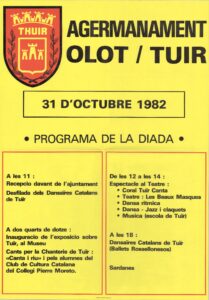
Administrative file of twinning with Tuïr
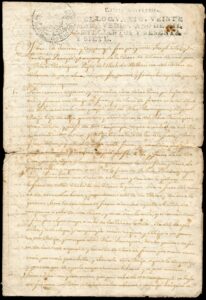
Contract for the opening of a hardware store in Mollerussa
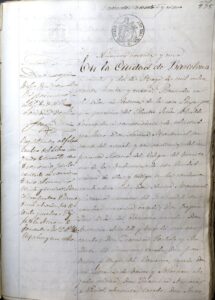
Statutes of the underwater navigation society
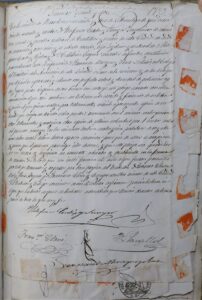
Testament of the engineer Ildefons Cerdà i Sunyer
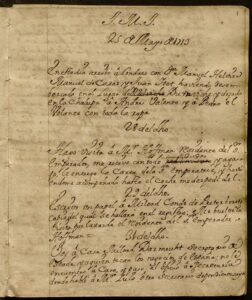
Dietary book of memories, referring to the acts practiced by Mr. D. Pablo Ignacio de Dalmases y de Ros as ambassador sent by the Catalan Courts to England, during the time of the War of Succession
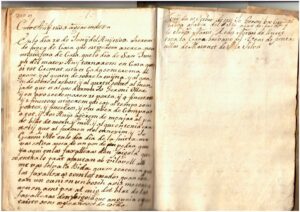
Annotation in the book Notes of the house Oller d’Esclet 16th-19th centuries
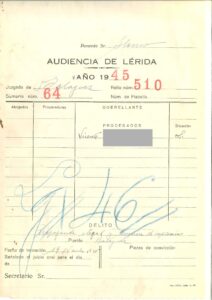
Summary of the arrest of five members of a clandestine propaganda network that disseminated the newspaper Solidaridad obrera. One of the members also kept explosives in his home.
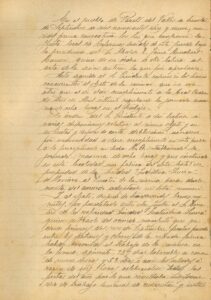
Communication of the regulations on the 8-hour day
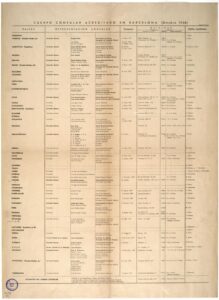
Secretary of Foreign Relations. Relation of the Consular Corps accredited in Barcelona (1936/1938).
Marital authorization for grant of sale deed 1940
Record of the referendum for the agreement to negotiate a loan for the construction of the market square.
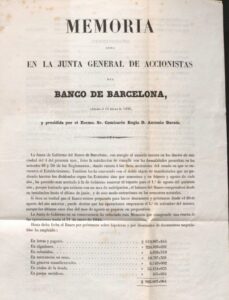
Memoirs of Banco de Barcelona at the General Meeting of Shareholders. Accounting. Volume 1. 15.02.1846 – 06.08.1876
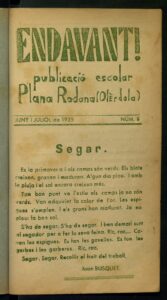
Page of the school magazine Forward! made with the Freinet Techniques. Number 8, June 1935
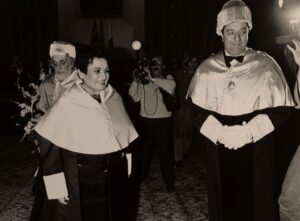
File of the investiture act of Doctor ‘Honoris Causa’ of Victòria dels Àngels
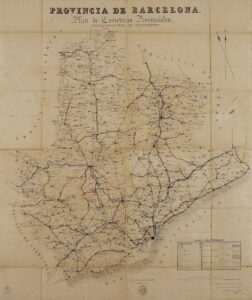
Province of Barcelona. Plan of provincial roads, June 13, 1878. Author: Melcior de Palau (engineer). Fund: Provincial Council of Barcelona.
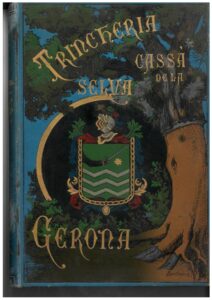
The Hispano-Portuguese Customs League of Marçal de Trinxeria
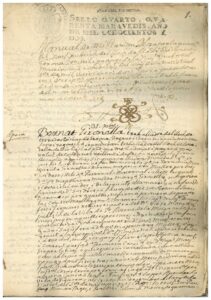
Notarial manual of Ramon Mora Gelabert de Lladó
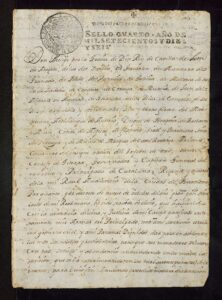
New Plant Decree of the Court of the Principality of Catalonia.
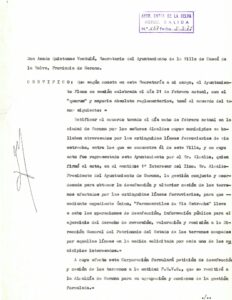
Acquisition of the land of the old carrilet de Girona in Sant Feliu de Guíxols
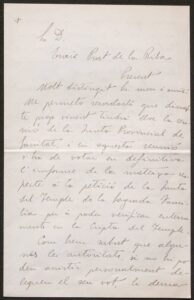
Correspondence from Antoni Gaudí and Cornet to Enric Prat de la Riba (Barcelona. December 29, 1916)
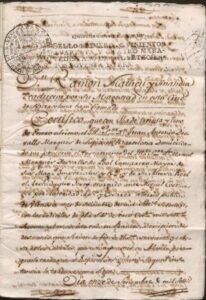
Testament and codicils granted in Vienna by Don Manuel Desvalls y d’Alegre, Marquis Desvalls del Poal in 1760.
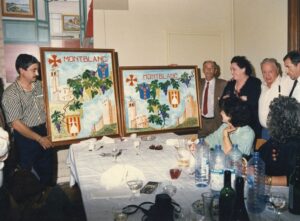
Twinning act of Montblanc (Tarragona) with Montblanc d’Occitània
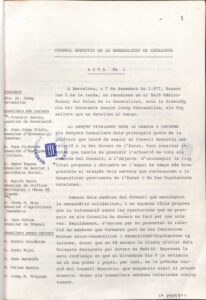
Act number 1 of the Executive Council of the Generalitat of Catalonia (07/12/1977)
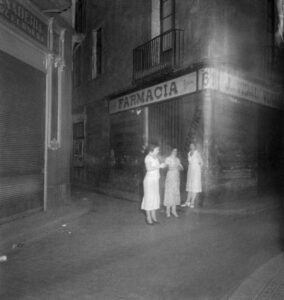
Three women cornering a street in the Raval
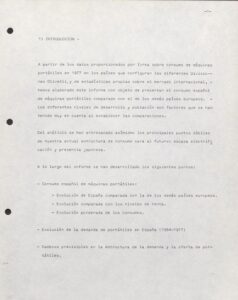
Department of Economic Studies. Report on the consumption of portable machines compared to other European countries (05.01.1979)
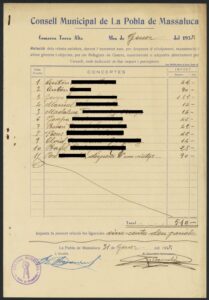
Care for refugees and victims of war
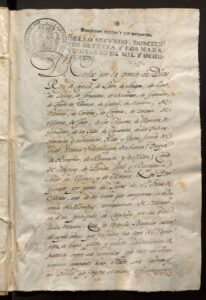
Royal privilege of King Charles IV which recognizes Sant Feliu de Codines as an independent town of the Barony of Montbui
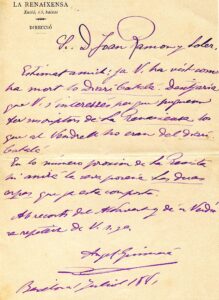
Letter from Àngel Guimerà to Joan Ramon i Soler. Barcelona, July 1, 1881.
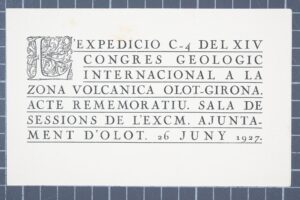
Expedition C-4 of the XIV International Geological Congress in the Olot-Girona volcanic area. Commemorative act.
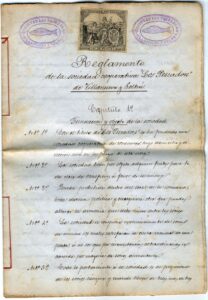
Regulations of the cooperative society “Los Pescadors” of Vilanova i la Geltrú

Catalog of the ceramic factory Industrias Miret, SA (IMSA) of Vendrell, specialty in red-matte tile.
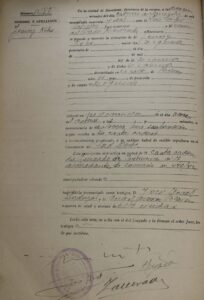
Entry in the Book of Deaths of the Barcelona Civil Registry of the German Jewish refugee Jenny Kehr
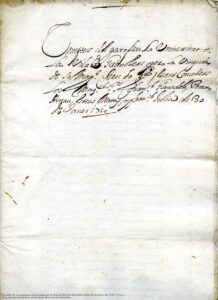
Accounts of the expenses incurred by the arrival of Archduke Charles of Austria to Granollers on January 30, 1710
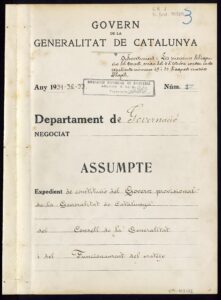
Record of constitution of the provisional Government of the Generalitat, of the Council of the Generalitat and its operation (16/04/1931-20/09/1934)
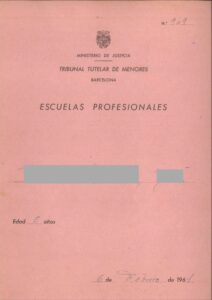
Record of Professional Schools from the year 1961 of the Barcelona Juvenile Court
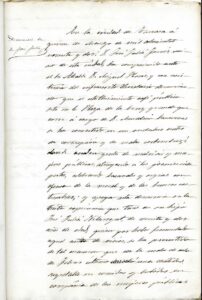
Sanctioning public health file related to the cafe in Plaça de la Creu Gran, run by Marcel·lí Lloveras Cánovas, better known as “the sorcerer”, accused of pimping and selling harmful remedies to his customers.
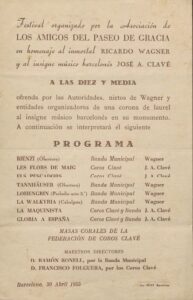
Tribute to Clavé and Wagner (1955)
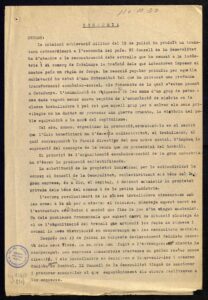
Economic Council of Catalonia. Draft of the Collectivizations Decree, pamphlet entitled “Collectivization and worker control.
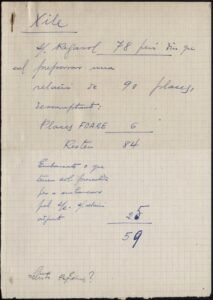
Dossier on the first expedition to Chile, on the ship Winnipeg
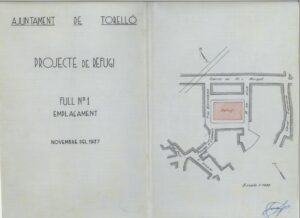
Air shelter project in Plaça Catalunya (currently: Plaça Nova)
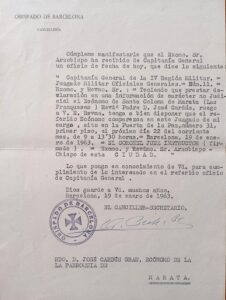
Letter from the Bishopric to Mn. Josep Cardús, priest from Marata (Vallès Oriental) in which he is informed that he must appear before the Military Justice probably for clandestine political activities.
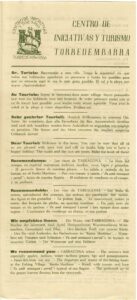
Multilingual tourist brochure
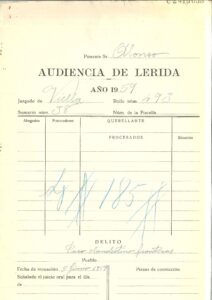
Summary of the Lleida Provincial Court of 1959 for clandestine crossing of borders.
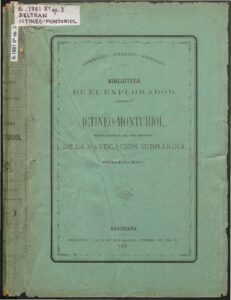
Ictíneo-Monturiol for underwater navigation: historical review of the discovery of underwater navigation
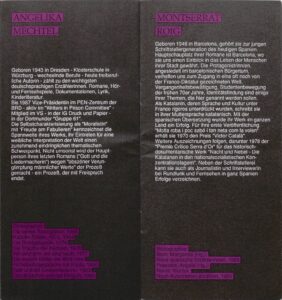
Participation of Montserrat Roig in “Europa liest” (29.10.1988)
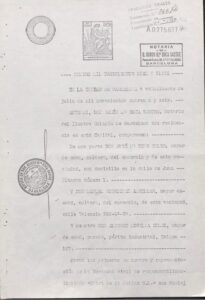
Chalet de la Molina. Deed of award in favor of the Center Excursionista de Catalunya. 29.07.1946
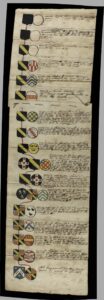
Genealogical tree of the Blondel family (France) until its junction with the Dubús family. XVIII century
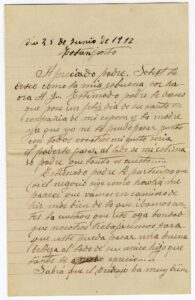
Letter from Leonardo Vidal to his father Pere Vidal Gallart about his work at Estany Gento
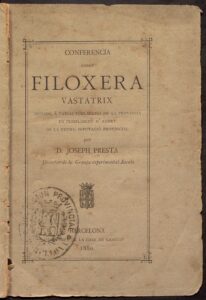
Josep Presta i Corbera, “Conference on phylloxera vastatrix”, 1880. Reserve library and documentation center of the General Archive
![[Japanese title: The right column must be maintained. If you're not careful, you'll be in trouble. "Work with a joyful heart"]](https://catalunyapaisdarxius.cat/wp-content/uploads/2025/10/ANC1-101-N-726_001-thumbnail-222x300.jpg)
[Japanese title: The right column must be maintained. If you’re not careful, you’ll be in trouble. “Work with a joyful heart”]
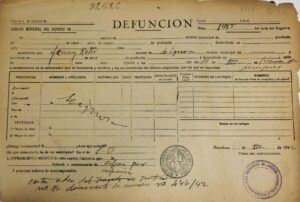
1942 death certificate of German Jewish refugee Jenny Kehr
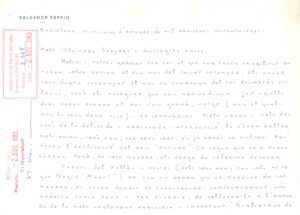
Letter from Salvador Espriu
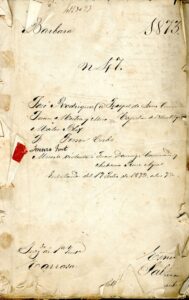
Summary for the violent death of two Carlin prisoners in an alleged attempt to escape in the municipality of Barberà while they were being transferred from Cerdanyola to Sabadell
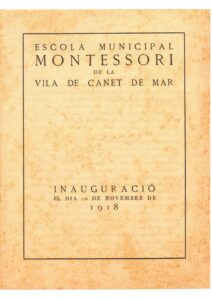
Preliminary project for a local industrial school, submitted to the Commonwealth trade schools competition.
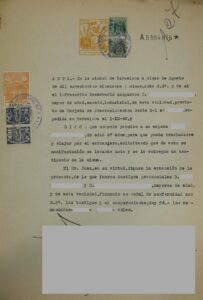
1955 Matrimonial Consent Act
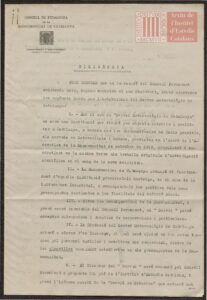
Diligence listing the bases approved by the Council of the Commonwealth by which the Meteorological Service of Catalonia must be governed
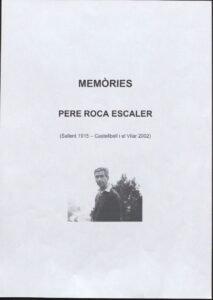
Memoirs of Pere Roca Escaler (1984)
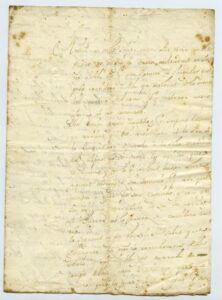
Letter from Ramon de Ferran i Biosca to Pere Anton Veciana, batlle de Valls, on 05/24/1725
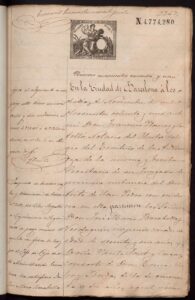
Purchase and sale of the lands of the Sagrada Família
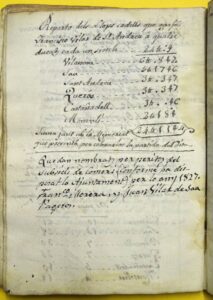
Payment to Francesc Vilar de Sant Andreu de Bancells (Vilanova de Sau), for the death of five wolf cubs
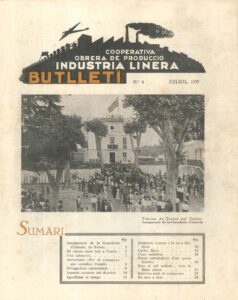
Bulletin of the Line Industry
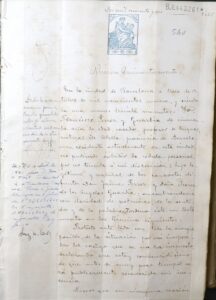
Testament of Francesc Ferrer and Guard
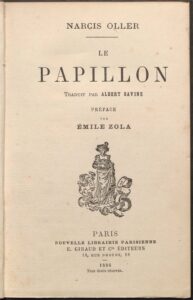
Le Papillon / Narcís Oller; translated by Albert Savine; preface by Emile Zola. Paris: Nouvelle librarire parisienne, E. Giraud et Cie., 1886. 298 p. ; 19 cm.
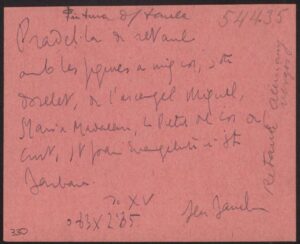
HISTORICAL-ARTISTIC AND SCIENTIFIC HERITAGE SERVICE. Identification cards for pieces of art, nos.: 54101 – 54700: Saint John the Evangelist from the altarpiece of Saint Sebastian and Saint Thecla (1936-1939)
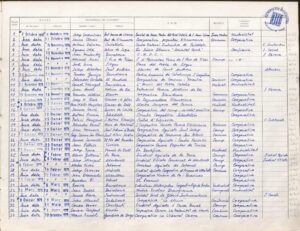
Register book: Inventory of the assets of cooperatives, confraternities and mutuals confiscated between 1939 and 1943 (1978-1979)
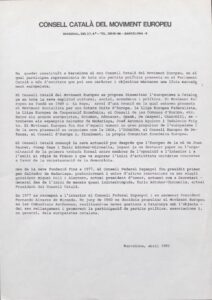
Constitution of the Catalan Council of the European Movement (04.1982)
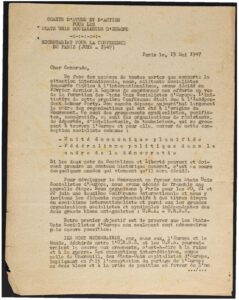
Documentation of the Socialist Movement of the United States of Europe
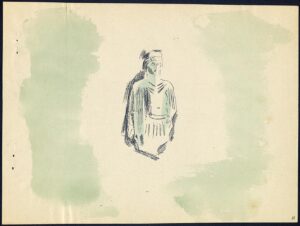
Route notebook 1935. Excursion of the Montclar group to the Costa Brava on June 28 and 29, 1935 (06/01/1935 – 06/30/1935
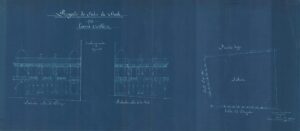
Request for construction permission for a building intended for a Ballroom according to a project by the architect Isidre Bosch
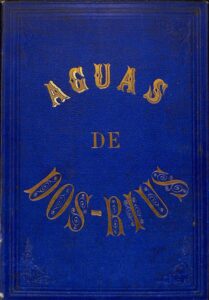
Book “Aguas de Dosrius”
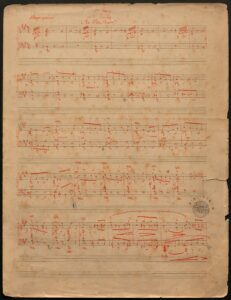
Iberia
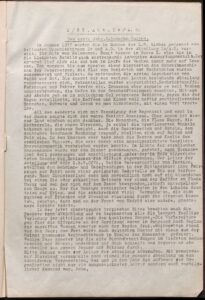
“Ernstes un Heiteres von S/88, Ic/A.O. In Spanien (1937-1939)”: memoirs and anecdotes of the staff of the Condor Legion [1939
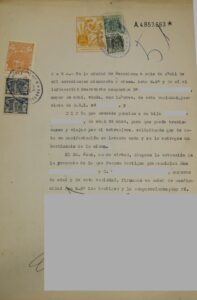
Act of paternal consent of 1955
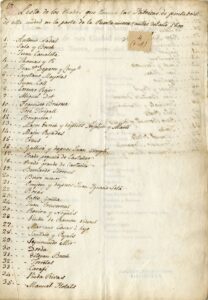
List of the meadows that the painting factories of this city had in the Puerta Nueva part before the year 1800
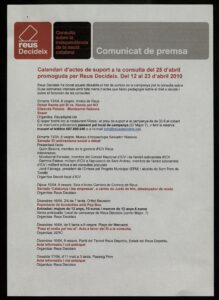
Calendar of events in Reus Decide
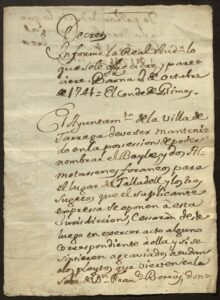
Decree of the Royal Court of Barcelona on the competences of the Tàrrega City Council in appointing the Batlle and two Mostassass for the place of Talladell
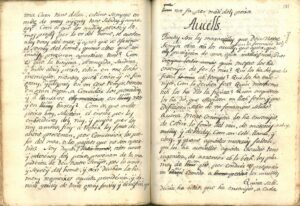
Instructions for teaching minions. I take second. Written by Rnt. Baldiri Rexach, prev. and Rr. of the parish church of Sant Martí de Ollés, Diocese of Gerona
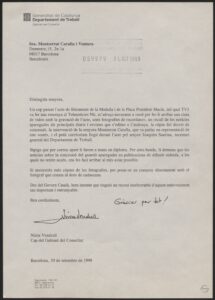
Record of winner of the Medal of President Macià to Montserrat Carulla Ventura (1999)
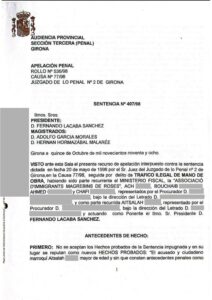
Judgment of a 1998 criminal appeal for the crime of immigrant trafficking.
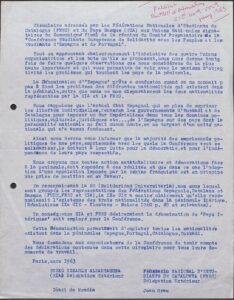
“Circular addressed by the FNEC and the Basque Country (EIA) to the National Unions (…) of the Preparatory Committee of the European Student Conference of Solidarity with … the Students of Spain and Portugal” (March, 1963)
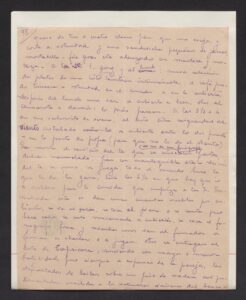
“Travel impressions”. Journal of the trip to the Philippines by Francesc Galera y Cuyàs, commercial of the Compañía General de Tabacos de Filipinas (27.01.1917 – 30.04.1917)
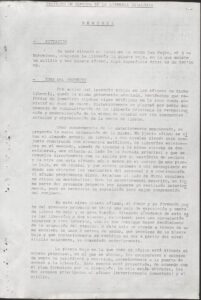
“Reform Project of the Catalan Bookstore in Ronda Sant Pere 3”
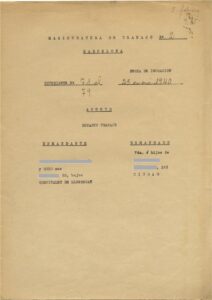
Demand for division of labor by female factory workers to avoid layoffs, 1940
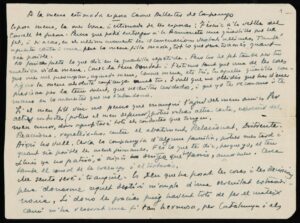
Farewell letter from Lluís Companys i Jover to his wife Carme Ballester, the eve of the War Council (13/10/1940)
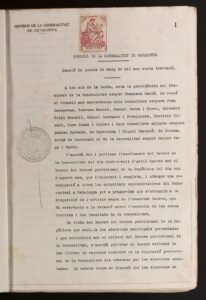
Minutes of the meeting of the Executive Council of the Generalitat of Catalonia on May 15, 1931 (15/05/1931)
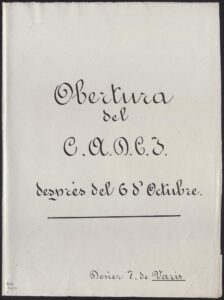
File relating to the reopening of the CADCI (28/02/1936-07/05/1936)
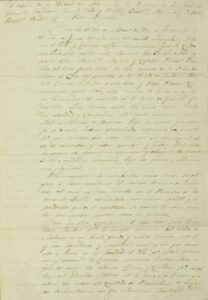
Deed to build a flour boat mill located in the “pas vell” lot.
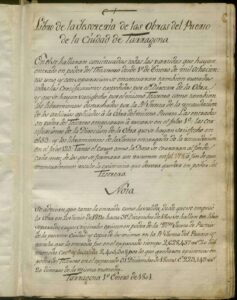
Book of the Treasury of the Works of the Port of the city of Tarragona (1801-1803)
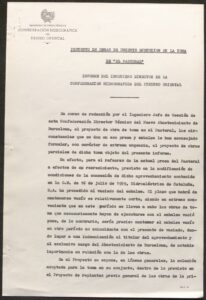
Drinking water supply in the city of Barcelona and towns in its area of influence (10/09/1960)
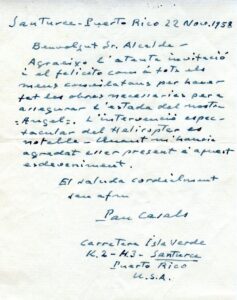
Handwritten letter from Pau Casals, written from San Turce (Puerto Rico), addressed to Jaume Bofill Queraltó, mayor of Vendrell. 11-22-1958.
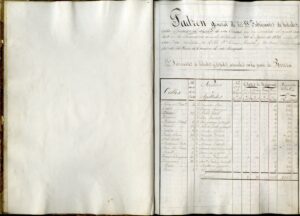
General Register of Yarn Manufacturers.
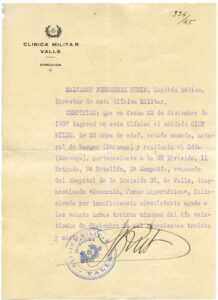
Death certificate of Oluf Milde, a Norwegian brigadier who died at the Valls Military Hospital on 28/12/1937
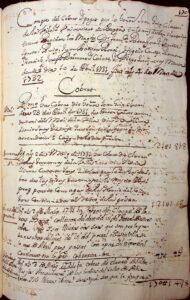
Berga Town Hall keyboard book
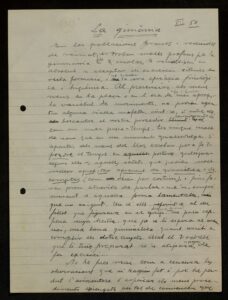
The “Gymnasium”. Chapter of the memory of the professional stay of master Josep Masclans in Vallbona d’Anoia, 1921-1941.
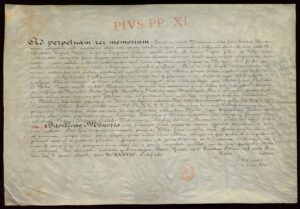
Pontifical bull granting the title of Minor Basilica of the Church of Santa Maria
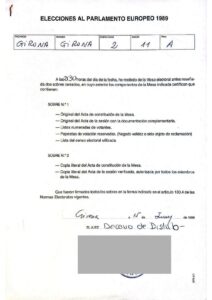
Act of constitution of an Electoral Bureau in the elections to the European Parliament held on June 3, 1989.
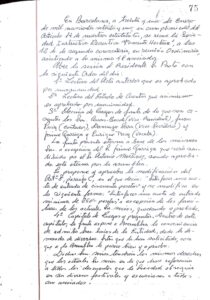
Agreement for the admission of women as partners
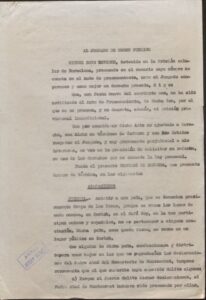
Appeal to request the release of a worker, resident in Switzerland, member of trade union and political groups opposed to the Regime, for having participated in a labor protest in that country.
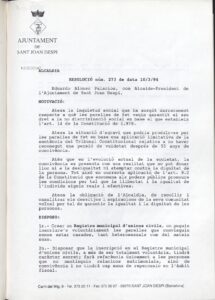
Mayor’s resolution 273 of March 10, 1994 of the Sant Joan Despí City Council
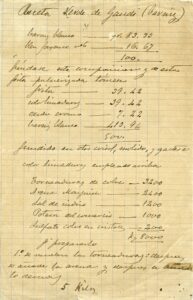
“Verd de Gaudí”: green varnish recipe created at the Pujol i Bausis ceramic factory in Esplugues de Llobregat for material produced for the architect Antoni Gaudí.
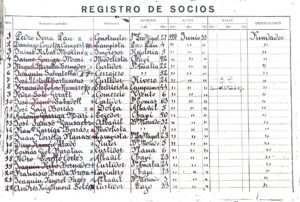
REGISTER OF MEMBERS
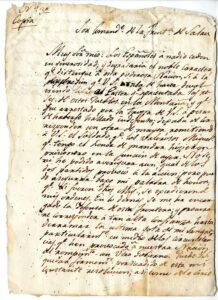
Letter from commander Lladós to his French counterpart in Salau due to the arrest of a pastor from Alòs d’Isil and the attack of the miquelets on French towns
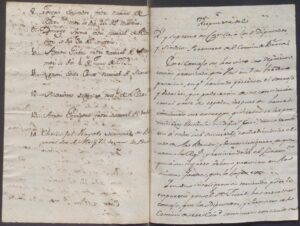
Miscellaneous book entitled “Quintas y levas”, with documentation from the Deputation of Colleges and Guilds of Barcelona on the opposition and resistance to the militias and the consequences.
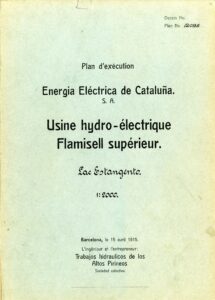
Lower Flammicell Hydroelectric Plant Project. Gento Dam
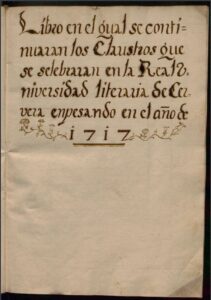
Minute book of the sessions of the Senate of the University of Cervera from 1717 to 1726
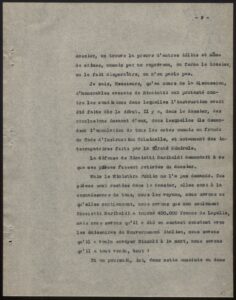
Trial in Paris. judgment Civil Court of the Seine. XII Chamber President: M. Fredin. Affairs: Colonel Francesc Macià and conjures Catalans. Risciotti Garibaldi. Incident related to the disjunction. Serial no. 2. Fascicule no. 1.
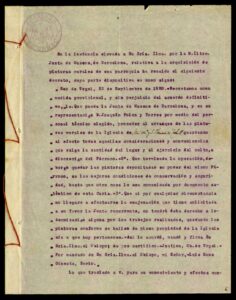
Transfer of the Romanesque wall paintings of Santa Maria and Sant Climent de Taüll and Sant Joan de Boí (01/01/1920-31/12/1920)
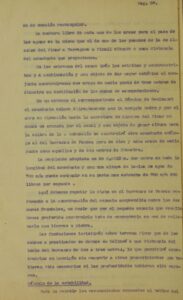
Rec construction project in Móra d’Ebre.
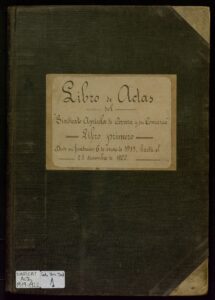
Book of proceedings of the Board of the Agricultural Union of Cervera and its region
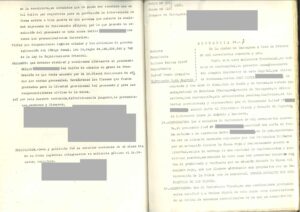
Judgment of the year 1941 on treason between neighbors.
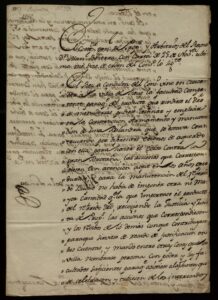
Construction of a sloop
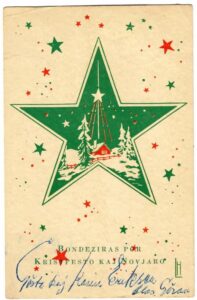
Esperanto postcard sent to Cassà de la Selva from Sweden
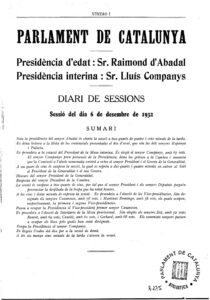
Journal of Sessions, number 1, Plenary of the Parliament
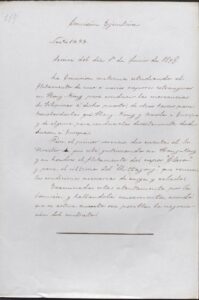
War with the United States of America and Philippine insurrection (1898). Deliberations of the governing bodies of the Company (26.4.1898 – 22.4.1899)
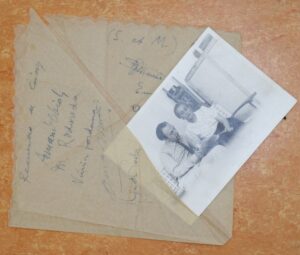
Napkin signed by some of the exiles who were in Roissy-en-Brie: Armand Obiols, Mercè Rodoreda, Núria Jordana, Anna Murià, Agustí Bartra, J. Murià, Enric Cluselles, Amàlia Casals de Cluselles and Mercè Casals
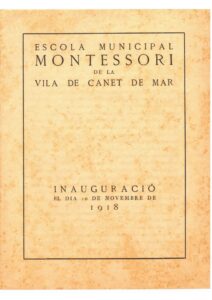
Leaflet on the inauguration of the Canet de Mar Montessori school
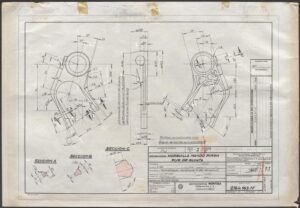
Dimensions 247 and 248. Model: 21M – Dimensions 247 and 248. Group of parts: 64 – Change of speeds. Part No.: 169.
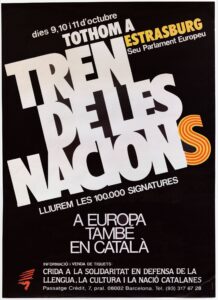
October 9, 10, 11 Everyone in Strasbourg, seat of the European Parliament. Train of the Nations. In Europe also in Catalan. We deliver the 100,000 signatures.
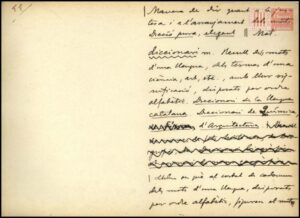
Original sheet handwritten by Pompeu Fabra, from the General Dictionary of the Catalan Language
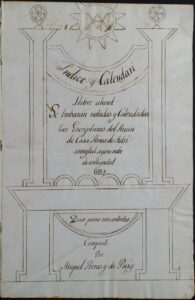
Index and calendar. Book where the writings of the Archive of the Heras de Adri house will be noted and dated, arranged in order of seniority. Composed by Miquel Heras de Puig.
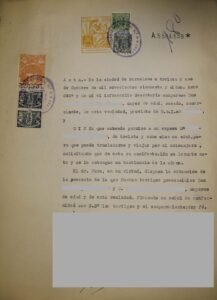
1955 Matrimonial Consent Act
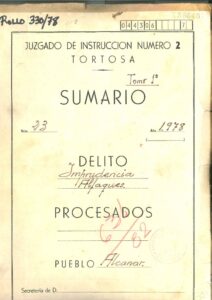
Civil Guard certificate on the 1978 accident at the Alfacs Campsite (Alcanar, Tarragona).
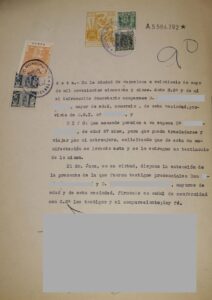
1955 Matrimonial Consent Act
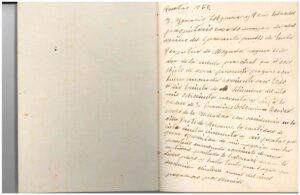
Personal diary of police constable Francesc Colomines from 1889-1893
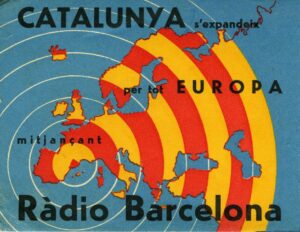
Catalonia expands throughout Europe through Ràdio Barcelona. Ràdio Barcelona brochure that encourages people to advertise on it.
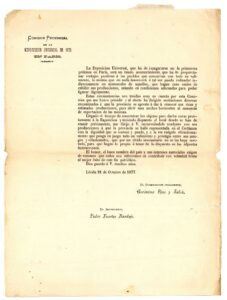
Paris Universal Exhibition
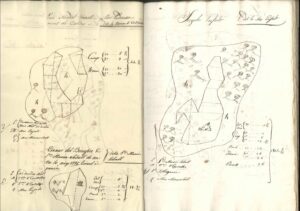
Balenyà register
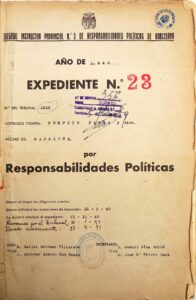
File of Political Responsibilities of Pompeu Fabra Poch. Piece of the Instructor’s Court no. 3 of Barcelona of RRPP number 23/1940
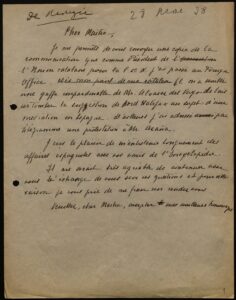
Letter from Marià Rubió and Tudurí to Anatole de Monzie regarding the sending of a report by Rubió as president of the “Union Catalane pour la S.D.N” to the Foreign Office and a European mediation in the Spanish civil war (28.05.1938)
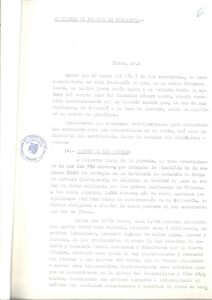
Police report on the accident while being chased by the police, in the midst of post-Francoism. There we find photographs and sketches of the route taken by Gabriel Rodrigo Knafo, along the facade from where he plunged into the void causing his death.
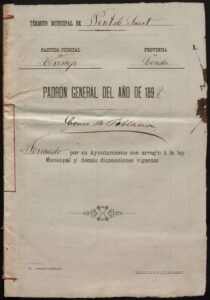
General register of inhabitants
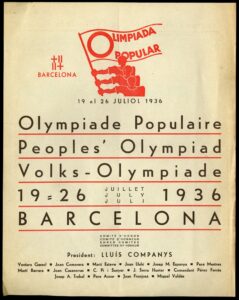
Program of the People’s Olympiad of Barcelona

Interview with Jaume Miravitlles
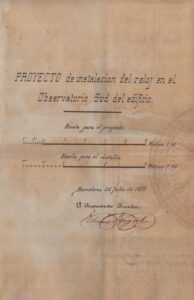
File on the project to install the clock in the Historical Building of the University of Barcelona
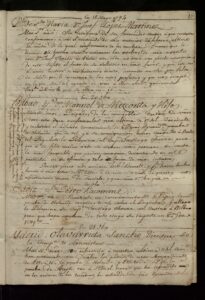
Copier book of correspondence of Jean Lacomme, merchant of wines and spirits
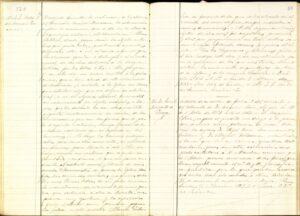
Letter from Bishop Meseguer to the rector of the Seminary of Lleida
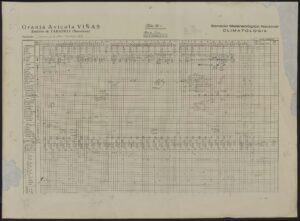
Daily and hourly weather data such as 8am, 2pm, 6pm (pressure, temperature, sky cover, precipitation, meteors, various phenomena, fog, relative humidity, wind speed and direction and phenology).
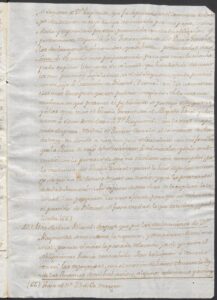
Criminal investigation into the thwarted kidnapping of Raimunda de Puiggener-Orís and Boïl d’Arenós by the Viscount du Blaisel and the maid Geneviève Faraud (1766).
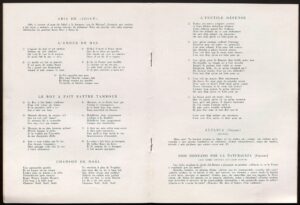
Hand programs of performances of the year 1945
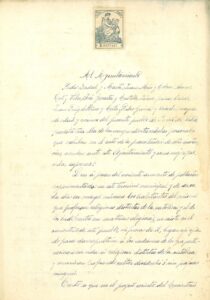
Petition for interfaith cemetery
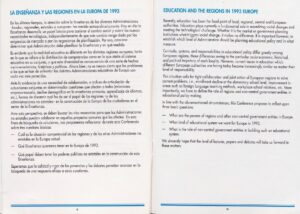
Seminars, conferences and congresses. International Conference “Education and the regions in Europe 1993” (1993)
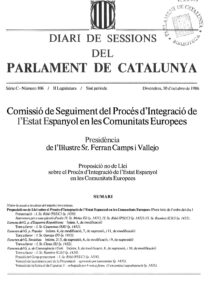
Journal of Sessions number 106, legislature II, of the Monitoring Commission of the Integration Process of the Spanish State in the European Communities
Memoirs of Honorat de Pallejà (1703-1713)
Register of prisoners. Prison book
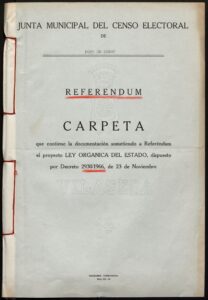
Referendum on the Organic Law of the State
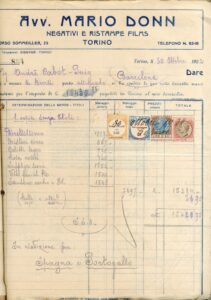
Invoice for copies of Italian films for distribution in Spain and Portugal
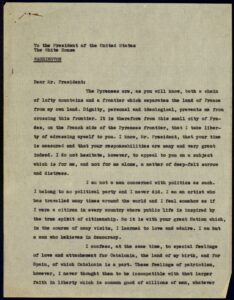
Pau Casals addresses US President Harry S. Truman
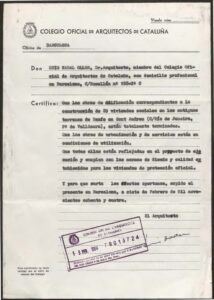
Construction record of 194 social housing units on the former Renfe-Meridiana de Sant Andreu land in Barcelona (1978 -1987)
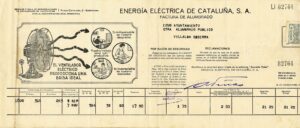
Invoice from the company “Energía eléctrica de Cataluña SA”
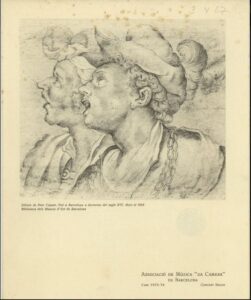
Stravinsky Festival
Josep Picart’s report on the 1948 London Olympic Games
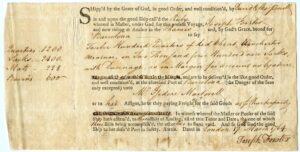
Contract of charter to transport goods from London to Barcelona, on board the ship Ruby, and bill of lading according to which Captain Joseph Forster has paid for the delivery of the cargo of wheat to Isidre Martorell, 17/03/1764-4/06/1764
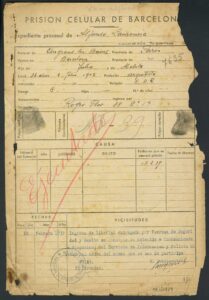
Personal file of Alfonso Laurencic, inmate of the Barcelona Men’s Penitentiary Center (Model Prison) (18/02/1939 – 09/07/1939)
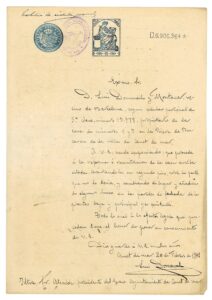
Works license for the reform of the house of Lluís Domènech i Montaner in the Buscarons de Canet stream.
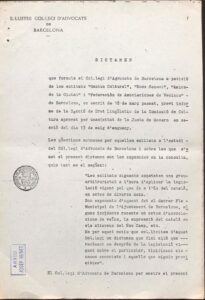
Political activity. Francoism Dossiers on the Catalan language and the attempted cultural genocide
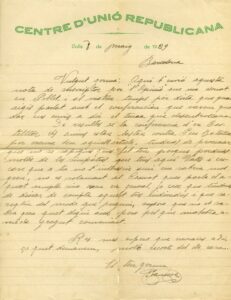
Letter from Francesc Mialet to his brother Pere Mialet, journalist, who lives in Barcelona, on 8/05/1929, where he deals with political conflicts
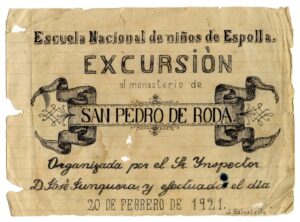
Class diary of the school activity of Espolla
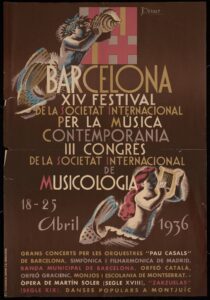
Poster for the XIV Festival of the International Society for Contemporary Music and the III Congress of the International Society of Musicology
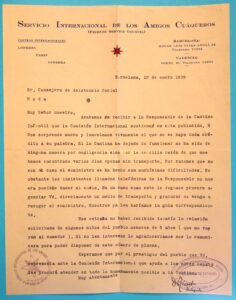
Letter from the Servicio Internacional de los Amigos Cuáqueros addressed to the town hall of Roda de Ter in relation to the “Children’s canteen” that the organization maintained in the town during the Civil War to serve refugees
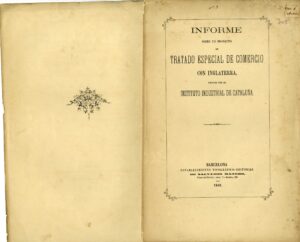
Report on the draft Special Trade Treaty with England issued by the Industrial Institute of Catalonia
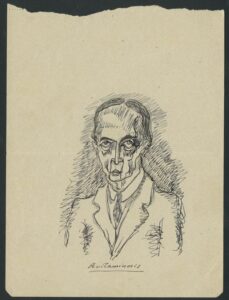
Avitaminosis
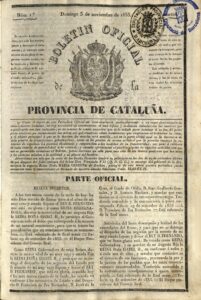
Official Bulletin of the Province of Catalonia, no. November 1, 3, 1833. Background: Diputació de Barcelona.
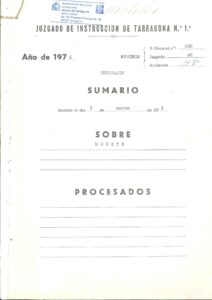
Summary File 40/1976 on the death of the worker Juan Gabriel Rodrigo Knafo in Tarragona. Worker in the construction of the refinery in Tarragona, the reason for the protests was the massacre of workers in Vitoria on March 3, 1976. (various documents).
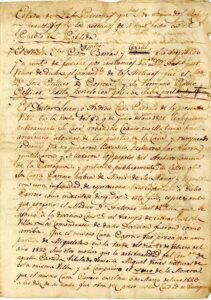
List of the people of Poboleda retaliated by the liberal militiamen
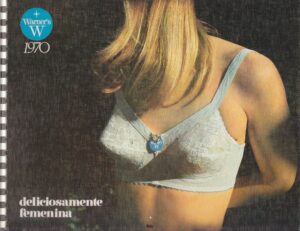
Catalog of cutlery products, manufactured in Igualada, with American concession
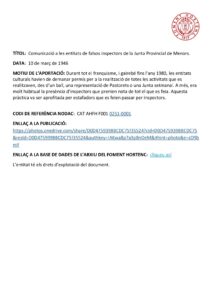
Communication to the entities of false inspectors of the Provincial Juvenile Board.
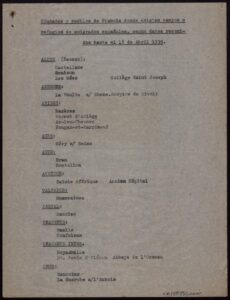
List of cities and towns in France that have camps or hostels for Spanish refugees (1939)
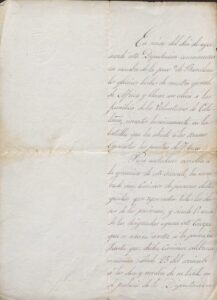
Letter from the Provincial Council of Barcelona inviting J. A. Clavé to a commemoration event in memory of the victims of the war in Africa. 24.02.1860
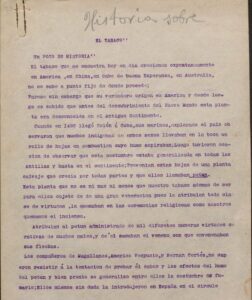
Flake tobacco Production in Europe and the Philippine treasury (2.3.1918 – 17.9.1956)
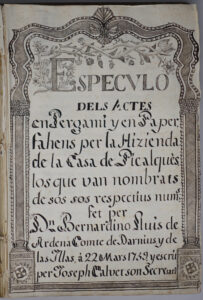
Speculum of the Wardrobe of Picalqués.
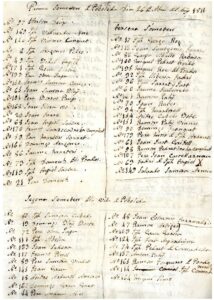
List of those participating in the submission by order of April 23, 1811
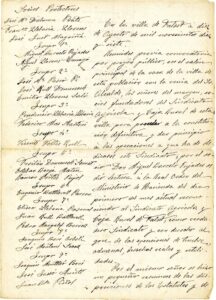
Founding act of the Agricultural Union and Caixa Rural de Falset
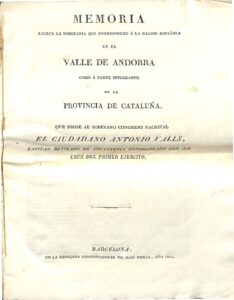
Memo about the sovereignty that corresponds to the Spanish Nation in the Andorra Valley as an integral part of the Province of Catalonia
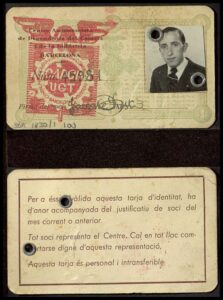
Membership cards of the Autonomous Trade and Industry Dependent Center (CADCI) of Barcelona (1936)
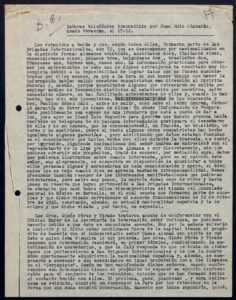
Report by Juan Ruiz Olazarán on the problems arising in the disembarkation of 52 members of the International Brigades from the ship “Serpa Pinto” (17.12.1941)
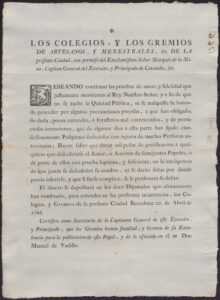
Notice from the Marquis de la Mina on the dissemination of seditious pamphlets, rewarding whoever gives information. 1766
!["Rebel Without a Pause. The memoirs of Bob Doyle" (autobiographical writing of the Irish Brigadier Bob Doyle). [1990 - 2002]](https://catalunyapaisdarxius.cat/wp-content/uploads/2025/10/ANC1-791-T-9_001-thumbnail-214x300.jpg)
“Rebel Without a Pause. The memoirs of Bob Doyle” (autobiographical writing of the Irish Brigadier Bob Doyle). [1990 – 2002]
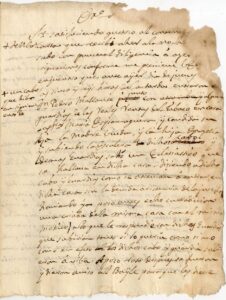
Memorial of the Batlle de la Bisbal on abuses by guards of the tobacco income in the Bisbal (female victims)
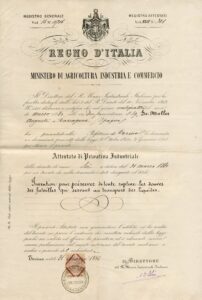
Patent in Italy for a system invented by August de Muller to prevent wine transport barrels from breaking.
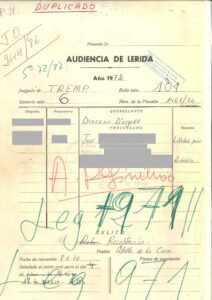
Summary (fragments) of the Lleida Provincial Court of 1945 for the theft of the altarpiece of Abella de la Conca (Pallars Jussà).
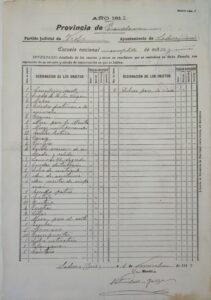
Material budget for the school in Saderra in Orís
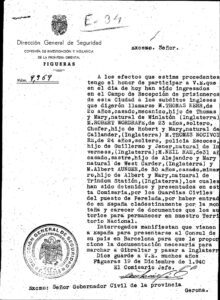
Border file of: Aunger, Albert; Lean, Josen; Lons, Mazcalle; Kerr, M. Thomas; Nocivoire, Thomas; Rae, Neil; Richmanch, John; Sterrat, Sffrey; Tohmas Miller, Laurence; Wordrape, Robert
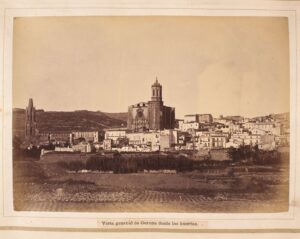
Album Bellesas de Gerona
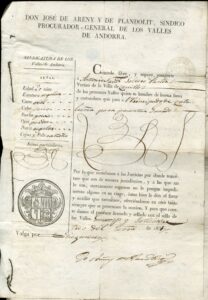
Passport issued by the Síndic Procurador de les Valls d’Andorra to a farmer to go to the Principality of Catalonia to fish his flock in 1831
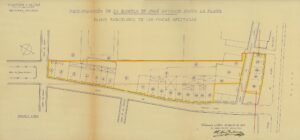
Extension of the Rambla de la Pau to the Beach
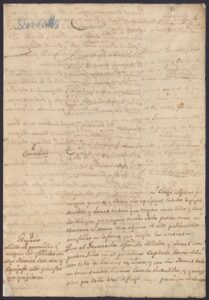
Capitulation of Cardona Castle signed by Colonel Manuel Desvalls and Vergós and the Count of Montemar (18.09.1714)
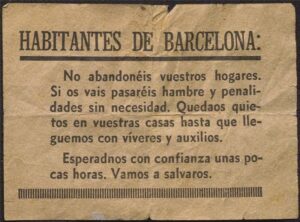
Leaflet launched over Barcelona on the eve of the Francoist occupation on January 26, 1939, urging Barcelona residents not to leave the city or their homes (01.1939)
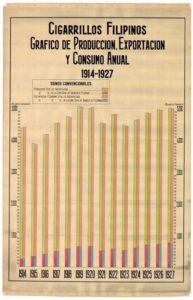
Filipino cigarettes. Annual production, export and consumption chart (1914-1927)
Score written by Antonio Paños dedicated to the Spanish children of the USSR, “Hijos de España” (дети España). In: Correspondence of Dolores Ibárruri with Spanish children and youth in Russia (1940)
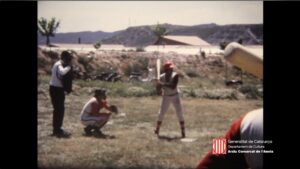
History of baseball in Igualada
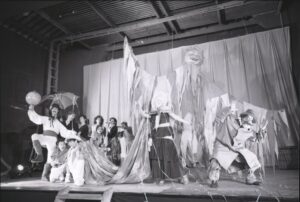
Photograph of the promotional report of the Comedians’ “Sol Solet” show on the stage of the Odèon Theater in Canet
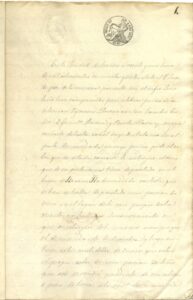
Acts of conciliation
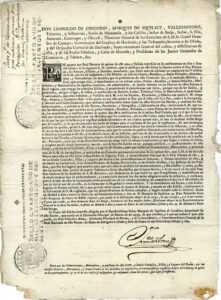
Royal Decree of 1762
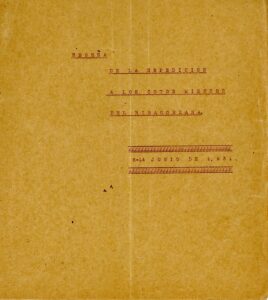
Review of the expedition to the Ribagorçana mining bans
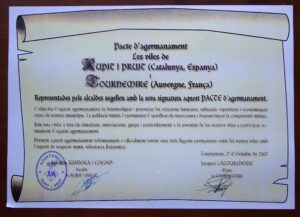
Diploma of the twinning agreement between the municipality of Rupit i Pruit (Osona, Catalonia) and the municipality of Tournemire (Auvergne, France)
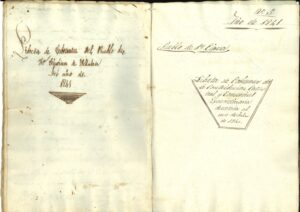
Tax collection booklet
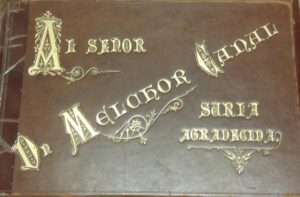
Súria grateful to Mr. Melchor Canal
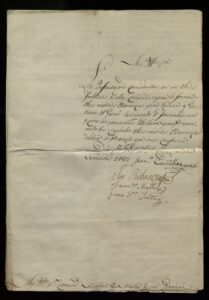
Ordinances of the Guild of Marejants of Tarragona
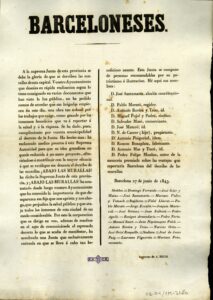
Barcelona City Council ban on the start of the demolition of the walls
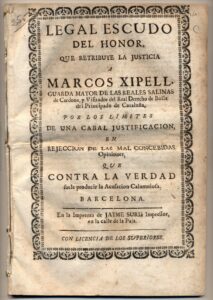
Process related to the person of Marc Xipell, chief guard of the Salinas de Cardona, and to “the copious gangs of armed, scheming people, who, without respect for the troops and the ministers of security, entered at night to steal considerable portions of salt from the Salinas de Cardona”.
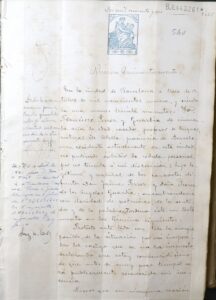
Power of attorney given by the poet Jacint Verdaguer i Santaló to various people so that they can manage his assets and the rights of his literary works.
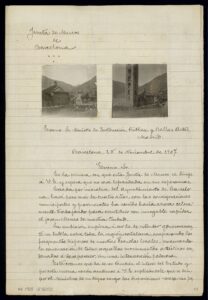
Report sent by Josep Puig i Cadafalch, president of the Board of Museums to the Minister of Public Instruction and Fine Arts requesting the declaration of the church of Sant Climent de Taüll (1907) as a national historical monument
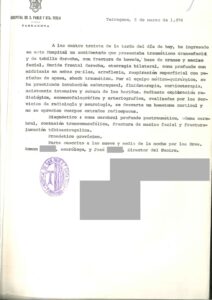
Hospital admission report for 19-year-old Gabriel Rodrigo Knafo, who died during the protests in Tarragona on March 6, 1976.
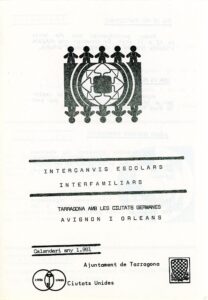
School exchanges between families. Tarragona with sister cities Avignon and Orleans
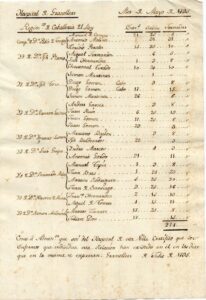
Account of the stays of soldiers from various regiments at the Granollers Hospital, war of the Convention between Spain and France, 1793-1795.
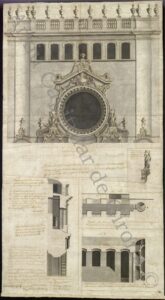
Finishing project for the baroque facade of Girona Cathedral, by Pere Costa
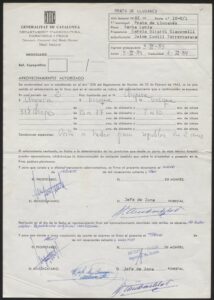
Record of forest utilization in private hills – Prats de Lluçanès (1983)
![World Organization of the Scout Movement (WMO). European Regional Office. Constitution of the European Regional Scout Organization and Additional Rules of Procedure [1990 - 1995]](https://catalunyapaisdarxius.cat/wp-content/uploads/2025/10/0872-ANC1-609-T-960_001-thumbnail-216x300.jpg)
World Organization of the Scout Movement (WMO). European Regional Office. Constitution of the European Regional Scout Organization and Additional Rules of Procedure [1990 – 1995]
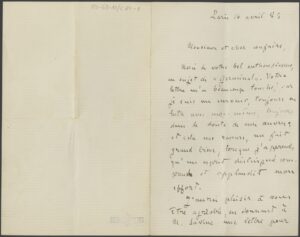
Letter from Émile Zola to Narcís Oller
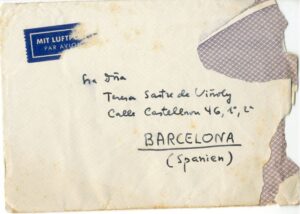
Letter from the poet Joan Vinyoli to his wife, Teresa Sastre, from Germany, where he was on the occasion of the Frankfurt Book Fair
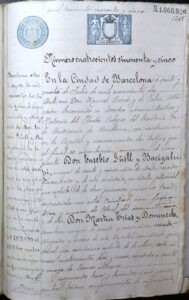
Deed of purchase of some plots in what is now Parc Güell with a plan signed by the architect Antoni Gaudí i Cornet.
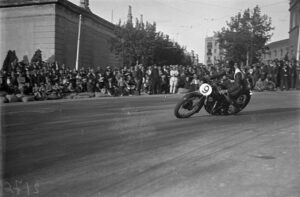
Pilot contesting the II Barcelona Grand Prix of motorcycling at the Montjuïc circuit. 22/04/1934
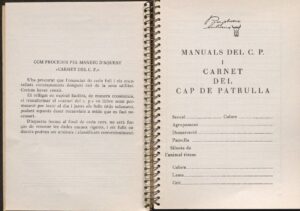
Patrol leader’s card. 1962
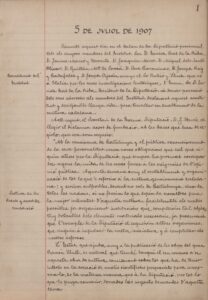
Manuscript minutes of the first meeting of the Catalan Studies Institute
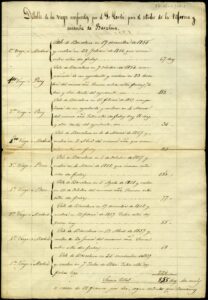
Details of the trips verified by Mr. Cerdá for the study of the reform and expansion of Barcelona
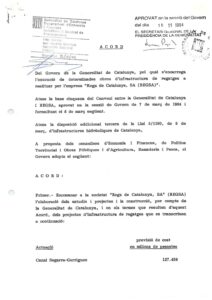
Government Agreement 11/16/1994. Writing commission for the Segarra-Garrigues project
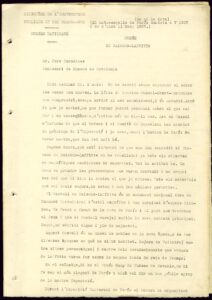
SECTION OF MUSEUMS. Historical-Artistic and Scientific Heritage Service. Record of the transfer of the Catalan Medieval Art Exhibition from the “Jeu de Paume” Museum in Paris to the Castle of Maisons-Laffite
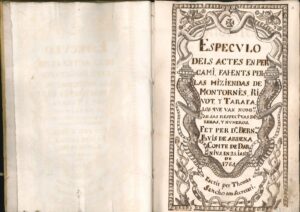
SPECULO OF 1764 OF THE MONTORNÉS LINEAGE
![Agreement of the minutes of the Plenary meeting of the Esquirol town hall of March 10, 1998 approving the project "Impulso al desarrollo urbano in the municipality of San Juan de Limay [Nicaragua]" and allocating own resources](https://catalunyapaisdarxius.cat/wp-content/uploads/2025/10/CAT-Xarxa-dArxius-Municipals-XAM_-Arxiu-Municipal-de-lEsquirol-610_001-thumbnail-194x300.jpg)
Agreement of the minutes of the Plenary meeting of the Esquirol town hall of March 10, 1998 approving the project “Impulso al desarrollo urbano in the municipality of San Juan de Limay [Nicaragua]” and allocating own resources
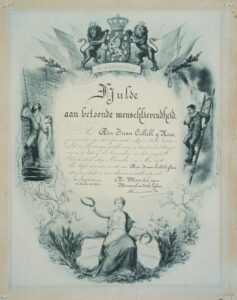
Diploma awarding the silver medal for the rescue of the crew of the Dutch ship Cornelia made by Joan Cullell Roca, captain of the ship Martí Codolar
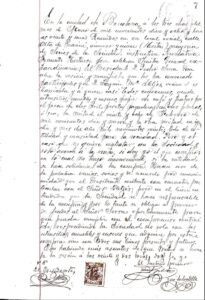
GENERAL ASSEMBLY OF THE FOMENT HORTENC: Minutes book
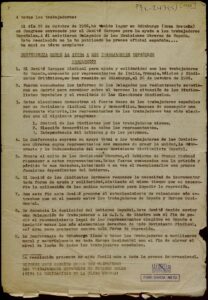
Meetings and European trade union contacts with the delegates of Spanish Workers’ Commissions, in the clandestine stage.
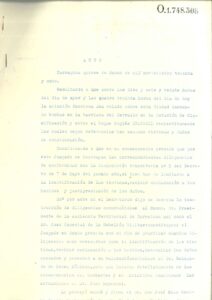
Reason for opening the case for the bombings that occurred in Tarragona on March 14 and 15, 1938. Spanish Civil War 1937-1939.
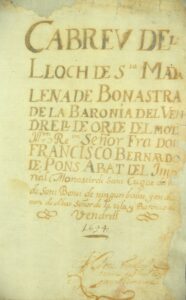
Capbrevation book of the place of Bonastre, bishopric of Barcelona, made in 1694
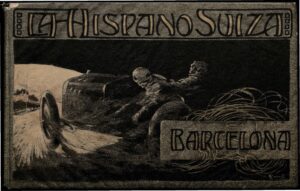
Advertising catalog of the Hispano-Suiza factory
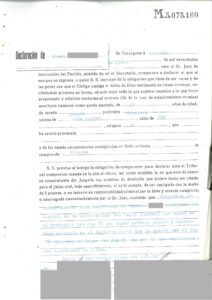
Declaration correcting the date of death of the Danish captain of the Non-Intervention Committee to record the correct date in the Civil Registry.
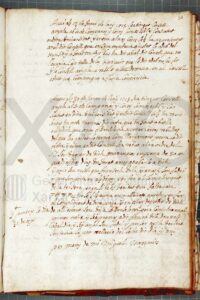
Call for submission to Osor at the request of the Marquis del Poal in the context of the War of Succession
specular book
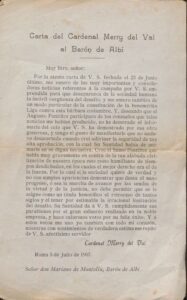
Documentation of Marià de Montoliu and Rocabruna regarding the Anti-Duel League. (21.11.1900 – 15.05.1915)
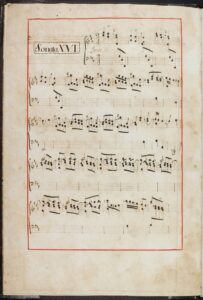
Sonata, for harpsichord / by Mr. Dn. Domenico Scarlatti, &.
License given by the bishop of Vic to Antoni Magnial, priest and rector of the parish of Montagut, bishopric of Albi, to say mass and to confess to clergy emigrants from France
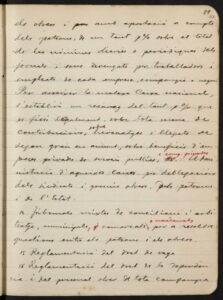
Draft Constitution of the Catalan Republic (1928)
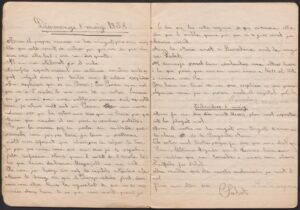
Diary of Conxita Simarro (1) (31.03.1938 – 15.10.1941)
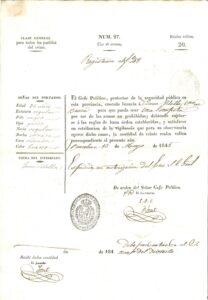
Arms license granted to Joan Vilella, from Brocà, by the military authorities with indication of the person’s badge
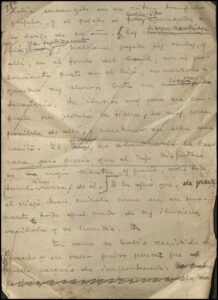
Complete manuscript of the work Terres de l’Ebre
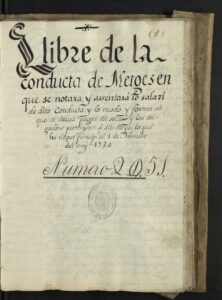
Cover of the “Book of the Conduct of Doctors”, from the 18th century. Various information comes out about the salaries and obligations of the doctors in the city of Solsona.
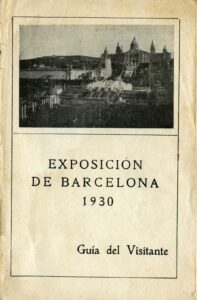
Barcelona Exhibition 1930 Visitor’s Guide
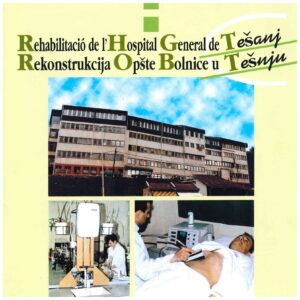
Booklet edited on the evolution of the rehabilitation of the Tesanj general hospital in Bosnia Herzegovina. In Bosnian and Catalan
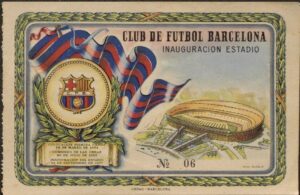
Invitation number 06 to the opening ceremony of the Barcelona Football Club Stadium (24/9/1957)
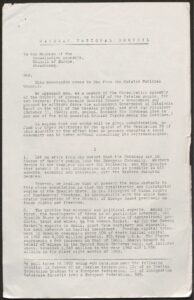
Catalan National Council. Memorandum addressed to the European Council on human rights and national genocide in Spain (1964).
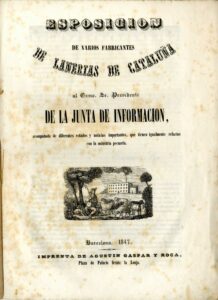
Exhibition of several manufacturers of Lanerías from Barcelona at the excomo. Mr. President of the Information Board accompanied by different states and important news that are also related to the livestock industry
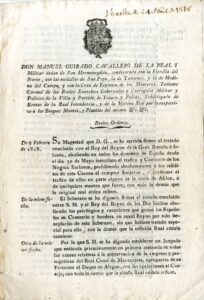
Official speech by Manuel Guirado, corregidor of Talarn, on the agreement with the United Kingdom of Great Britain for the prohibition of the slave trade and other regulations
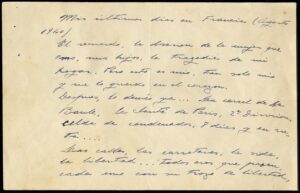
Last letter attributed to President Companys, before being handed over to the Francoist authorities (August 1940)
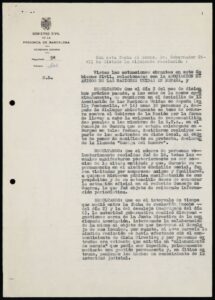
Resolution of the Civil Governor of the Province of Barcelona to close the premises of the ANUE for three months due to the illicit meeting of 16 intellectuals against the Burgos process (10.02.1971)
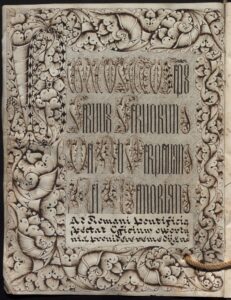
Original bull and transsumpt of the union made by the priory of Sant Genís de Bellera to the monastery of Lavaix by Pope Benedict XIV
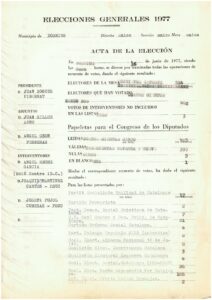
Minutes of the results obtained in Dosrius in the General Elections of 1977
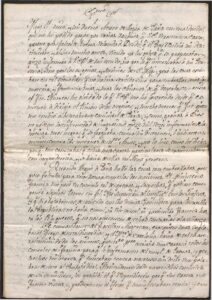
Report of the Spanish ambassador in Paris José Nicolás de Azara y Perera, 1st Marquis of Nibbiano, where he testifies to the coup d’état of 18 Brumaire (9 November), executed by Napoleon Bonaparte (26.11.1799)
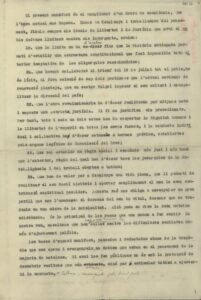
Manifesto of Catalan intellectuals on the occasion of the Events of May 1937
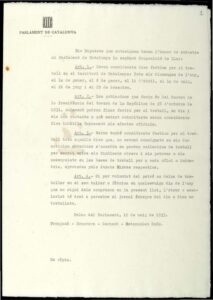
Proposition of law that stipulates public holidays for work
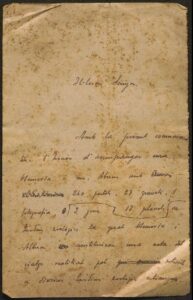
Report presented to Barcelona City Council as a result of a trip made as a pensioner to the main Zoological Parks in Europe (January 1921).
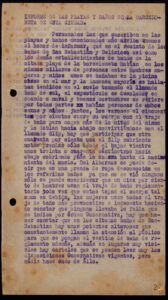
File of information on the beaches and baths of Barceloneta (Lligall number 1. File number 92) (14/08/1944)
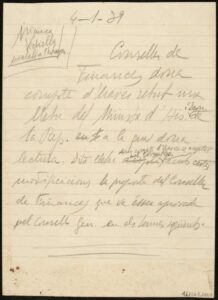
Minutes of the session of the Executive Council of the Generalitat of Catalonia on January 4, 1939 (handwritten draft). (04/01/1939)
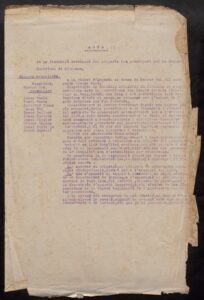
Minutes book of the Plenary meeting of the local corporation
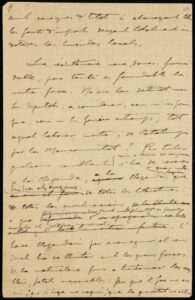
Constitution Speech by Enric Prat de la Riba at the act of taking possession of the presidency of the Commonwealth.
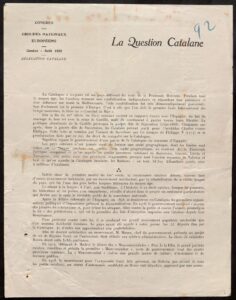
“The Catalan Question. Congrès de groupes nationaux européens. Catalan Délégation” (08.1926).
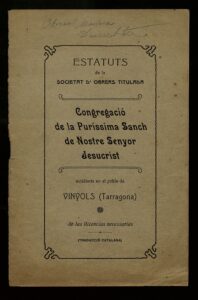
Regulation of the Most Pure Blood of Our Lord Jesus Christ
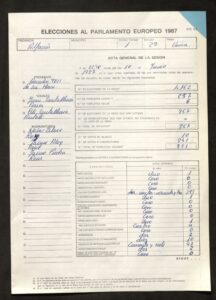
Record of elections to the European Parliament. Municipality of Alfarràs
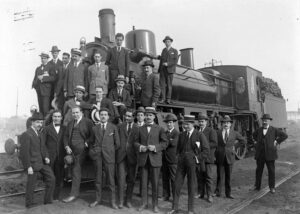
Group of people surrounding a locomotive at Estación del Nord, in Barcelona
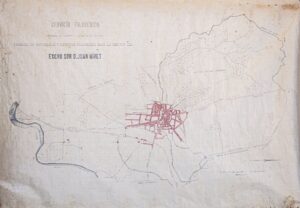
Filoxérico service. Exploration and extinction work carried out under the direction of the late brother D. Juan Miret
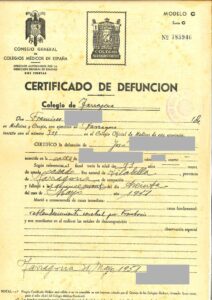
Death certificate from the year 1951 with built-in radio obituary
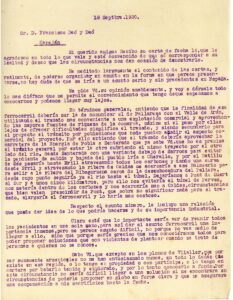
Letter to Francisco Deó and Deó for the construction of the railway
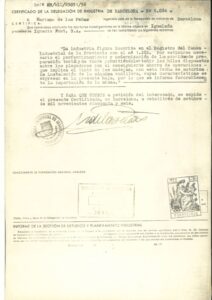
Petition of a textile company from Igualada to the Ministerio de Industria to import machinery that could not be bought in Spain
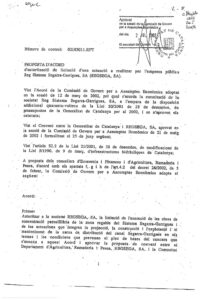
Government Agreement 07/02/2002 to authorize REGSEGA to carry out parcel concentration works in the Segarra-Garrigues irrigated area
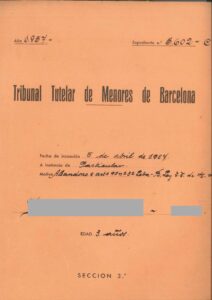
File of abandonment of a minor from the year 1957 of the Barcelona Juvenile Court
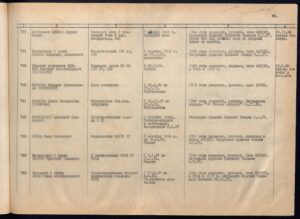
Committee of Veterans of the Spanish War in the USSR. Record book of Soviet military and volunteers sent to Spain (1967)
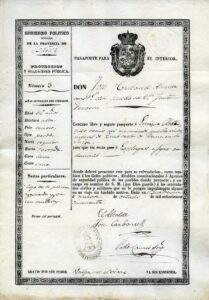
Salconduit of Enric Helbaquer, Swiss citizen and resident of Sant Just Desvern, necessary to go live in Esplugues de Llobregat, 1850
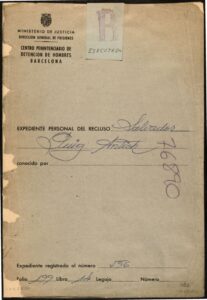
Personal file of Salvador Puig i Antich, inmate of the Barcelona Men’s Penitentiary Center (Model Prison) (2/10/1973 – 2/3/1974)
![Manuscript documentation relating to the Catalan National Council [01.01.1950 - 31.12.1960]](https://catalunyapaisdarxius.cat/wp-content/uploads/2025/10/0901-ANC1-876-T-58_001-thumbnail-218x300.jpg)
Manuscript documentation relating to the Catalan National Council [01.01.1950 – 31.12.1960]
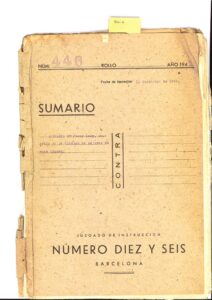
Summary from 1942 of the German Jewish refugee Jenny Kehr, following her suicide in the Women’s Prison in Barcelona.
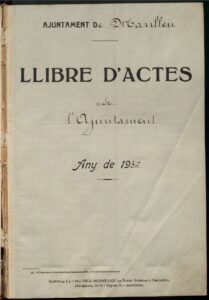
Minutes of the Municipal Assembly
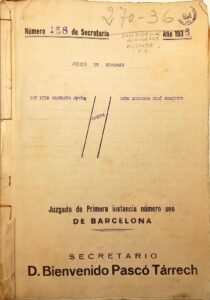
Divorce file of Lluís Companys Jover and Mercè Micó Busquets number 270/1936
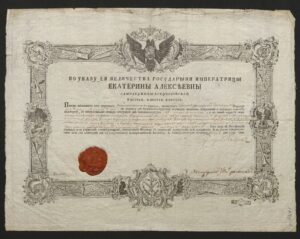
Health patent of St. Petersburg
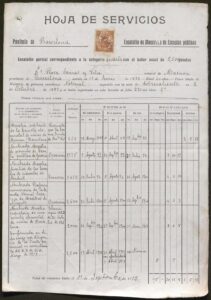
Teacher file: Rosa Sensat Vila (1891 – 1943)
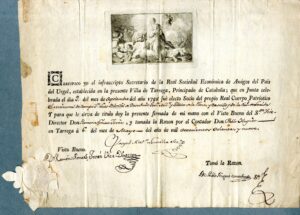
Membership certificate of Lluís Blondel
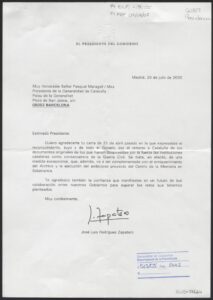
Letters of thanks and recognition for the return to Catalonia of the documentation from the General Archive of the Civil War “Salamanca Papers” between President Maragall and President Rodríguez Zapatero
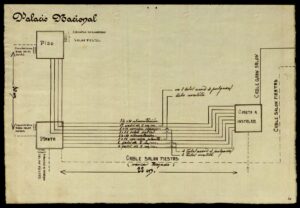
Installation file of the National Museum of Catalonia in the National Palace (1933)
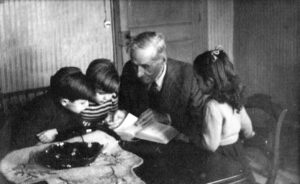
Inside: Councilor of Barcelona City Council. sports (24.08.1948)
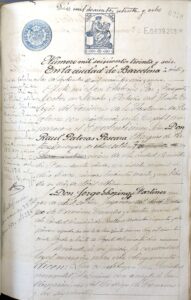
Articles of incorporation of the commercial company Helicopteración Pescara Sociedad Anónima.
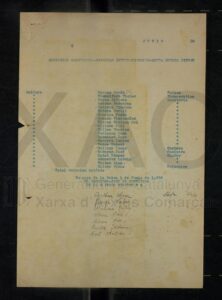
Review sheets of patients admitted to the Military Clinic 5 of International Brigades
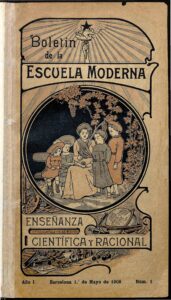
Bulletin of the Modern School: scientific and rational teaching
Inventory of the real estate of the Catalan Education Protection Association (30.03.1937)

Autobiography of Moisès Broggi Vallès
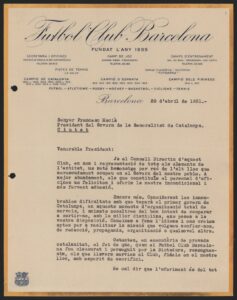
Letter received by president Macià from Futbol Club Barcelona, from its president, G. Rosés i Arús.
IV International Competition for the best amateur film and I Congress of amateur filmmakers (1935)
Management of the legalization of the Gay Liberation Front of Catalonia. 1979 – 1980
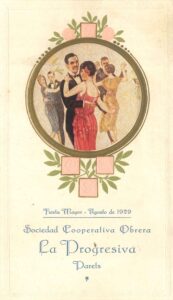
Invitation to the big party
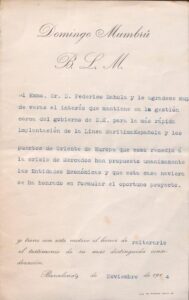
Measures in relation to the implementation of the “Spanish Maritime Line”, fast and regular, between the port of Barcelona and the ports of Eastern Europe (06.11.1914)
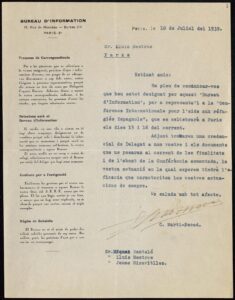
Dossier on the International Conference to Aid Spanish Refugees prepared by the Information Bureau (1939)
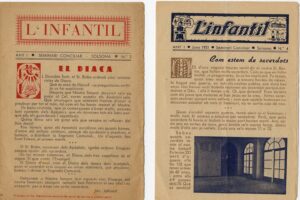
L’Infantil magazine
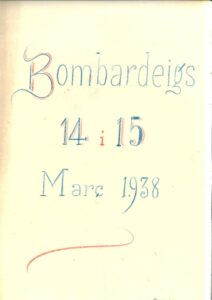
Preliminary proceedings on the bombings in the city of Tarragona on March 14 and 15, 1938.
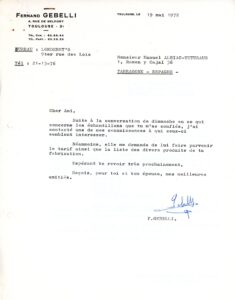
correspondence
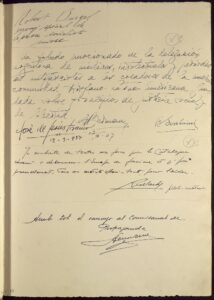
Golden Book of the Commissariat of Propaganda of the Generalitat de Catalunya
![Kurdish and Arab-Israeli conflict. [1988 - 03.1991]](https://catalunyapaisdarxius.cat/wp-content/uploads/2025/10/0902-ANC1-1138-T-65_001-thumbnail-scaled-1-215x300.jpg)
Kurdish and Arab-Israeli conflict. [1988 – 03.1991]
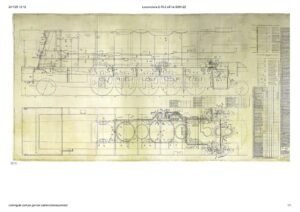
Locomotive 2-10-2 series 5001-22
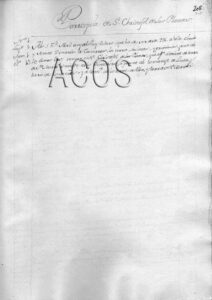
Compilation of acts pertaining to the income of the monastery of Sant Pere de Casserres
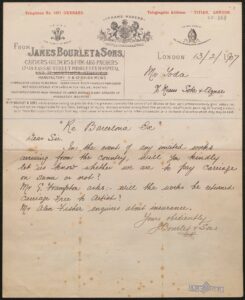
Correspondence of Eduard Toda with various correspondents for the V International Art Exhibition
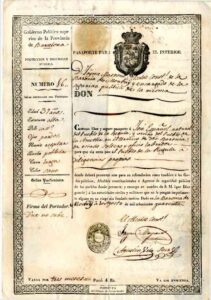
Passport for the interior (salconduit) in favor of a resident of Ametlla del Vallès to go and return to the town of La Règola (Lleida) at the end of the first Carlist war.
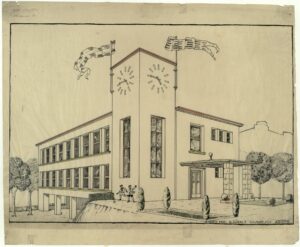
Ignasi Iglésias School construction project
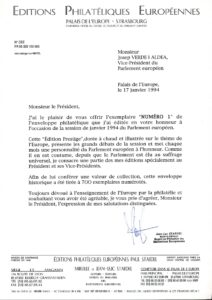
Letter from the company “Editions Philatéliques Européenes” presenting the special edition of an envelope dedicated to the Vice-presidency of Josep Verde in the European Parliament
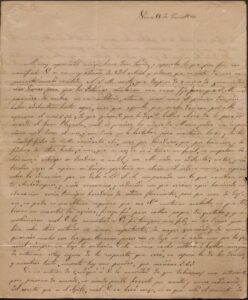
Correspondence between Antonio de Saavedra i Jofré, count of Alcúdia, and Joan de Rocabertí-Dameto: letter referring to the negotiations to obtain financing from the European powers (Vienna. June 11, 1840)
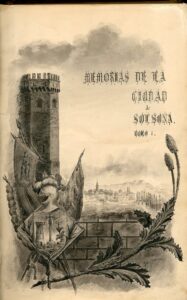
Cover of “Memories of the City of Solsona” by Domènec Costa and Bafarull.
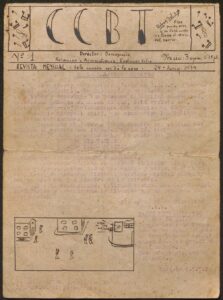
CCBT Magazine (Centro de Concentration Batallón de Trabajadores), Number 1 (24.06.1939)
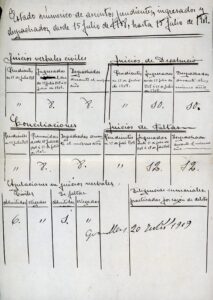
Record of the trials of the Granollers Court between 1908 and 1909.
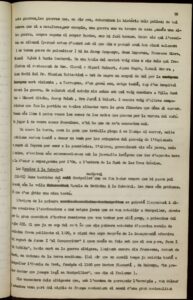
Typescript of the Exiled, by the writer Artur Bladé i Desumvila
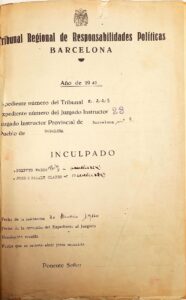
File of Political Responsibilities of Pompeu Fabra Poch. Piece of the Regional Court of RRPP of Barcelona number 2223/1940
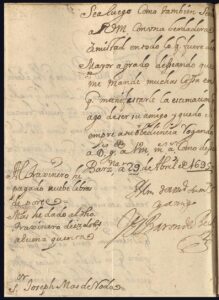
“Papers of don Joseph and don Miguel Mas and of Regàs, father and son, colonels both of Spanish infantry for his majesty”. 1695-1711.
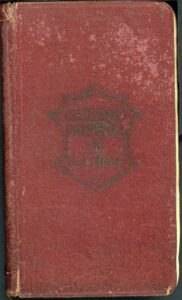
Diary Josep Buján Duran
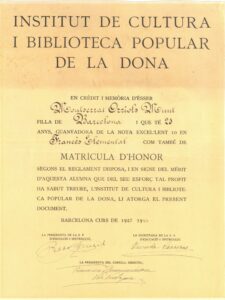
Diploma of the Institute of Culture and Popular Women’s Library Awarded to Montserrat Orriols Munt for the subject Elementary French. Signed by Rosa Sensat and Francesca Bonnemaison.
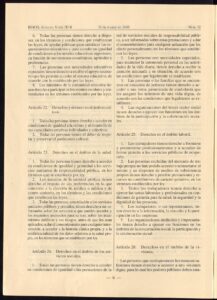
Statute of Autonomy of Catalonia. Year 2006
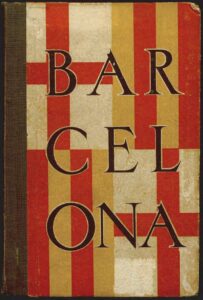
Barcelona: guide to the city and the exhibition
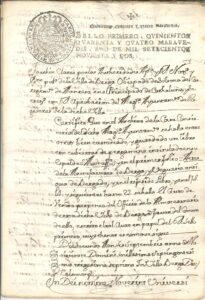
Copy of the deed of perpetual sale of the mostaçaferia office of the town of Berga in favor of the municipality and university of the town

Ledger of the New Company of Gibraltar. 01.07.1709 – 20.05.1723
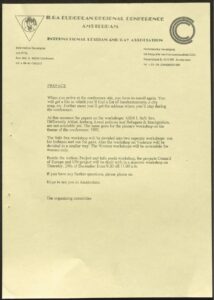
Conference of the European Regions of the International Lesbian & Gay Association held in Amsterdam, 27 December 1988 (27.12.1988)
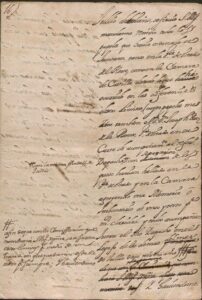
Instructions and dispatches from the king to Manuel de Sentmenat Oms de Santapau and de Lanuza, ambassador to the court of France. 1700-1703
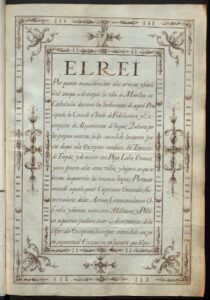
Privilege of Felipe V in which he frees the town of Manlleu from the transit of troops and the supply of straw, firewood, grains and other products.
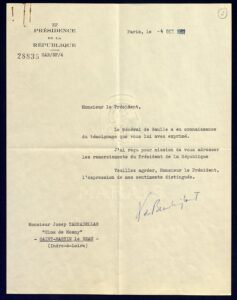
Letter from the President of the French Republic Charles De Gaulle to the President of the Generalitat Josep Tarradellas i Joan
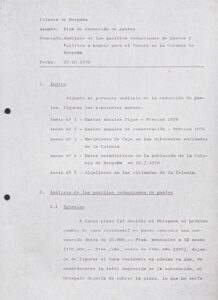
Housing in the Colony of Borgonyà
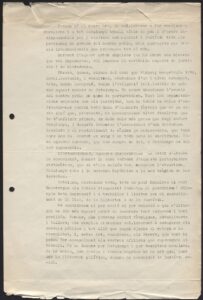
Statute of Autonomy. Speech by President Francesc Macià at the Palau de la Generalitat (09/04/1931)
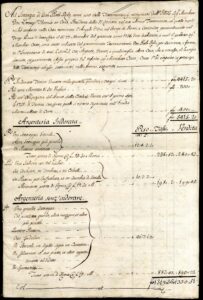
Inventory of goods of Llorenç Tomàs i Costa. 1741
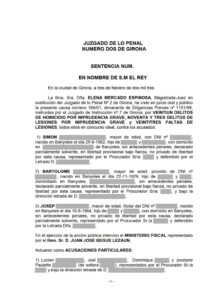
Sentence (fragments) of a summary procedure from the year 2001 for crimes of homicide and injuries due to serious recklessness following the sinking of the boat L’Oca in the lake of Banyoles
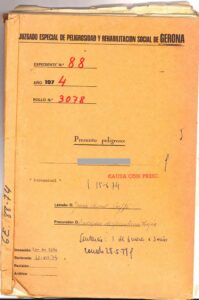
File of Dangerousness and Social Rehabilitation for homosexual number 88/1974
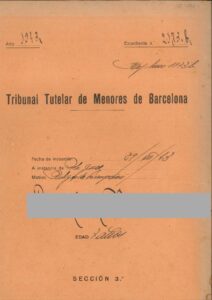
File for danger of corruption number 2173/1943 of the Barcelona Juvenile Court
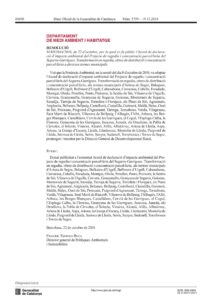
RESOLUTION MAH/3644/2010, of October 22, by which the Environmental Impact Statement Agreement for the Segarra-Garrigues Irrigation and Plot Concentration Project is made public.
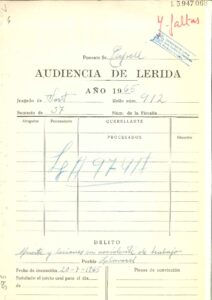
Death and injuries in an accident at work
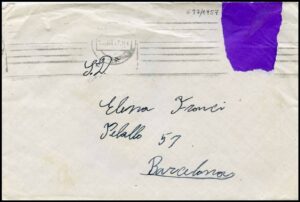
Letter from Murcia with the envelope and reply from the Consultancy
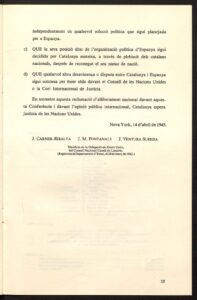
Catalan National Council. Delegation to the United States. The Case of Catalonia. Appeal to the United Nations at the International Organization Conference San Francisco, California (04.1945)
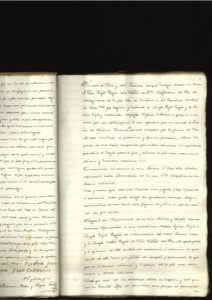
Testament of Pau Pujol, condemned to death by the French army.
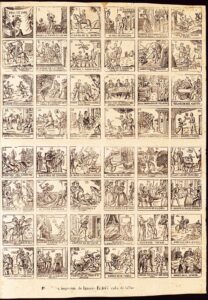
Life of Don Quixote.
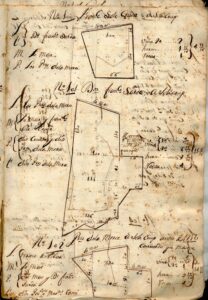
Llibre de nova recanació. Sketch of the lands. Register
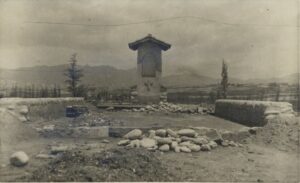
Construction of the pedronet de Sant Roc
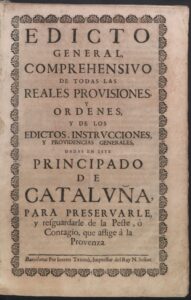
Edict against the plague
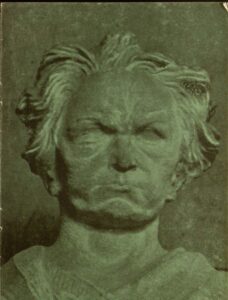
Beethoven’s Mass solemnis
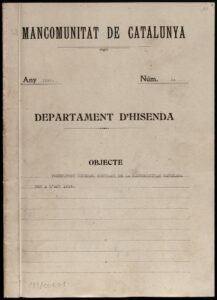
First ordinary general budget. Exercise 1914
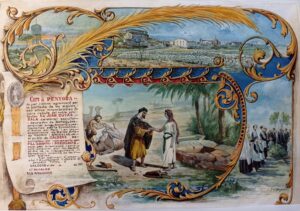
Diploma appointing Joan Cuyàs Sala as the favorite son of Calders in gratitude for bringing water to the town
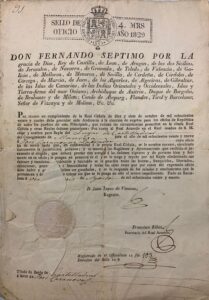
Royal orders on the appointment of councilors
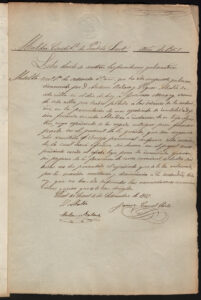
Book of proceedings of the Plenary meeting of the Pont de Suert City Council
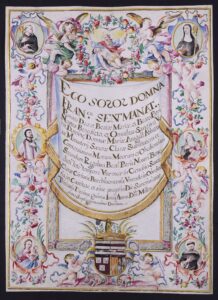
Letter of profession of Mrs. Francesca Sentmenat i d’Oms as a nun of the monastery of Sant Antoni and Santa Clara in Barcelona.
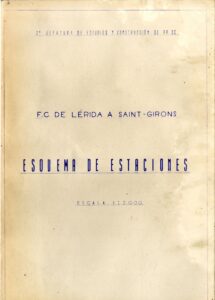
Diagram of stations on the railway line from Lleida to Saint Girons. Transpyrenenc Central
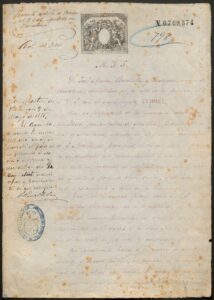
José Bocabella i Verdaguer presents the plan of the project to build the monumental temple of the Sagrada Família
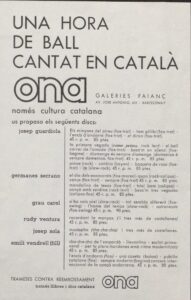
Editora General, S.A. (EDIGSA). Propaganda and printed matter from the Ona Bookstore and the Els Setze Jutges group
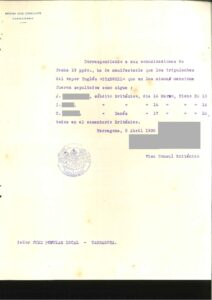
Communication from the British Vice Consul in Tarragona on the occasion of the burials of the English subjects of the merchant Stanwell, and of the observer of the Non-Intervention Committee, Captain Danès Madsen.
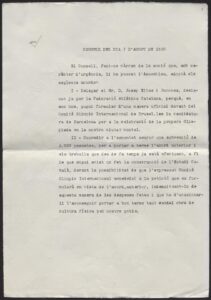
Olympic report’: report by Josep Elias and Juncosa on the official presentation of Barcelona’s bid for the VIII Olympic Games (1920). Inside: Barcelona’s bid to host the VIII Olympic Games (1924)
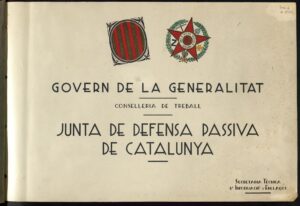
Album of the summary of statistical charts of alarms and bombings suffered in the city of Barcelona from January 1, 1937 to March 31, 1938.
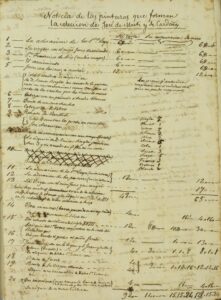
Catalog and inventories of books, paintings, sculptures, drawings, engravings, jewelry, numismatics and other art objects acquired by José de Martí Cardeñas
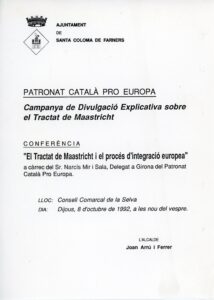
Conference of the Catalan Board of Trustees for Europe on the Maastricht Treaty and the European integration process
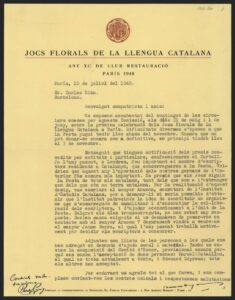
Letter received by Carles Riba from the organization of the Catalan Language Floral Games held in Paris (16.07.1948)
General collaboration protocol between the Ministry of the Environment and the Generalidad de Catalunya, for the construction and exploitation of the Segarra-Garrigues irrigation project
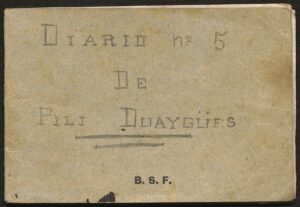
Diaries of Pilar Duaygües Nebot (1921-1998), written in Barcelona during the Civil War.
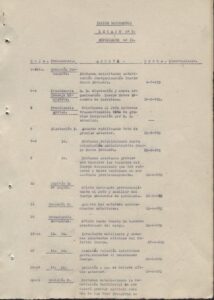
File of dissolution of the Barcelona Squads and reorganization according to the bases established in the Royal Decree of August 14, 1930. (1930)
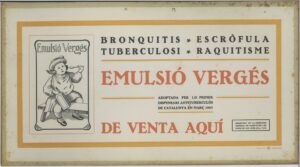
Vergés Emulsion propaganda poster
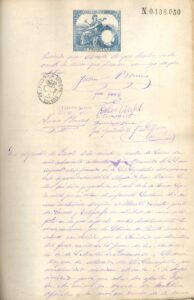
Minutes of the meeting documenting the request for a post office
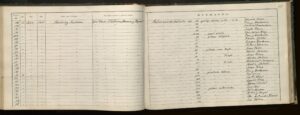
Book of registration for going to Andorra
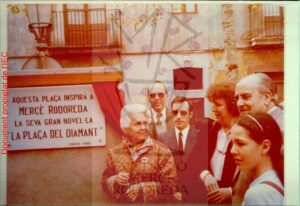
Mercè Rodoreda, Mercè Sala, Joan Triadú and others, in front of the plaque inaugurated in Plaça del Diamant de Gràcia
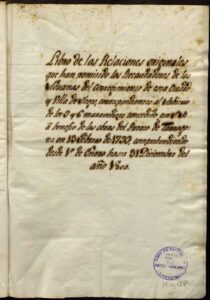
Customs Book

DECOR Sheet no. 35. Publication edited by the community of Benedictine nuns of Sant Pere de les Puel·les in Barcelona.
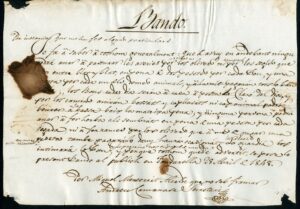
Fondarella City Council proclamation
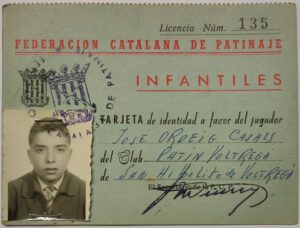
Federation sheet of the Catalan Catxo Ordeig Skating Federation for the 1962-1963 season, Sant Hipòlit de Voltregà
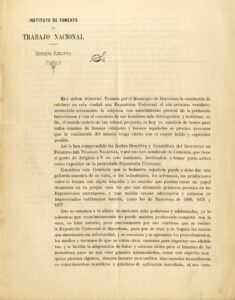
Circular proposing to members to participate in the universal exhibition in Barcelona
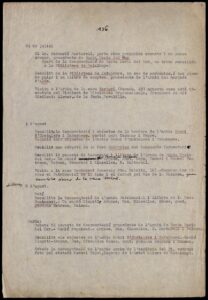
ARCHIVES SECTION. GENERAL DOCUMENTATION. Diary of the actions of the Section and reports of visits to archives in different localities
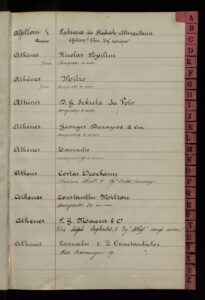
Address book of customers and agents (Germany, Czechoslovakia, Poland, Russia, Austria, …)
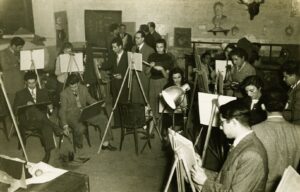
Artistic training course at the Art School of Tortosa
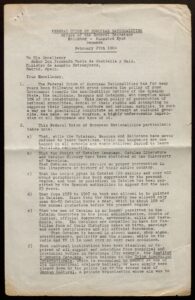
Speech delivered at the Federal Union of European Nationalities (29.02.1964)
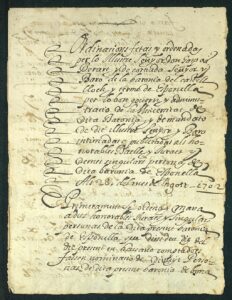
“Ordinances made and ordered by the illustrious Mr. Don Gaspar Berart y de Cortiada, lord and baron of the barony of the castle, place and district of Esponellà, for the good government and administration of the university of said barony…” (28.08.1702)
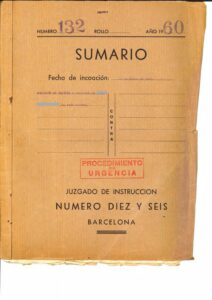
1960 Home Abandonment Summary
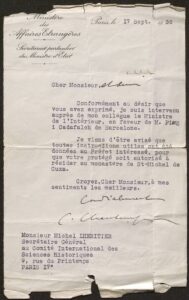
Letter from Camille Chautemps, Secretary of the Ministry of Foreign Affairs in France, to Michel Lheritier, Secretary General of the Comité International des Sciences Historiques.
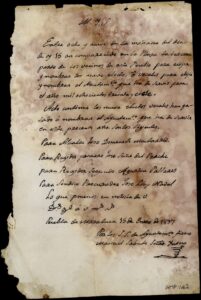
Election of the mayor and councilors
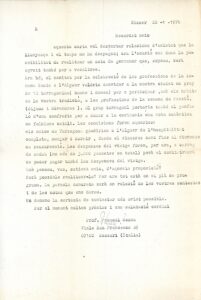
correspondence
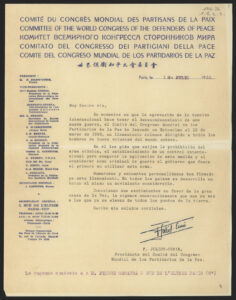
Petition to join the World Congress of Peace Supporters (18.07.1950).
“Official chronicle of the Commonwealth of Catalonia”