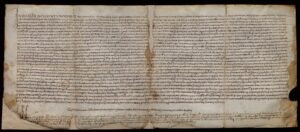
Notarial deed of compliance with the guardianship of the arbitral award between La Pobla de Massaluca and Vilalba dels Arcs
Trial of Pau d’Agullana and des Miquel, accused by the black Mònica of complicity in the poisoning of the treasurer Miquel Codina (1567)
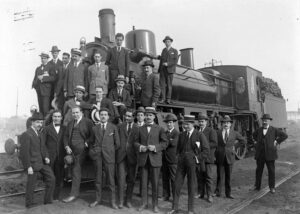
Group of people surrounding a locomotive at Estación del Nord, in Barcelona
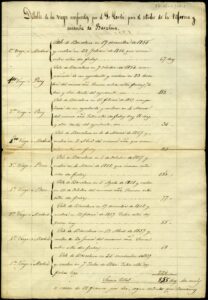
Details of the trips verified by Mr. Cerdá for the study of the reform and expansion of Barcelona
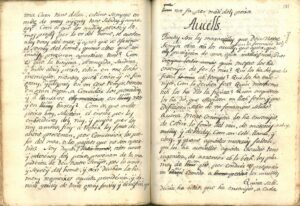
Instructions for teaching minions. I take second. Written by Rnt. Baldiri Rexach, prev. and Rr. of the parish church of Sant Martí de Ollés, Diocese of Gerona
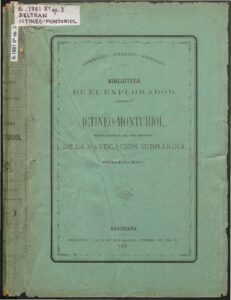
Ictíneo-Monturiol for underwater navigation: historical review of the discovery of underwater navigation
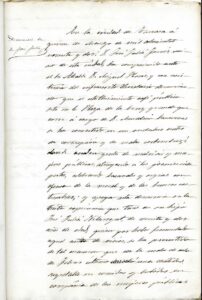
Sanctioning public health file related to the cafe in Plaça de la Creu Gran, run by Marcel·lí Lloveras Cánovas, better known as “the sorcerer”, accused of pimping and selling harmful remedies to his customers.
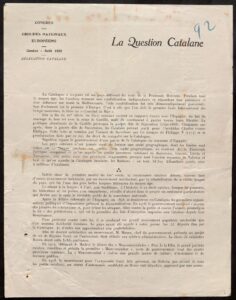
“The Catalan Question. Congrès de groupes nationaux européens. Catalan Délégation” (08.1926).
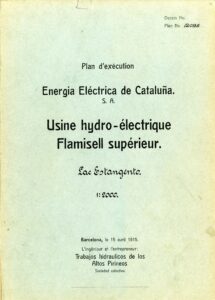
Lower Flammicell Hydroelectric Plant Project. Gento Dam
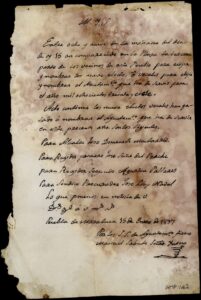
Election of the mayor and councilors
Agreement for the prices of issuing documents from the notary of the town of Albi
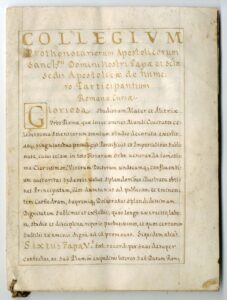
Doctor of Theology title granted to Victoró Lorida document issued in the Apostolic Palace of Sant Pere del Vaticano under the Papacy of Alexander VII.
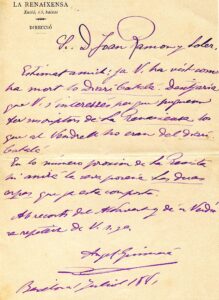
Letter from Àngel Guimerà to Joan Ramon i Soler. Barcelona, July 1, 1881.
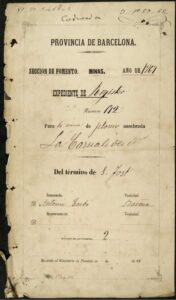
Registration file of “2 belongings of the lead mine named “La Casualidad” site of Pou de la Gana terminus de San Fost”. (Barcelona) (28/10/1867-21/09/1868)
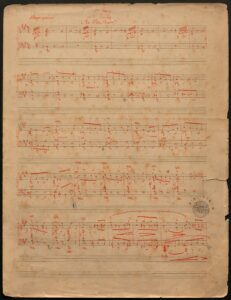
Iberia
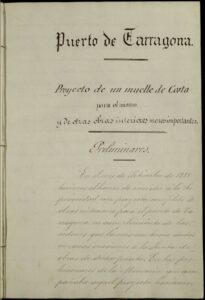
Project for a Coastal Dock and other less important interior works for the Port of the Capital
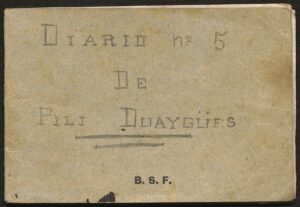
Diaries of Pilar Duaygües Nebot (1921-1998), written in Barcelona during the Civil War.
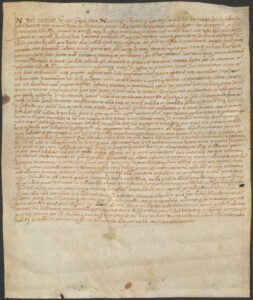
Nuptials between Esteve Vidal, bracer of the place of (Gabandugen), in the Kingdom of France, but living in Foixà, and Coloma (daughter of Antoni Puig, bracer of Sant Martí Vell, and Caterina).
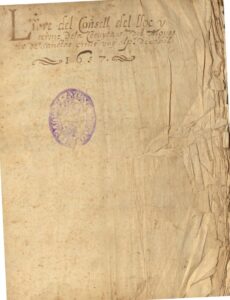
Book of the Council of the Retinue 1657-1681 (contains parchment from 1578)
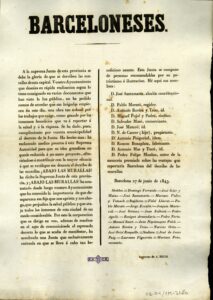
Barcelona City Council ban on the start of the demolition of the walls
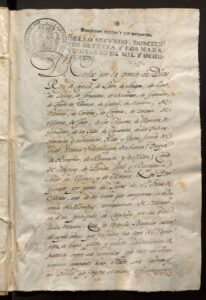
Royal privilege of King Charles IV which recognizes Sant Feliu de Codines as an independent town of the Barony of Montbui
![Manuscript book of news from Catalonia, Western Europe and Christianity arranged alphabetically. [17th century]](https://catalunyapaisdarxius.cat/wp-content/uploads/2025/10/0909-ANC1-25-T-767_001-thumbnail-199x300.jpg)
Manuscript book of news from Catalonia, Western Europe and Christianity arranged alphabetically. [17th century]
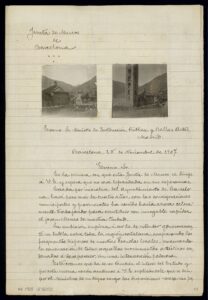
Report sent by Josep Puig i Cadafalch, president of the Board of Museums to the Minister of Public Instruction and Fine Arts requesting the declaration of the church of Sant Climent de Taüll (1907) as a national historical monument
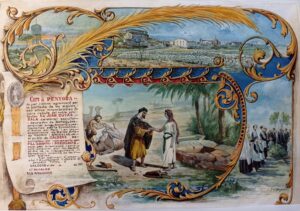
Diploma appointing Joan Cuyàs Sala as the favorite son of Calders in gratitude for bringing water to the town
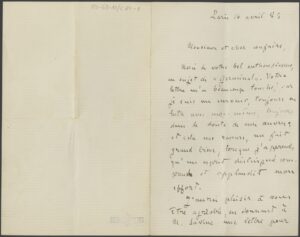
Letter from Émile Zola to Narcís Oller
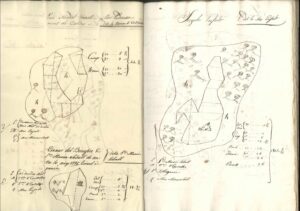
Balenyà register
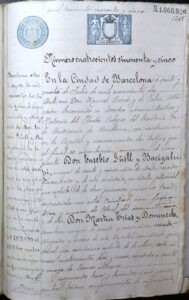
Deed of purchase of some plots in what is now Parc Güell with a plan signed by the architect Antoni Gaudí i Cornet.
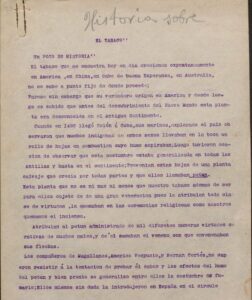
Flake tobacco Production in Europe and the Philippine treasury (2.3.1918 – 17.9.1956)
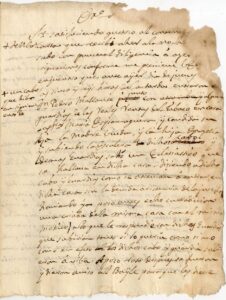
Memorial of the Batlle de la Bisbal on abuses by guards of the tobacco income in the Bisbal (female victims)
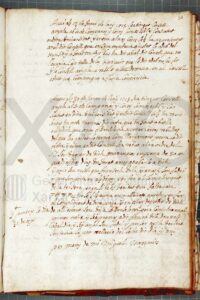
Call for submission to Osor at the request of the Marquis del Poal in the context of the War of Succession
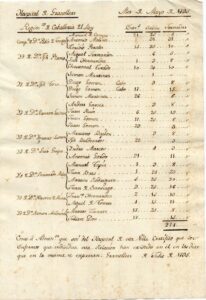
Account of the stays of soldiers from various regiments at the Granollers Hospital, war of the Convention between Spain and France, 1793-1795.
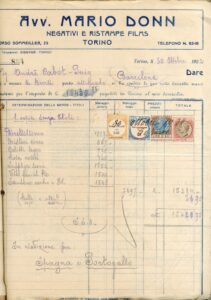
Invoice for copies of Italian films for distribution in Spain and Portugal
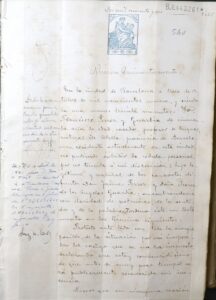
Testament of Francesc Ferrer and Guard
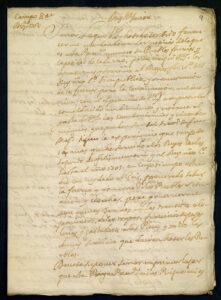
Draft of a letter from Josep Aparici advising how to act before the populations that have to render services to the king and the army and that, through excuses, try to avoid it.
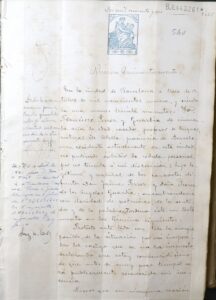
Power of attorney given by the poet Jacint Verdaguer i Santaló to various people so that they can manage his assets and the rights of his literary works.
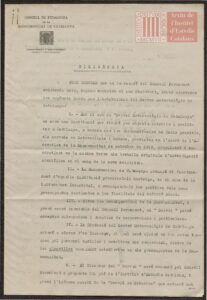
Diligence listing the bases approved by the Council of the Commonwealth by which the Meteorological Service of Catalonia must be governed
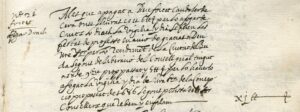
Expenses for the participation of the dragon of the city of Manresa in the thanksgiving procession for the capture of the city of Buda
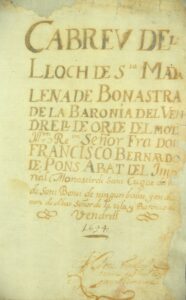
Capbrevation book of the place of Bonastre, bishopric of Barcelona, made in 1694
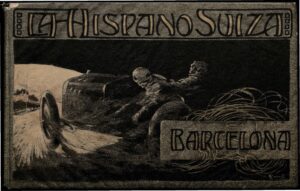
Advertising catalog of the Hispano-Suiza factory
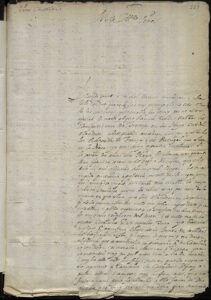
Letter from Josep Fontanella to the councilors of Barcelona
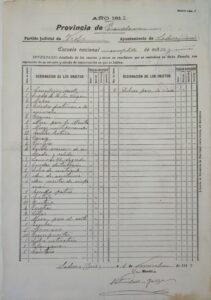
Material budget for the school in Saderra in Orís
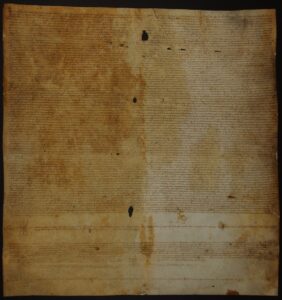
Census of the University of Miralcamp in favor of Pere Florent Llop, merchant, citizen of Lleida in 1583.
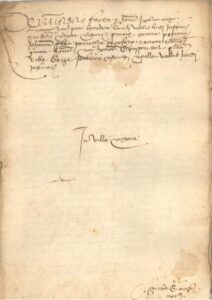
Complaint by Jaume Moxí, lieutenant of the batlle de la Vall de Lord, against Pere Joan Solan, of Coforb, for a rumor with Gaspar del Graner, of Berga, in terms of the castle of Capolat of the lower valley of Lord
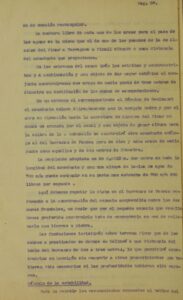
Rec construction project in Móra d’Ebre.
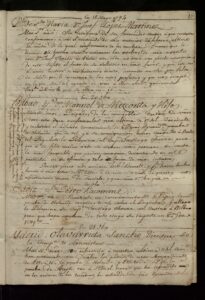
Copier book of correspondence of Jean Lacomme, merchant of wines and spirits
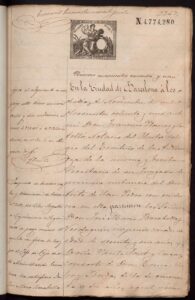
Purchase and sale of the lands of the Sagrada Família
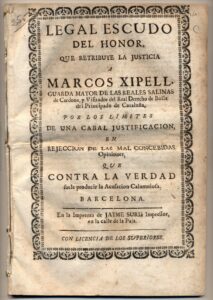
Process related to the person of Marc Xipell, chief guard of the Salinas de Cardona, and to “the copious gangs of armed, scheming people, who, without respect for the troops and the ministers of security, entered at night to steal considerable portions of salt from the Salinas de Cardona”.
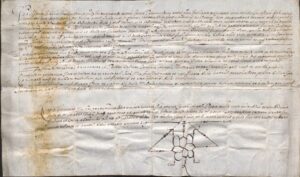
Sentence against Ramon Ratul, from the town of Millars, bishop of Elna, by which he is sentenced to be flogged, banished forever from said town and to serve three years in the king’s galleys (Millars. 22.10.1603)
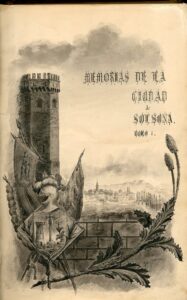
Cover of “Memories of the City of Solsona” by Domènec Costa and Bafarull.
Certificate from the archive of the Monastery of Sant Cugat.
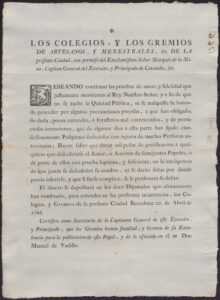
Notice from the Marquis de la Mina on the dissemination of seditious pamphlets, rewarding whoever gives information. 1766
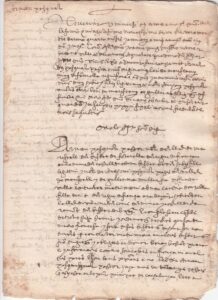
Certificate of single status of a boy from Occitania, France, 16th century, to be able to marry
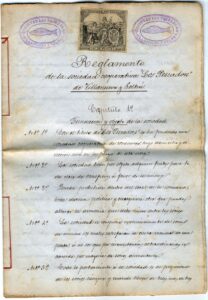
Regulations of the cooperative society “Los Pescadors” of Vilanova i la Geltrú
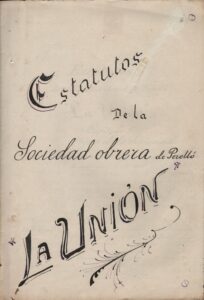
Statutes of the association file of the Societat Obera “La Unión” of Perelló.
(AHT. Civil Government Fund of Tarragona. Reg.1100)
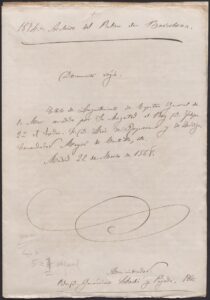
Title of lieutenant of captain general of the sea granted by Felipe II to Lluís de Requesens i Zúñiga, commander-in-chief of Castile and ambassador in Rome (22/3/1568)
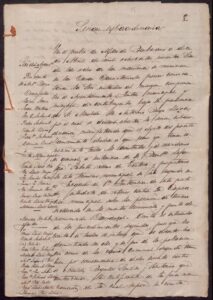
Establishments of the village of Mas de Barberans which was called Villa de Santa Maria in the past
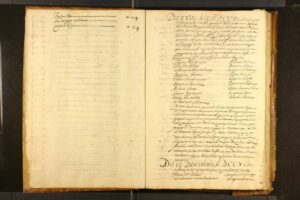
Book of sizes and determinations of the University of Cassà
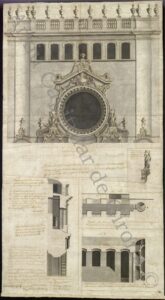
Finishing project for the baroque facade of Girona Cathedral, by Pere Costa
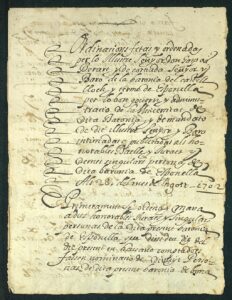
“Ordinances made and ordered by the illustrious Mr. Don Gaspar Berart y de Cortiada, lord and baron of the barony of the castle, place and district of Esponellà, for the good government and administration of the university of said barony…” (28.08.1702)
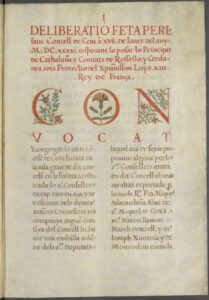
Catalonia under the protection of King Louis XIII of France
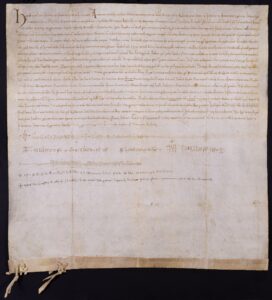
Chronicle of the monastery of Sant Pere de les Puel·les
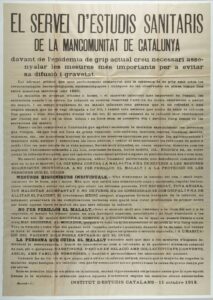
Letters, hygiene standards posters and reports on the Spanish flu epidemic in different Catalan populations, in Spain and in Europe by Dr. Lluís Sayé and Sampere, from the Institute of Sciences of the Health Studies Service
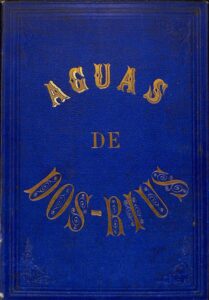
Book “Aguas de Dosrius”
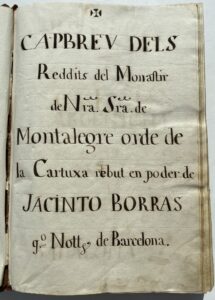
“Capbreu of the Monastery of Montalegre, of the Carthusian order, received in the possession of Jacinto Borràs, public notary of Barcelona, and of Antoni Pau Simon, royal notary, resident in the town of Mataró, and other notaries, in the year 1657”.
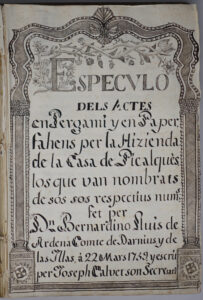
Speculum of the Wardrobe of Picalqués.
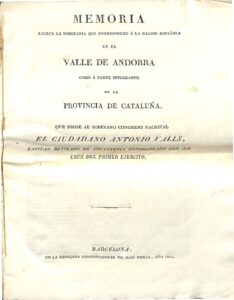
Memo about the sovereignty that corresponds to the Spanish Nation in the Andorra Valley as an integral part of the Province of Catalonia
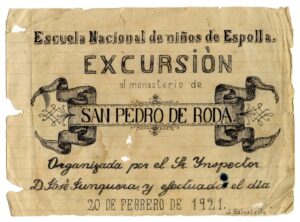
Class diary of the school activity of Espolla
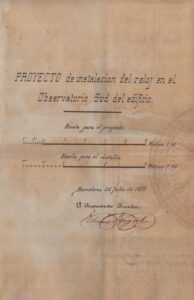
File on the project to install the clock in the Historical Building of the University of Barcelona
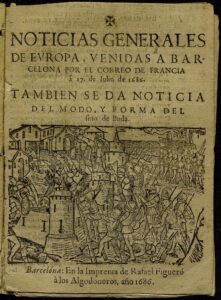
General news from Europe sent to Barcelona by the Correo de France
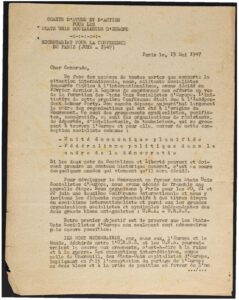
Documentation of the Socialist Movement of the United States of Europe
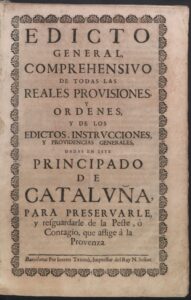
Edict against the plague
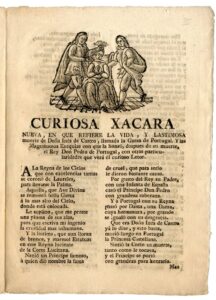
Curious Xacara nueva, in which it refers to the life and pitiful death of Mrs. Inés de Castro, called the Heron of Portugal.
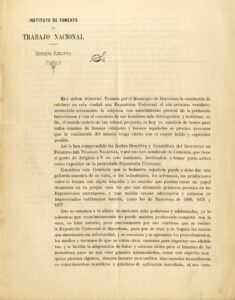
Circular proposing to members to participate in the universal exhibition in Barcelona
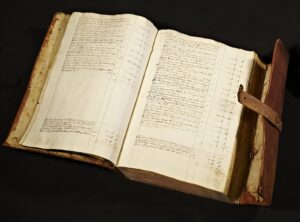
Ledger of the Exchange Table.
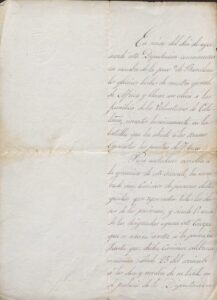
Letter from the Provincial Council of Barcelona inviting J. A. Clavé to a commemoration event in memory of the victims of the war in Africa. 24.02.1860
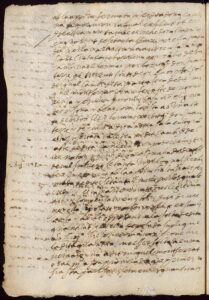
Miquel Montserrat Grau, honored citizen of Barcelona, against Magdalena Terré, widow of the late Joaquim Terré and d’Icart. 19.12.1594 – 29.05.1602
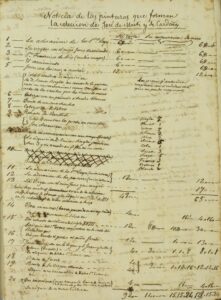
Catalog and inventories of books, paintings, sculptures, drawings, engravings, jewelry, numismatics and other art objects acquired by José de Martí Cardeñas
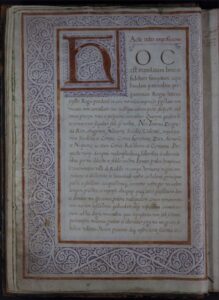
green book
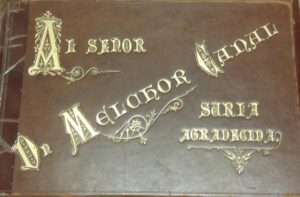
Súria grateful to Mr. Melchor Canal
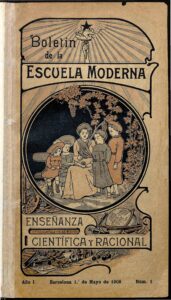
Bulletin of the Modern School: scientific and rational teaching
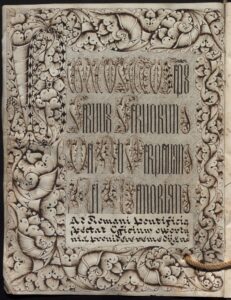
Original bull and transsumpt of the union made by the priory of Sant Genís de Bellera to the monastery of Lavaix by Pope Benedict XIV
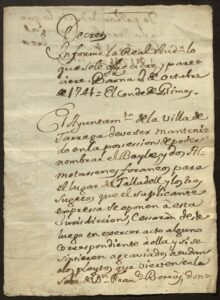
Decree of the Royal Court of Barcelona on the competences of the Tàrrega City Council in appointing the Batlle and two Mostassass for the place of Talladell
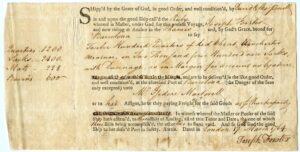
Contract of charter to transport goods from London to Barcelona, on board the ship Ruby, and bill of lading according to which Captain Joseph Forster has paid for the delivery of the cargo of wheat to Isidre Martorell, 17/03/1764-4/06/1764
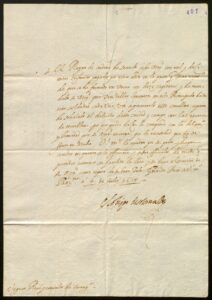
Leva of men of war for Italy
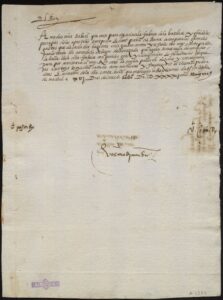
Letter from Charles I to the councilors of Barcelona
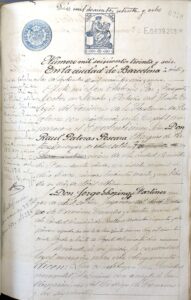
Articles of incorporation of the commercial company Helicopteración Pescara Sociedad Anónima.
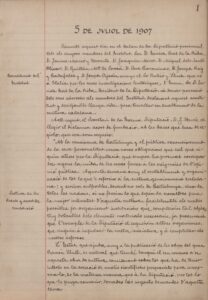
Manuscript minutes of the first meeting of the Catalan Studies Institute
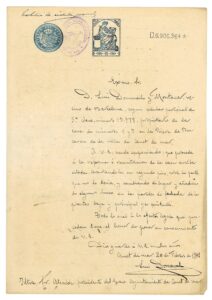
Works license for the reform of the house of Lluís Domènech i Montaner in the Buscarons de Canet stream.
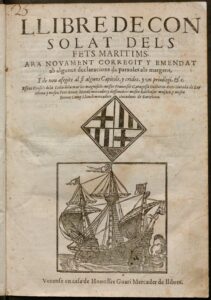
Consulate book of maritime facts now again corrected and amended with some declarations of words in the margins, and again added at the end some chapters, and calls and a privilege, &c.
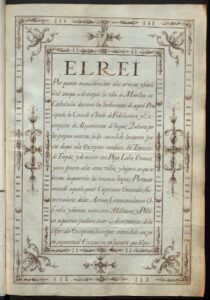
Privilege of Felipe V in which he frees the town of Manlleu from the transit of troops and the supply of straw, firewood, grains and other products.
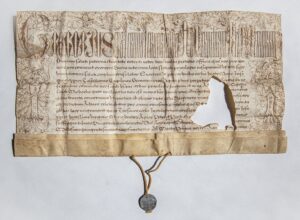
Bull of Pope Gregory XIII to the community of priests of Santa Maria de Castelló d’Empúries.
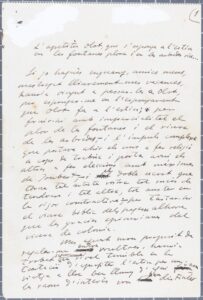
Prayer of the maimed soldiers. Presidential speech of the XXVIII Literary-Artistic Competition of Olot, manuscript by Eugeni d’Ors. Published in Vida Olotina, 28 September 1917
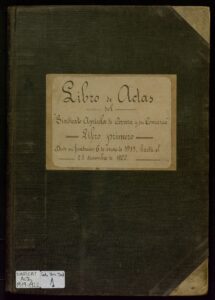
Book of proceedings of the Board of the Agricultural Union of Cervera and its region
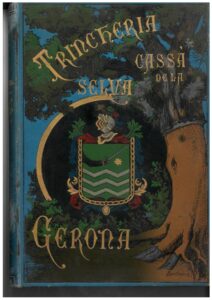
The Hispano-Portuguese Customs League of Marçal de Trinxeria
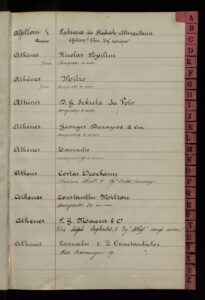
Address book of customers and agents (Germany, Czechoslovakia, Poland, Russia, Austria, …)
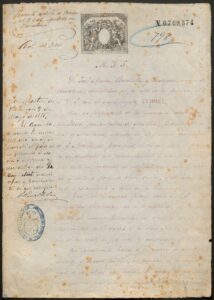
José Bocabella i Verdaguer presents the plan of the project to build the monumental temple of the Sagrada Família
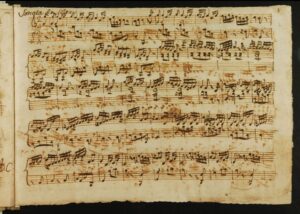
Sonatas of Fr. Fray Antonio Soler who made it for the amusement of the Sereníssimo Señor Infante Don Gabriel, work 7ª and 8ª. 1802
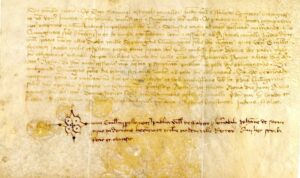
Ordination of the Poboleda wine brokerage
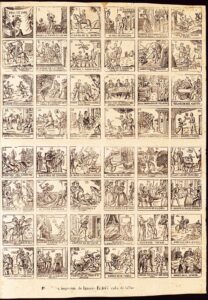
Life of Don Quixote.
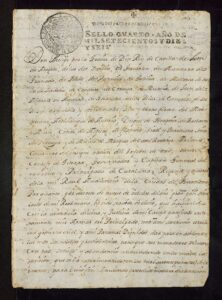
New Plant Decree of the Court of the Principality of Catalonia.
Letter from Bishop Meseguer to the rector of the Seminary of Lleida
License given by the bishop of Vic to Antoni Magnial, priest and rector of the parish of Montagut, bishopric of Albi, to say mass and to confess to clergy emigrants from France
Report on the draft Special Trade Treaty with England issued by the Industrial Institute of Catalonia
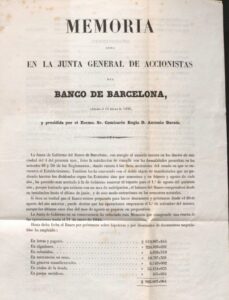
Memoirs of Banco de Barcelona at the General Meeting of Shareholders. Accounting. Volume 1. 15.02.1846 – 06.08.1876
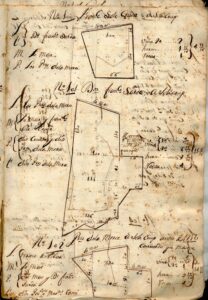
Llibre de nova recanació. Sketch of the lands. Register
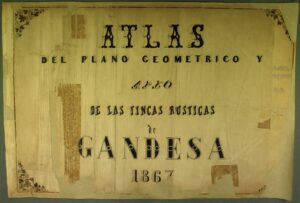
Atlas of the Geometric and Apeo Plan of the Rural Estates of Gandesa
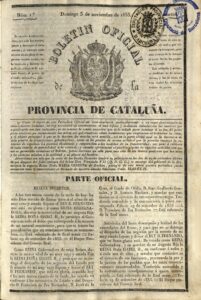
Official Bulletin of the Province of Catalonia, no. November 1, 3, 1833. Background: Diputació de Barcelona.
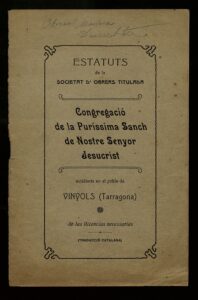
Regulation of the Most Pure Blood of Our Lord Jesus Christ
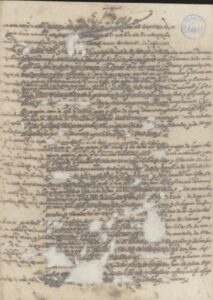
Instruction from Felipe II to Lluís de Requesens i Zúñiga so that he properly exercises the position entrusted to him as lieutenant of the captain general of the sea.
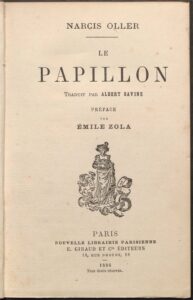
Le Papillon / Narcís Oller; translated by Albert Savine; preface by Emile Zola. Paris: Nouvelle librarire parisienne, E. Giraud et Cie., 1886. 298 p. ; 19 cm.
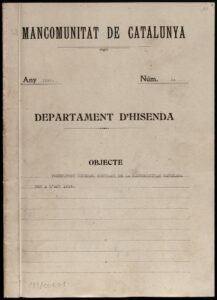
First ordinary general budget. Exercise 1914
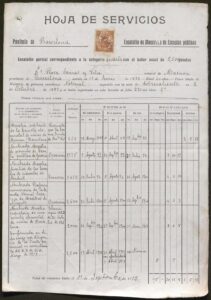
Teacher file: Rosa Sensat Vila (1891 – 1943)
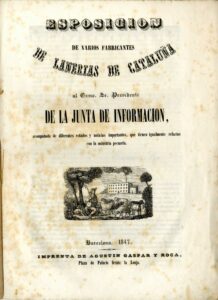
Exhibition of several manufacturers of Lanerías from Barcelona at the excomo. Mr. President of the Information Board accompanied by different states and important news that are also related to the livestock industry
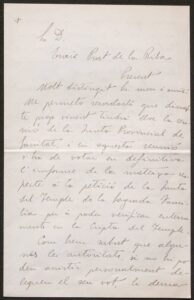
Correspondence from Antoni Gaudí and Cornet to Enric Prat de la Riba (Barcelona. December 29, 1916)
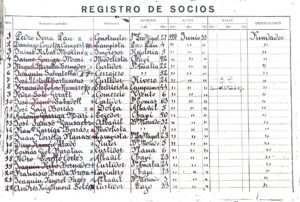
REGISTER OF MEMBERS
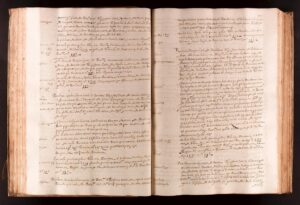
“Memorial, diary and summary of the acts of the heritage of the House of Icart…” 1543 – 1576
Contract for the opening of a hardware store in Mollerussa
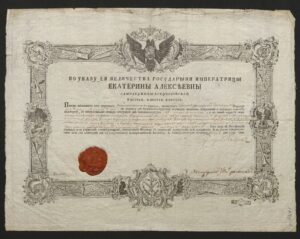
Health patent of St. Petersburg

Ledger of the New Company of Gibraltar. 01.07.1709 – 20.05.1723
Correspondence between Antonio de Saavedra i Jofré, count of Alcúdia, and Joan de Rocabertí-Dameto: letter referring to the negotiations to obtain financing from the European powers (Vienna. June 11, 1840)

Catalonia expands throughout Europe through Ràdio Barcelona. Ràdio Barcelona brochure that encourages people to advertise on it.
Memoirs of Honorat de Pallejà (1703-1713)
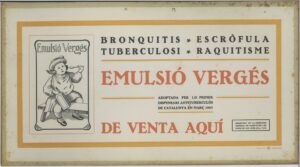
Vergés Emulsion propaganda poster
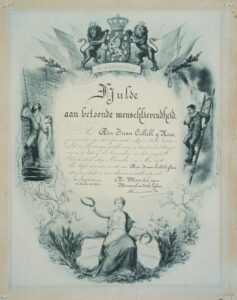
Diploma awarding the silver medal for the rescue of the crew of the Dutch ship Cornelia made by Joan Cullell Roca, captain of the ship Martí Codolar
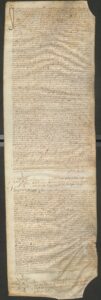
Nuptials between Magdalena (daughter of Esteve Puig, farmer of Sant Martí Vell, and of Coloma, his wife) and Felip Rei, stonecutter and master of houses (son of Joan Rei, carpenter of the parish of Pubola).
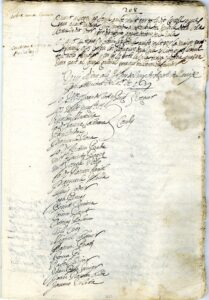
Plenary of the Puigcerdà Council on the Treaty of the Pyrenees
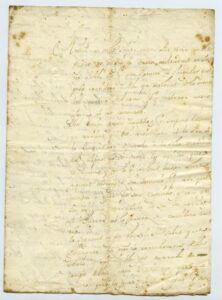
Letter from Ramon de Ferran i Biosca to Pere Anton Veciana, batlle de Valls, on 05/24/1725
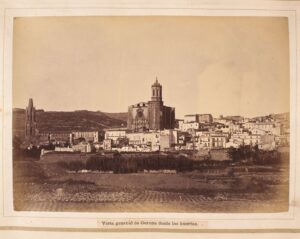
Album Bellesas de Gerona
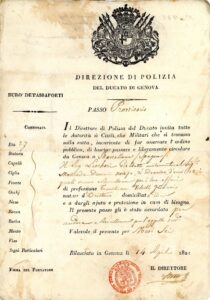
Piedmontese
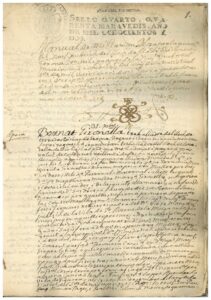
Notarial manual of Ramon Mora Gelabert de Lladó
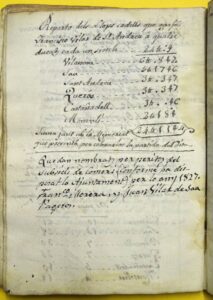
Payment to Francesc Vilar de Sant Andreu de Bancells (Vilanova de Sau), for the death of five wolf cubs
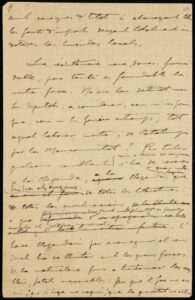
Constitution Speech by Enric Prat de la Riba at the act of taking possession of the presidency of the Commonwealth.
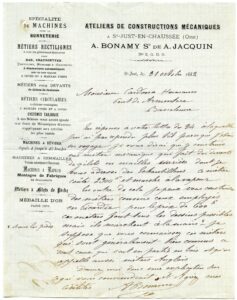
Letter from A. Bonamy Successeur of A. Jacquin (Saint-Just-en-Chaussée) to the firm Cardona Hermanos (established at Pont d’Armentera), on 31/10/1882
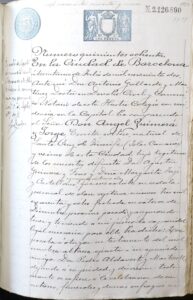
Testament of the playwright, politician and poet Àngel Guimerà i Jorge
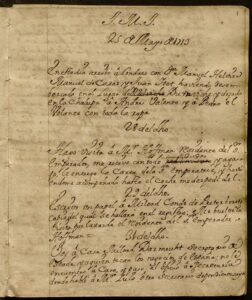
Dietary book of memories, referring to the acts practiced by Mr. D. Pablo Ignacio de Dalmases y de Ros as ambassador sent by the Catalan Courts to England, during the time of the War of Succession
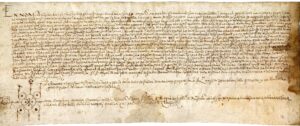
Testament of Pere Monegal from the year 1561
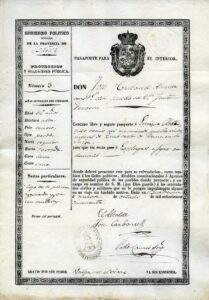
Salconduit of Enric Helbaquer, Swiss citizen and resident of Sant Just Desvern, necessary to go live in Esplugues de Llobregat, 1850
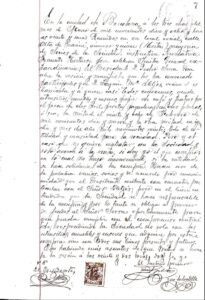
GENERAL ASSEMBLY OF THE FOMENT HORTENC: Minutes book
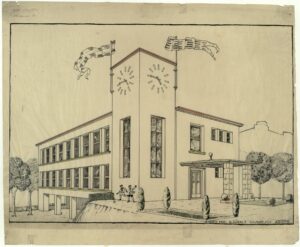
Ignasi Iglésias School construction project
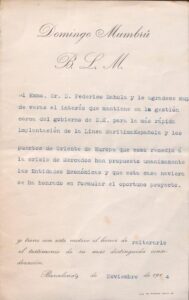
Measures in relation to the implementation of the “Spanish Maritime Line”, fast and regular, between the port of Barcelona and the ports of Eastern Europe (06.11.1914)
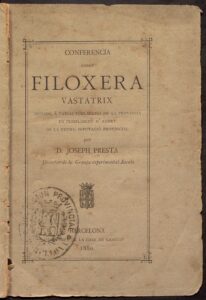
Josep Presta i Corbera, “Conference on phylloxera vastatrix”, 1880. Reserve library and documentation center of the General Archive
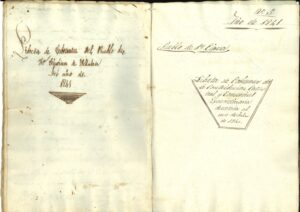
Tax collection booklet
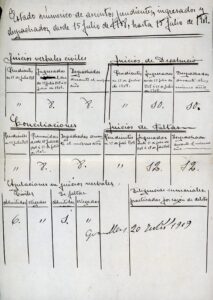
Record of the trials of the Granollers Court between 1908 and 1909.
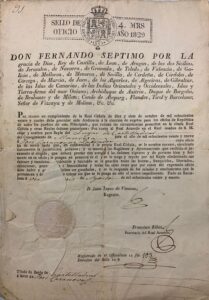
Royal orders on the appointment of councilors
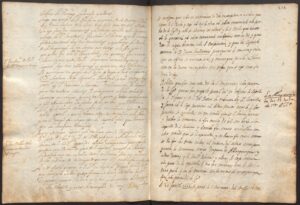
Specimens from the Cathedral of Barcelona Vol.3
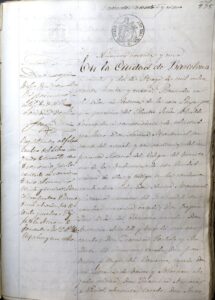
Statutes of the underwater navigation society
Communication of the regulations on the 8-hour day
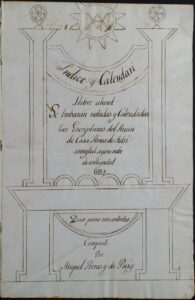
Index and calendar. Book where the writings of the Archive of the Heras de Adri house will be noted and dated, arranged in order of seniority. Composed by Miquel Heras de Puig.
Book of Juhí de Prohoms from the town of Reus
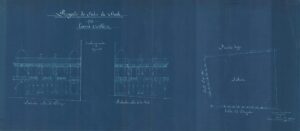
Request for construction permission for a building intended for a Ballroom according to a project by the architect Isidre Bosch
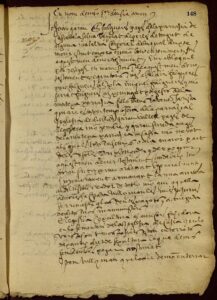
Primum manuale sive prothocollum testamentorum.
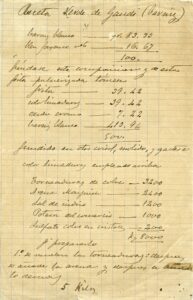
“Verd de Gaudí”: green varnish recipe created at the Pujol i Bausis ceramic factory in Esplugues de Llobregat for material produced for the architect Antoni Gaudí.
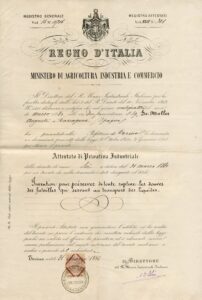
Patent in Italy for a system invented by August de Muller to prevent wine transport barrels from breaking.
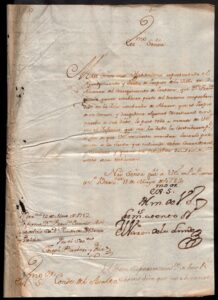
Collection of documents on Abària Island
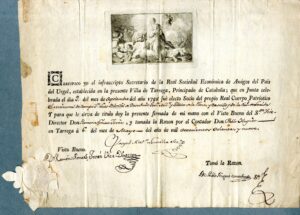
Membership certificate of Lluís Blondel
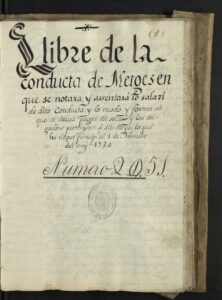
Cover of the “Book of the Conduct of Doctors”, from the 18th century. Various information comes out about the salaries and obligations of the doctors in the city of Solsona.
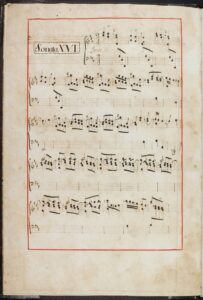
Sonata, for harpsichord / by Mr. Dn. Domenico Scarlatti, &.
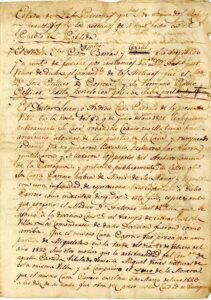
List of the people of Poboleda retaliated by the liberal militiamen
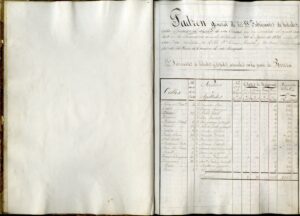
General Register of Yarn Manufacturers.
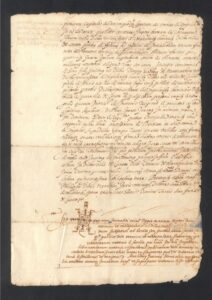
Transfer of privilege from Gastó de Montcada in 1599 to the university of Canet
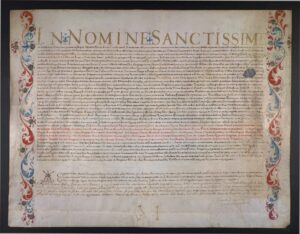
Certificate of the Roman Court authenticating relics
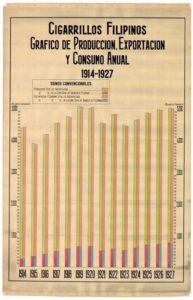
Filipino cigarettes. Annual production, export and consumption chart (1914-1927)
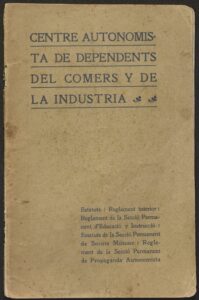
“Statutes, Internal Regulations, Regulations of the Permanent Section of Education and Instruction; Statutes of the Permanent Section of Mutual Aid; Regulations of the Permanent Section of Autonomist Propaganda”
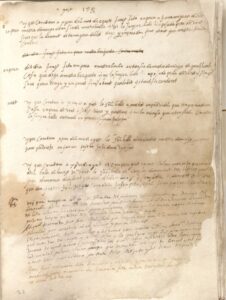
Book of the Court of the Royal Batlle of Conesa
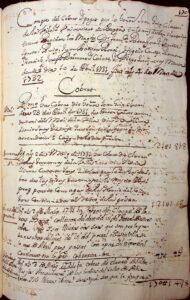
Berga Town Hall keyboard book
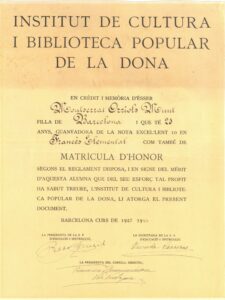
Diploma of the Institute of Culture and Popular Women’s Library Awarded to Montserrat Orriols Munt for the subject Elementary French. Signed by Rosa Sensat and Francesca Bonnemaison.
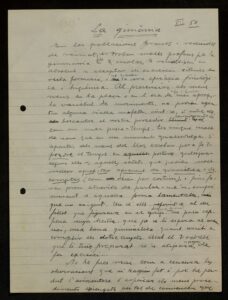
The “Gymnasium”. Chapter of the memory of the professional stay of master Josep Masclans in Vallbona d’Anoia, 1921-1941.
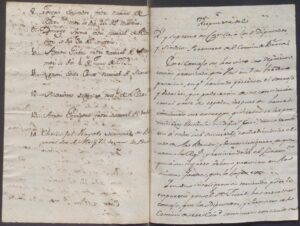
Miscellaneous book entitled “Quintas y levas”, with documentation from the Deputation of Colleges and Guilds of Barcelona on the opposition and resistance to the militias and the consequences.
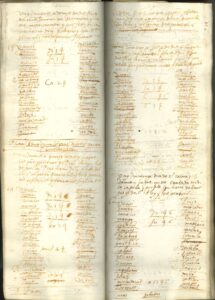
Canaler’s Book of 1609 (fragment)
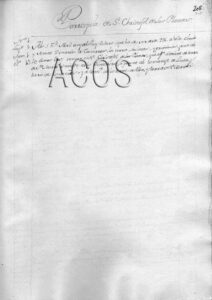
Compilation of acts pertaining to the income of the monastery of Sant Pere de Casserres
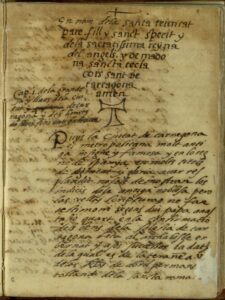
Cover of the Catalan manuscript of the Llibre de les grandeses de Tarragona, by Lluís Pons d’Icard, ca. 1564.
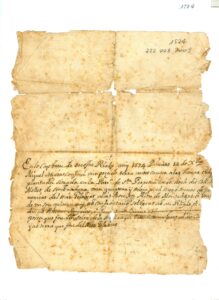
Capbreu d’onofre Rialp 14/12/1574 where Miquel Seguer confesses a piece of land located in the parish of Santa Perpètua in the place called Coll de Mollet belonging to Mas Gelabert alias Bou en Alou de Montalegre.
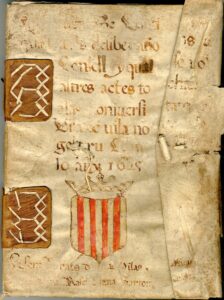
Council agreements
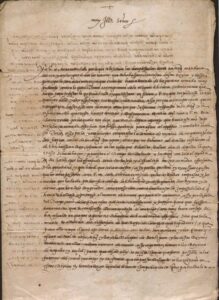
Letter in the form of a royal letter on the cancellation of the intention to raise the army against the Turks, addressed to the Viceroy of Catalonia Francesc de Borja and Aragon, Marquis of Llombai (16.03.1540. Madrid)
specular book
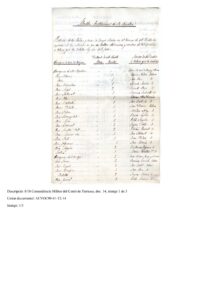
List of the country houses of all the towns of the party, collected by the Military Command of the Canton of Terrassa.
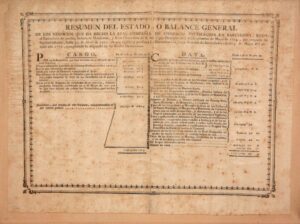
Balance sheet of the Royal Company of Commerce
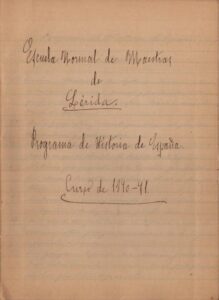
Subject programs of the Normal School of Teachers (women) of Lleida
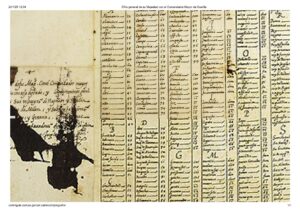
General encryption of the correspondence between King Philip II, the Royal Council and the viceroys of Naples and Sicily
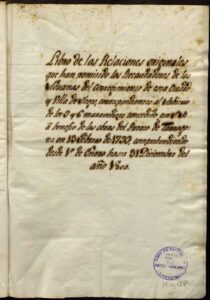
Customs Book
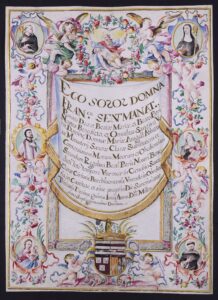
Letter of profession of Mrs. Francesca Sentmenat i d’Oms as a nun of the monastery of Sant Antoni and Santa Clara in Barcelona.
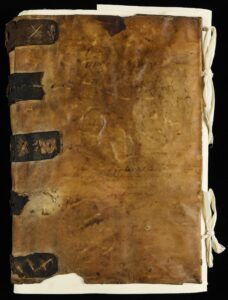
Book of the Sea Consul of Girona
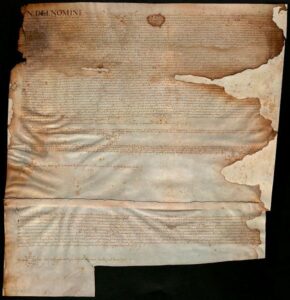
Sale of two pieces of land in Collblanc
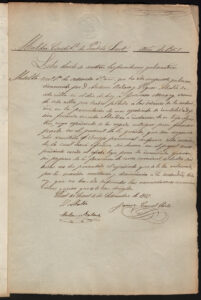
Book of proceedings of the Plenary meeting of the Pont de Suert City Council
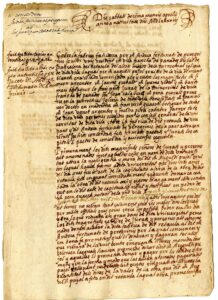
Concordia of the University, priests and beneficiaries, with Andrea de Fortunato, sculptor
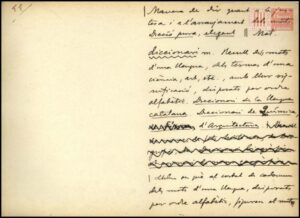
Original sheet handwritten by Pompeu Fabra, from the General Dictionary of the Catalan Language
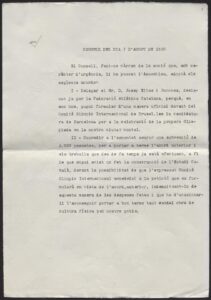
Olympic report’: report by Josep Elias and Juncosa on the official presentation of Barcelona’s bid for the VIII Olympic Games (1920). Inside: Barcelona’s bid to host the VIII Olympic Games (1924)
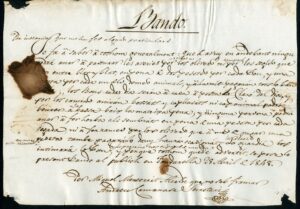
Fondarella City Council proclamation
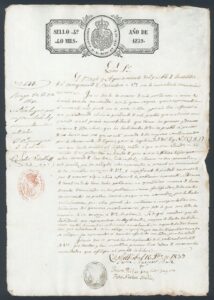
Office addressed to the Governing Board of the Principality of Catalonia of Charles V exposing the economic difficulties due to the payment of contributions due to the drought, the drop in wine prices and the war.
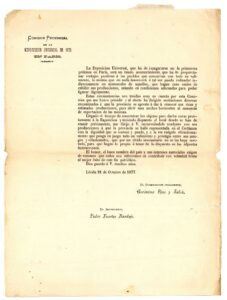
Paris Universal Exhibition
Preliminary project for a local industrial school, submitted to the Commonwealth trade schools competition.
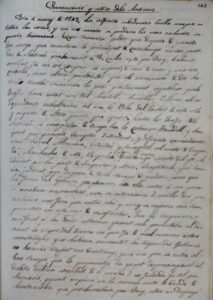
Manual of curiosities and political, economic and instructive notices that for its use and governance becomes Pau Anfruns y Roma (a) Perecó of the place of Castellar de Nuch Bishopric of Solsona and party of Berga in the year 1844
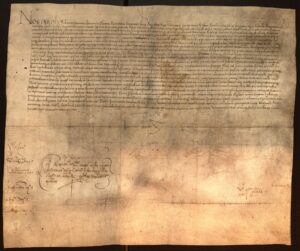
Appointment, by Emperor Charles V, of the nobleman Onofre de Boixadors, procurator general of the Duchy of Montblanc for life.
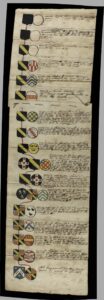
Genealogical tree of the Blondel family (France) until its junction with the Dubús family. XVIII century
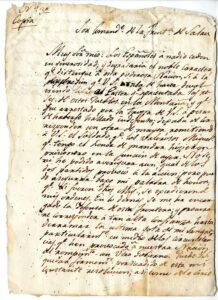
Letter from commander Lladós to his French counterpart in Salau due to the arrest of a pastor from Alòs d’Isil and the attack of the miquelets on French towns
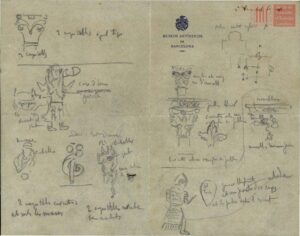
Manuscript notes by Josep Pugi i Cadafalch on capitals and other decorative elements of the Church of Sant Pau del Camp (Barcelona)
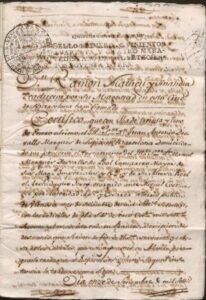
Testament and codicils granted in Vienna by Don Manuel Desvalls y d’Alegre, Marquis Desvalls del Poal in 1760.
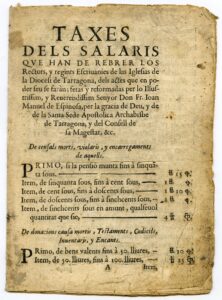
Printed with the fees to be collected by rectors and regents of the offices of the diocese of Tarragona for their performance as notaries, approved by Joan Manuel de Espinosa, archbishop of Tarragona
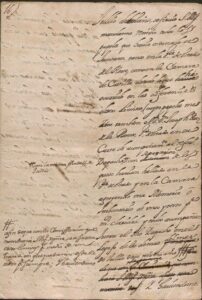
Instructions and dispatches from the king to Manuel de Sentmenat Oms de Santapau and de Lanuza, ambassador to the court of France. 1700-1703
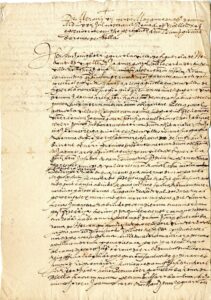
Six-month truce signed between Antoni Boer and Francesc d’Areny
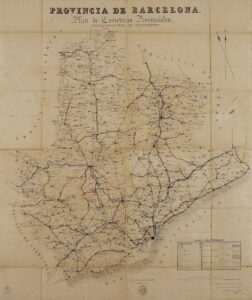
Province of Barcelona. Plan of provincial roads, June 13, 1878. Author: Melcior de Palau (engineer). Fund: Provincial Council of Barcelona.
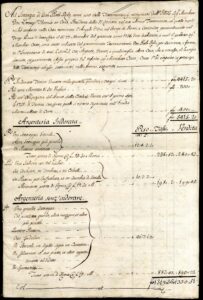
Inventory of goods of Llorenç Tomàs i Costa. 1741
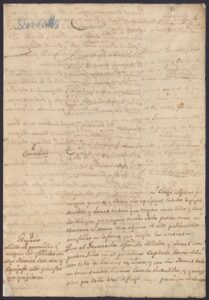
Capitulation of Cardona Castle signed by Colonel Manuel Desvalls and Vergós and the Count of Montemar (18.09.1714)
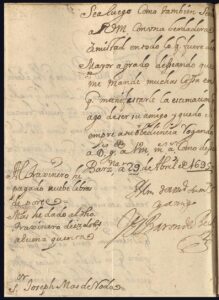
“Papers of don Joseph and don Miguel Mas and of Regàs, father and son, colonels both of Spanish infantry for his majesty”. 1695-1711.
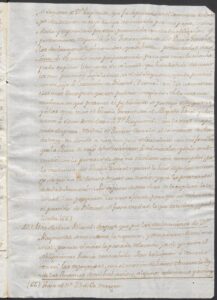
Criminal investigation into the thwarted kidnapping of Raimunda de Puiggener-Orís and Boïl d’Arenós by the Viscount du Blaisel and the maid Geneviève Faraud (1766).
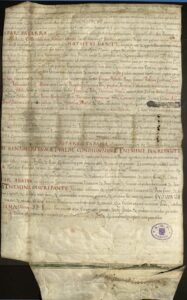
Decree appointing professors of the General Studies of Lleida
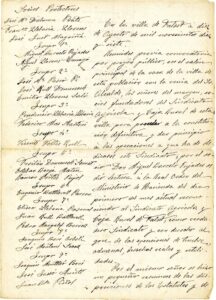
Founding act of the Agricultural Union and Caixa Rural de Falset
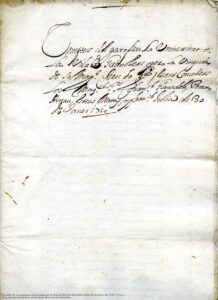
Accounts of the expenses incurred by the arrival of Archduke Charles of Austria to Granollers on January 30, 1710
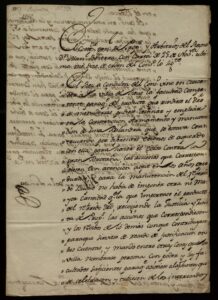
Construction of a sloop
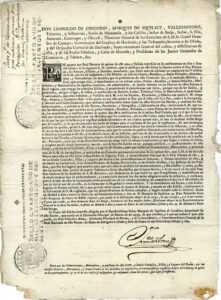
Royal Decree of 1762
![Bellsolell Tower, Hotel Tibidabo [currently Passeig Sant Gervasi 15 - 21, College of Jesús Maria]. Enric Sagnier's request to build a girls' school](https://catalunyapaisdarxius.cat/wp-content/uploads/2025/10/AMDSG1-014.-Expedient-3351_001-thumbnail-scaled-1-206x300.jpg)
Bellsolell Tower, Hotel Tibidabo [currently Passeig Sant Gervasi 15 – 21, College of Jesús Maria]. Enric Sagnier’s request to build a girls’ school
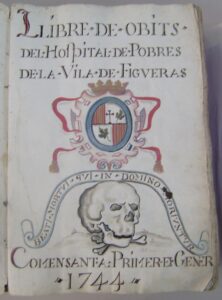
Book of obituaries of the Hospital de Pobres de Figueres
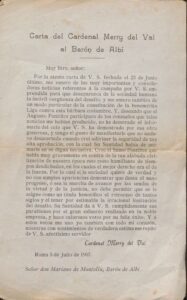
Documentation of Marià de Montoliu and Rocabruna regarding the Anti-Duel League. (21.11.1900 – 15.05.1915)
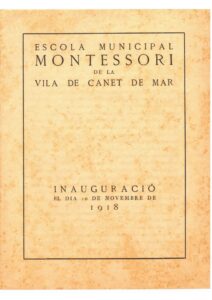
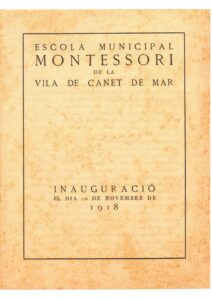
Leaflet on the inauguration of the Canet de Mar Montessori school
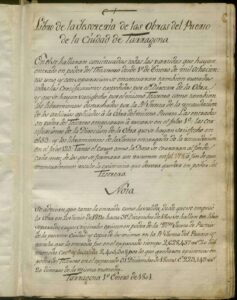
Book of the Treasury of the Works of the Port of the city of Tarragona (1801-1803)
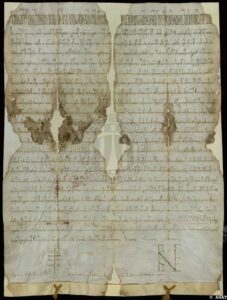
Inter primas Hispaniarum urbes
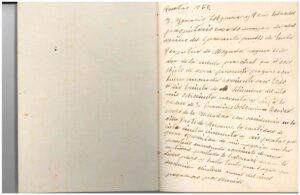
Personal diary of police constable Francesc Colomines from 1889-1893
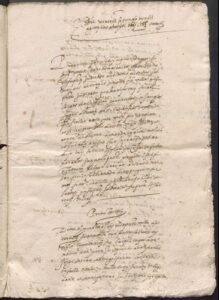
Accounting of two proclamations made in the county of Quirra, in Sardinia
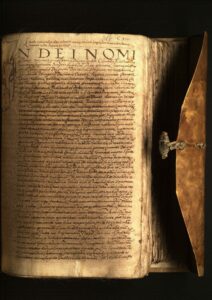
Sale of the jurisdiction of Torredembarra by Charles I of Spain to Lluís d’Icart, lord of Torredembarra
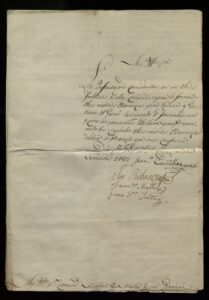
Ordinances of the Guild of Marejants of Tarragona
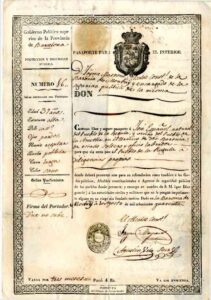
Passport for the interior (salconduit) in favor of a resident of Ametlla del Vallès to go and return to the town of La Règola (Lleida) at the end of the first Carlist war.
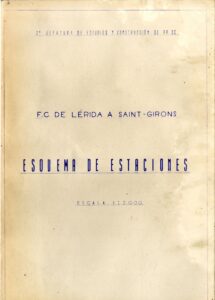
Diagram of stations on the railway line from Lleida to Saint Girons. Transpyrenenc Central
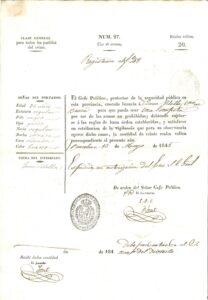
Arms license granted to Joan Vilella, from Brocà, by the military authorities with indication of the person’s badge
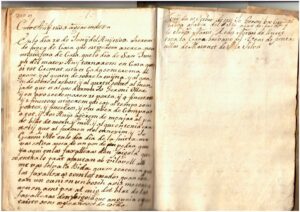
Annotation in the book Notes of the house Oller d’Esclet 16th-19th centuries
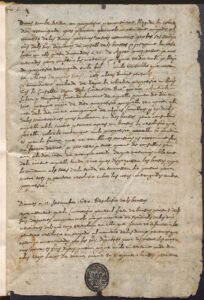
‘Diary of the Board of Arms of Catalonia’ (1640-1641)
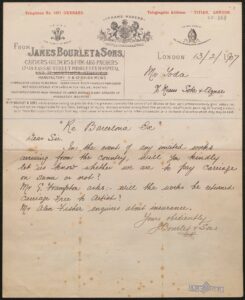
Correspondence of Eduard Toda with various correspondents for the V International Art Exhibition
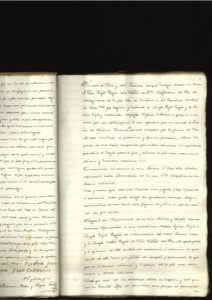
Testament of Pau Pujol, condemned to death by the French army.
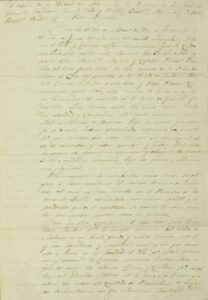
Deed to build a flour boat mill located in the “pas vell” lot.
![[Fragmented nautical atlas of the Mediterranean and the Atlantic coasts of Europe and North Africa]](https://catalunyapaisdarxius.cat/wp-content/uploads/2025/10/RM.248429_001-thumbnail-224x300.jpg)
[Fragmented nautical atlas of the Mediterranean and the Atlantic coasts of Europe and North Africa]
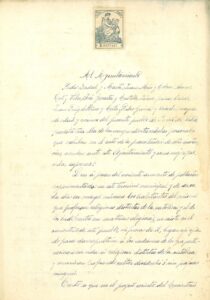
Petition for interfaith cemetery
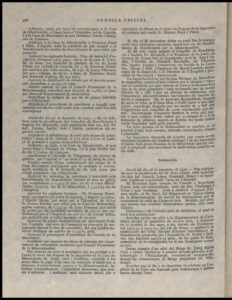
“Official chronicle of the Commonwealth of Catalonia”
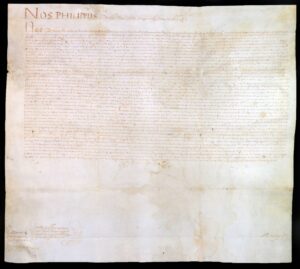
License granted by Didac Hurtado de Mendoza i de la Cerda, captain general in the principality of Catalonia, to trustees Jaume Bruguera, of Dosrius, and Joan Galceran, of Canyamars
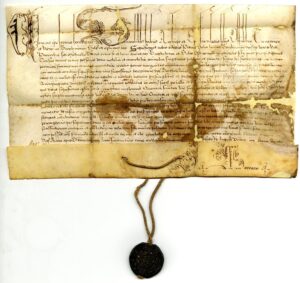
Bull of Pope Clement VIII
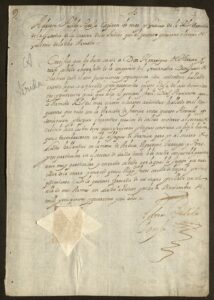
Certificate of honor and valor of the soldier Enric de Herrera i Tarsies for the help he gave in Lleida
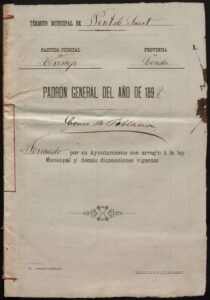
General register of inhabitants
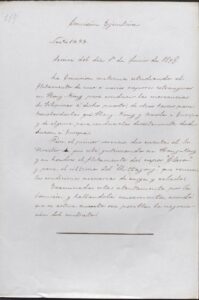
War with the United States of America and Philippine insurrection (1898). Deliberations of the governing bodies of the Company (26.4.1898 – 22.4.1899)
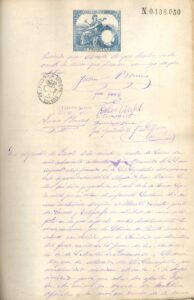
Minutes of the meeting documenting the request for a post office
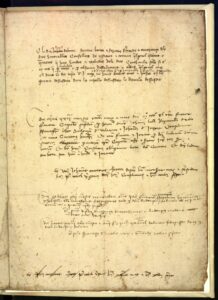
Instruction manual for making dyes and sample of prints
![Papal bull Pope Urban VIII License to marry Elisabet Vallmajor despite the 3rd degree of kinship with [Joan Galceran].](https://catalunyapaisdarxius.cat/wp-content/uploads/2025/10/ACM70-172-T2-113_001-thumbnail-300x212.jpg)
Papal bull Pope Urban VIII License to marry Elisabet Vallmajor despite the 3rd degree of kinship with [Joan Galceran].
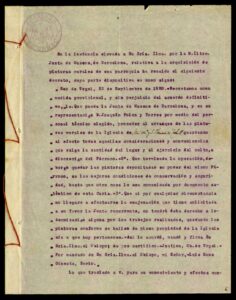
Transfer of the Romanesque wall paintings of Santa Maria and Sant Climent de Taüll and Sant Joan de Boí (01/01/1920-31/12/1920)
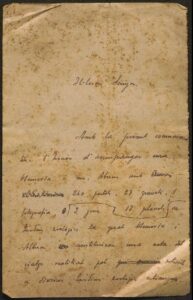
Report presented to Barcelona City Council as a result of a trip made as a pensioner to the main Zoological Parks in Europe (January 1921).
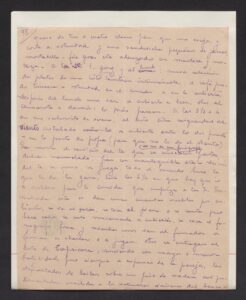
“Travel impressions”. Journal of the trip to the Philippines by Francesc Galera y Cuyàs, commercial of the Compañía General de Tabacos de Filipinas (27.01.1917 – 30.04.1917)
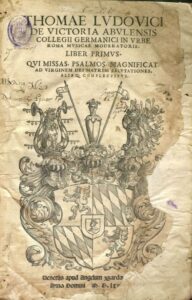
Thomæ Ludovici de Victoria abulensis… : Liber primus : qui missas, psalmos, magnificat ad Virginem Dei Matrem salutationes, aiaque complectitur
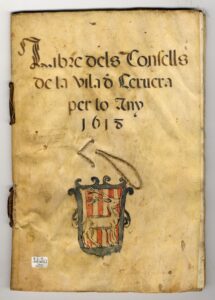
Advice book
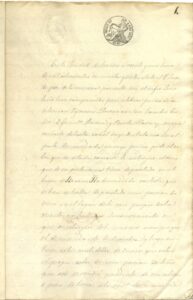
Acts of conciliation
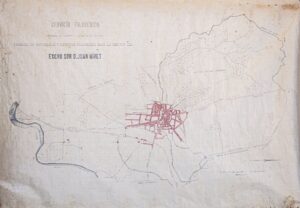
Filoxérico service. Exploration and extinction work carried out under the direction of the late brother D. Juan Miret
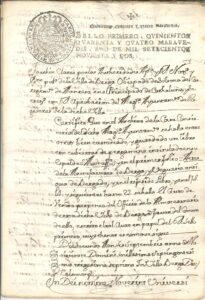
Copy of the deed of perpetual sale of the mostaçaferia office of the town of Berga in favor of the municipality and university of the town
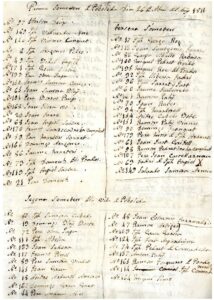
List of those participating in the submission by order of April 23, 1811
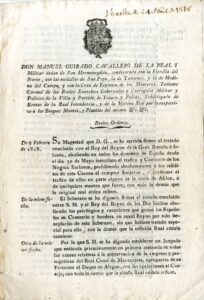
Official speech by Manuel Guirado, corregidor of Talarn, on the agreement with the United Kingdom of Great Britain for the prohibition of the slave trade and other regulations
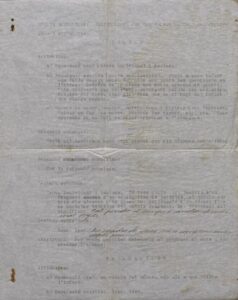
MONTESSORI SCHOOL INSTRUCTIONS FOR READING, WRITING AND ARITHMETIC TESTS. 1922
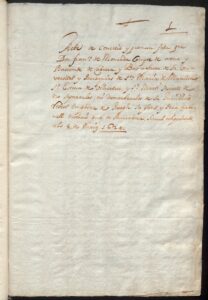
Francisco de Montcada, Count of Osona and Viscount of Cabrera i Bas, grants to the university and parishes of Santa Maria de Manlleu, Sant Esteve de Vilacetrú and Sant Martí Sescorts that he will never separate them from his jurisdiction
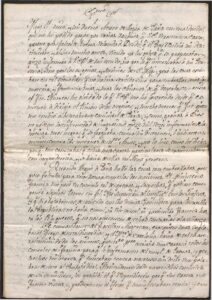
Report of the Spanish ambassador in Paris José Nicolás de Azara y Perera, 1st Marquis of Nibbiano, where he testifies to the coup d’état of 18 Brumaire (9 November), executed by Napoleon Bonaparte (26.11.1799)
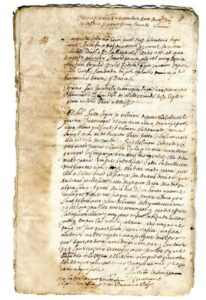
Inquisitio against Joana Parés, widow of France accused of witchcraft
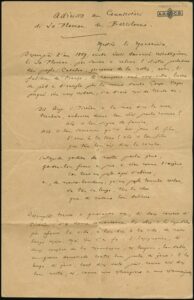
Letter from Frederic Mistral to the Consistory of the Floral Games of Barcelona
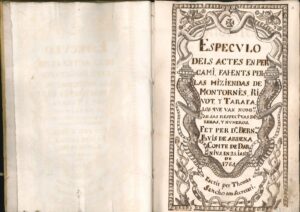
SPECULO OF 1764 OF THE MONTORNÉS LINEAGE
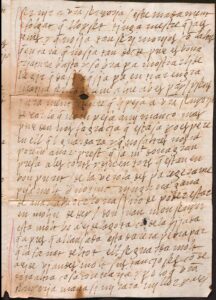
Correspondence between Estefania de Requesens i Roís de Liori and her mother Hipòlita Roís de Liori i de Montcada, countess of Palamós (1533-1541)
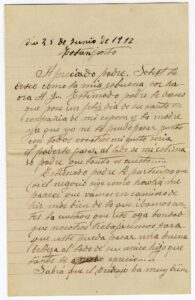
Letter from Leonardo Vidal to his father Pere Vidal Gallart about his work at Estany Gento
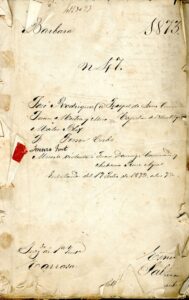
Summary for the violent death of two Carlin prisoners in an alleged attempt to escape in the municipality of Barberà while they were being transferred from Cerdanyola to Sabadell
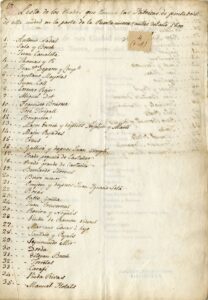
List of the meadows that the painting factories of this city had in the Puerta Nueva part before the year 1800
![[Japanese title: The right column must be maintained. If you're not careful, you'll be in trouble. "Work with a joyful heart"]](https://catalunyapaisdarxius.cat/wp-content/uploads/2025/10/ANC1-101-N-726_001-thumbnail-222x300.jpg)
[Japanese title: The right column must be maintained. If you’re not careful, you’ll be in trouble. “Work with a joyful heart”]
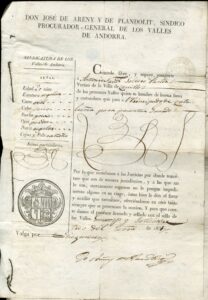
Passport issued by the Síndic Procurador de les Valls d’Andorra to a farmer to go to the Principality of Catalonia to fish his flock in 1831
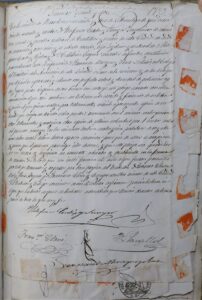
Testament of the engineer Ildefons Cerdà i Sunyer