The history of Catalonia is a faithful reflection of the history of Western Europe, of which it has been an inseparable part since the times of Romanization. The documents preserved in the Catalan archives, from the first writings of the 9th century to the present day, are a mirror of European civilization, testifying to the evolution of its values, forms of government and economic and social dynamics over the centuries. This trajectory connects Catalonia with the great processes that have shaped the continent, from the Carolingian era to the current project of the European Union.
Parchments
Parchment – usually made from sheep, goat or calfskin – and vellum – a finer variety specifically made from calfskin – were the writing materials par excellence in mediaeval Catalonia. Their extraordinary durability and flexibility made them the ideal medium for the most valuable and enduring documents. Used for a wide range of records, from charters of privileges to other legal documents, they were also the main medium for the creation of religious texts, such as illuminated Bibles. As a result of their resistance, thousands of parchments have survived until the present day, making them a vital source for the study of mediaeval history.
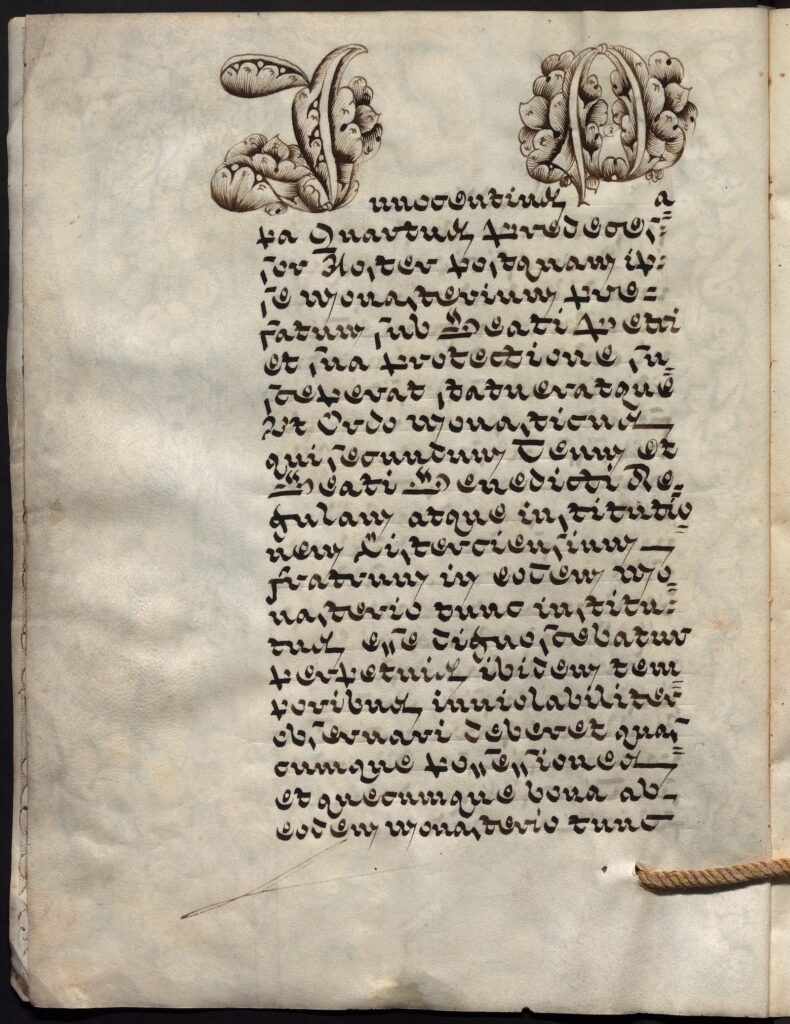
Original bull and transsumpt of the union made by the priory of Sant Genís de Bellera to the monastery of Lavaix by Pope Benedict XIV
Original bull on vellum parchment with hanging lead papal seal. Response to the request made by the abbot and monastery of Lavaix for the union of the priory of Sant Genís de Bellera with the monastery of Santa Maria de Lavaix, due to the abuses committed by the priors who [...]
Paper manuscripts
Although paper was used in China long before in Europe, its introduction and adoption in Catalonia spread significantly in the late Middle Ages. This new medium gradually came to supplement parchment, especially for records requiring large volumes or more efficient production. Its comparatively lower cost and the ease with which it could be mass produced meant merchants were quick to embrace paper for their account books, correspondence and daily records. Paper manuscripts marked a turning point in the democratization of writing and document production.
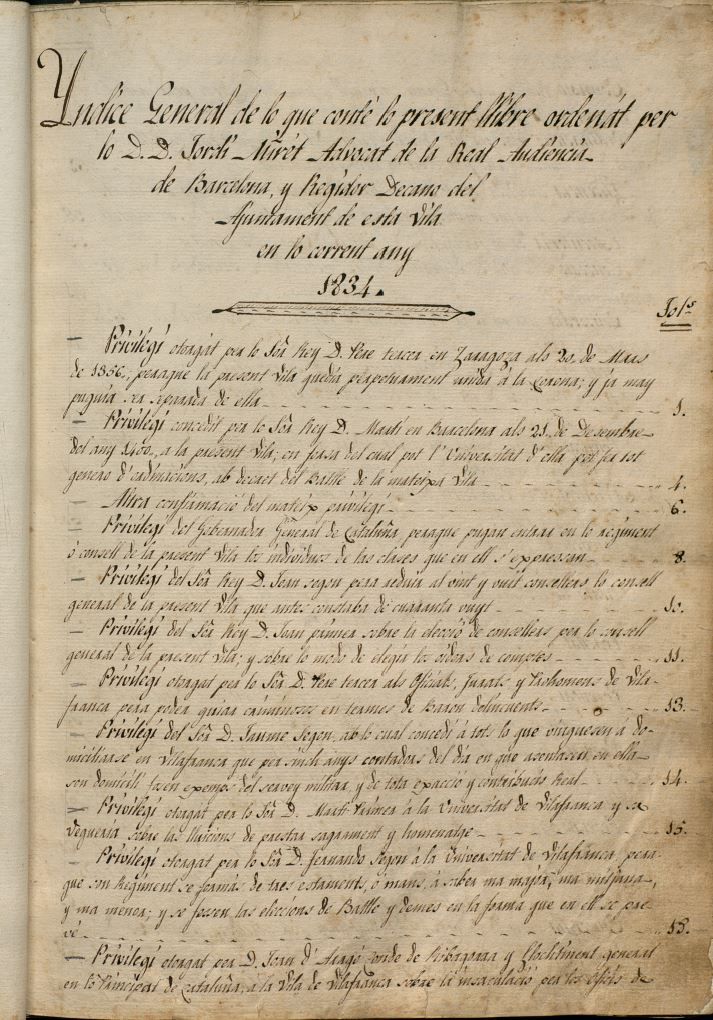
Green Book of Vilafranca
Manuscript volume on paper, 450 folios of 36x27cm with black leather covers and silk guards printed in gold and green. Probably compiled by the notary Pere Guasch (active between 1580 and 1628) on the occasion of the Courts of 1599 and continued from that date. There are also parts attributable to [...]
Incunabula, printed books and handbills
In the mid-15th century, Johannes Gutenberg invented the movable-type printing press, revolutionizing the dissemination of knowledge and production of documents. Incunabula are books printed prior to 1 January 1501, the earliest results of this new technology. Thereafter, the production of printed books was standardized and became more widespread, enabling the creation of multiple identical copies of the same text with unprecedented speed. At the same time, handbills increasingly became an effective means of rapid communication: printed on just one side, they were used for urgent news, official announcements and political propaganda.
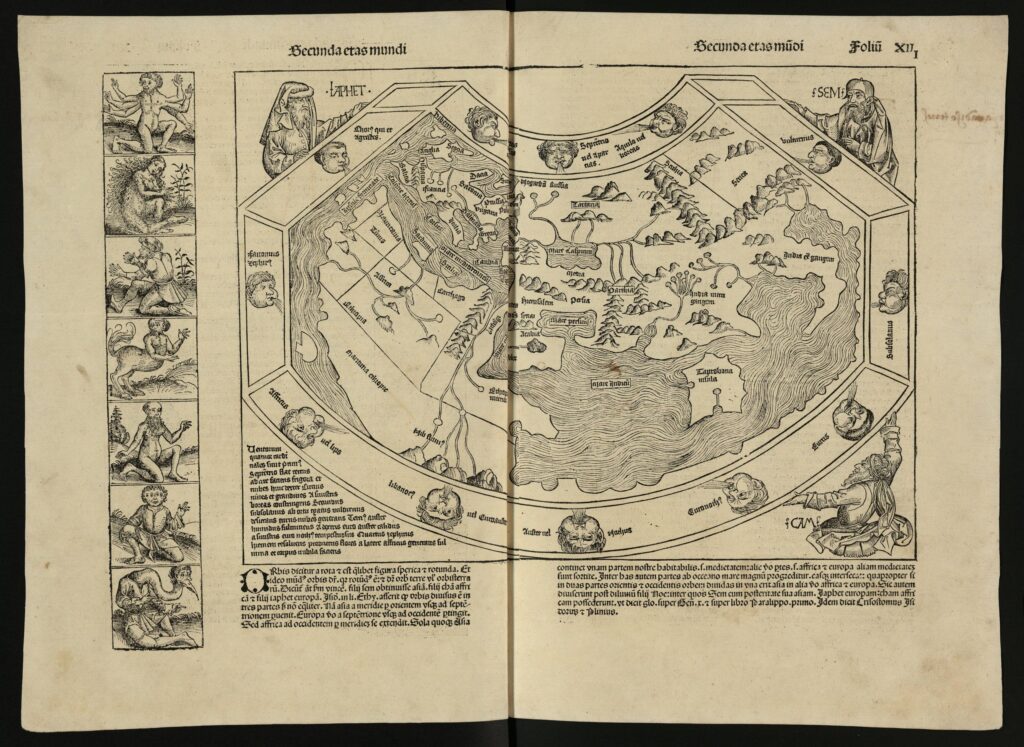
Registrum huius operis Libri cronicarum : cu[m] figuris et ÿmagi[ni]bus ab inicio mu[n]di
This document is an illustrated universal chronicle that narrates the history of the world from creation to the Middle Ages. Its uniqueness lies in the combination of text and image, which makes it a pedagogical tool and the dissemination of historical knowledge. It is a valuable source for understanding the [...]
Cartography
Whilst rudimentary representations had existed in earlier eras, in the modern age, cartography underwent exponential development as a result of advances in surveying techniques and increased geographical precision. Maps became crucial documents for navigation, essential for charting routes and exploration, military strategy and the planning of campaigns and fortifications, and territorial management and urban planning. Whereas once maps had to be hand-drawn in great detail, the advent of printing enabled their reproduction and dissemination on a large scale. Today, these documents are essential for understanding how territories have evolved over time.
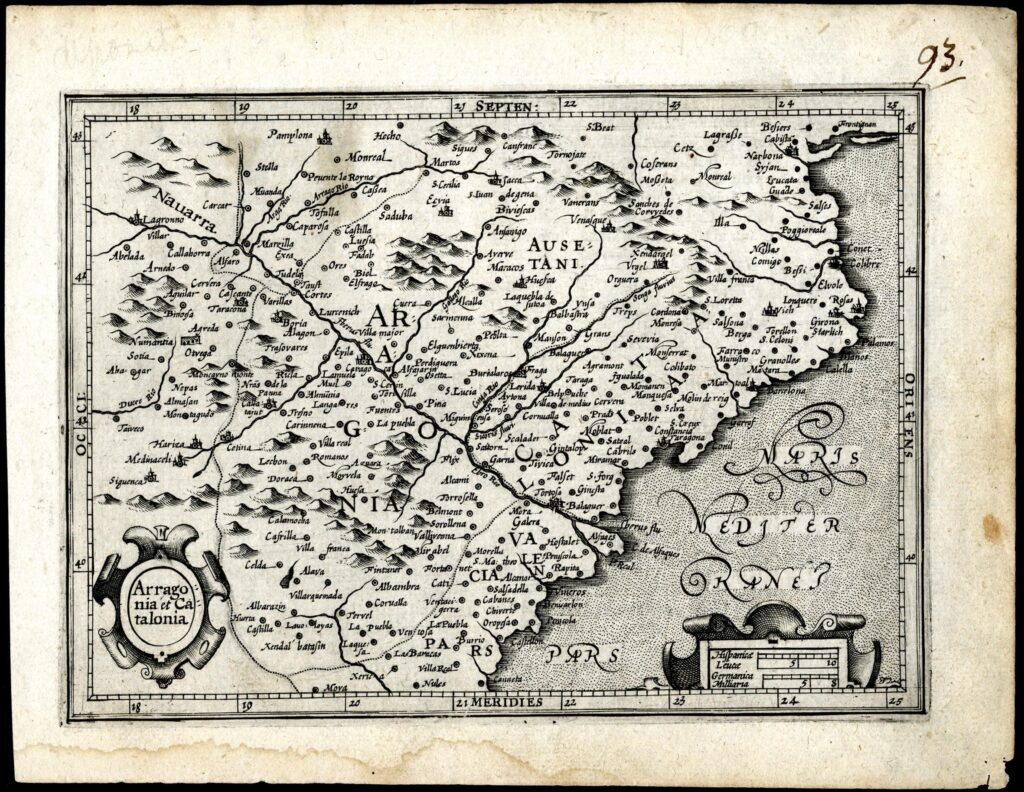
Map of Catalonia and Aragon. Possibly published in “Atlas minor” by Gerardus Mercator
This map, possibly published in Gerardus Mercator’s Atlas minor, is a sample of 16th century European cartography. It reflects the territorial representation of Catalonia and Aragon in the context of the geographical knowledge of the time. It is a valuable source for the study of the perception of the territory [...]
Administrative documents
The consolidation of the power structures of the Crown of Aragon, the Generalitat [the Catalan government] and, especially, the towns and municipalities gave rise to a growing need for systematic and organized record systems to ensure efficient management of the territory and public life. This practice was standardized across all areas, including all manner of demographic records, as well as censuses, which were essential for managing the population and taxes. The municipal council proceedings recorded uninterruptedly for centuries, in addition to the documents generated by trade guilds and resulting from merchants’ economic activity, among others, are also especially important.
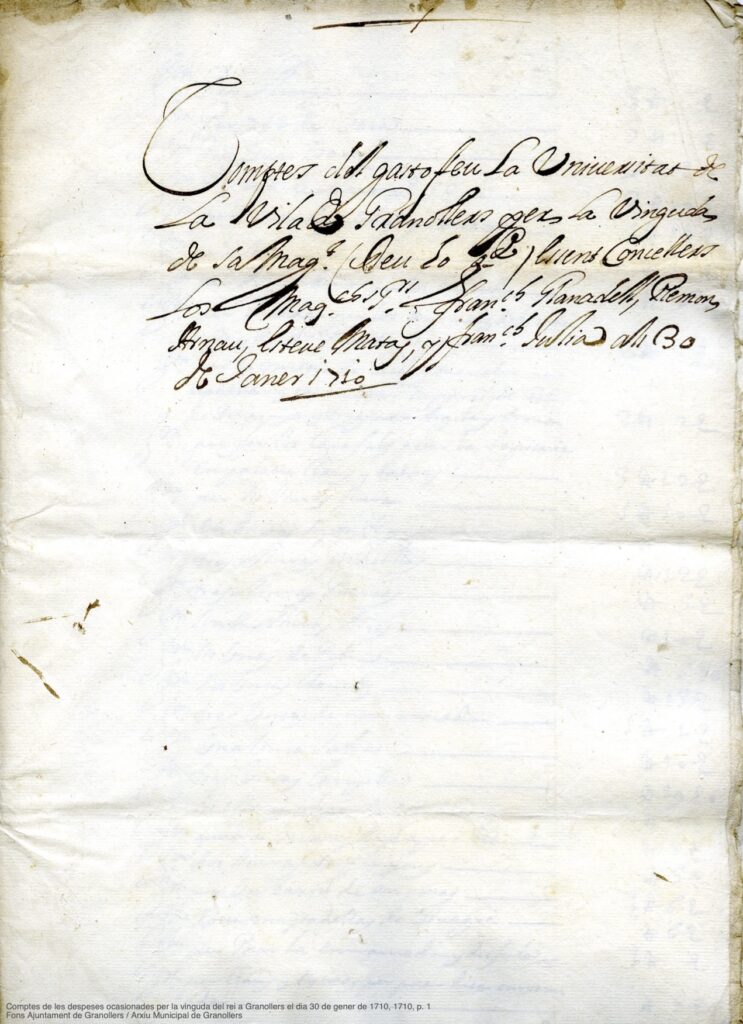
Accounts of the expenses incurred by the arrival of Archduke Charles of Austria to Granollers on January 30, 1710
Document from the 18th century, within the documents of the University of Granollers, within the classification of documents relating to the economic regime of the University. It allows us to know that Archduke Charles of Austria was in Granollers on January 30, 1710, during the War of Succession. Pretender to [...]
Drawings
Drawing has existed as a form of visual expression since time immemorial. In the context of archival documents, it takes on extraordinary added value due to its ability to convey complex and detailed information graphically. Drawings can be used for many purposes, ranging from artistic to technical, from preliminary sketches for works of art or innovative designs to complete illustrations in manuscripts or books from private collections. They are fundamental documents for understanding creative processes, project development and the evolution of design and engineering over the centuries in modern and contemporary Catalonia.
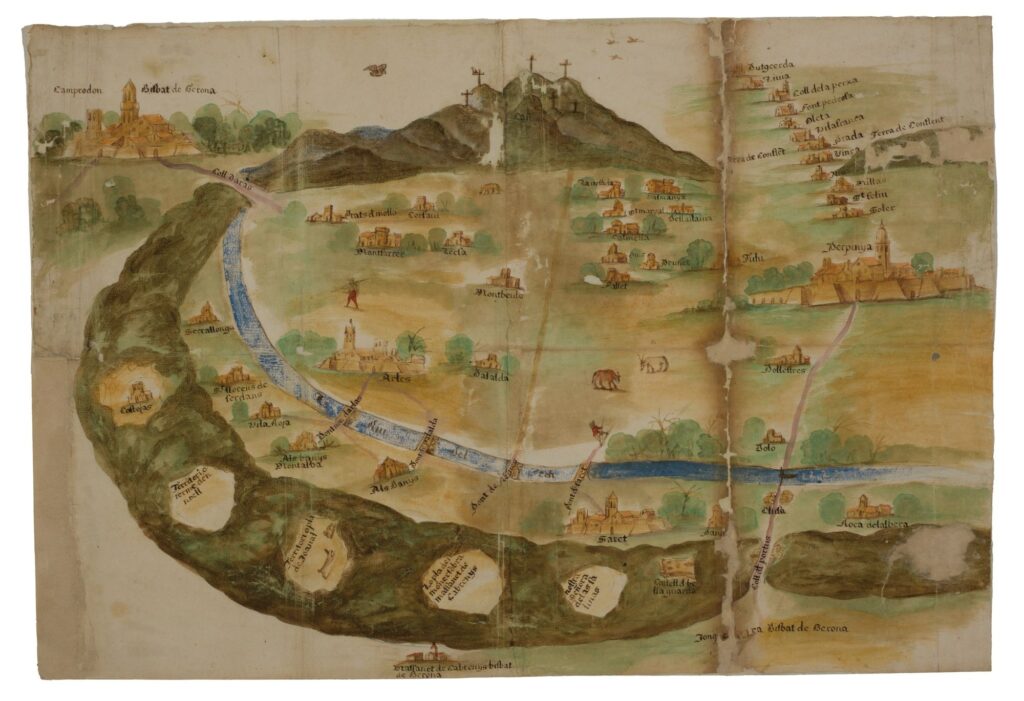
“Plant of said land of Vallespir” (Morbo. Ordinaciones de los jurados in the plague from 1630 to 1632)
The document is an example of how phenomena of European scope affect local communities. In this case, the strategies that many local communities took in the face of medieval and modern plague outbreaks, epidemics that knew no borders. In addition to the demographic ravages they brought, the measures to deal [...]
Photography
The advent of photography in 1839 revolutionized visual documentation, introducing a new and previously unimaginable ability to capture reality objectively and instantaneously. The earliest photographic processes, such as daguerreotypes, opened the doors to a new type of record consisting of static images of people, landscapes, social events, armed conflicts and urban transformations. Over time, photography evolved into more accessible and mass-producible formats, such as paper prints and negatives. Photographic collections are documentary heritage of incalculable value, offering first-hand, visual accounts of history, culture and everyday life, providing a unique perspective on the past.
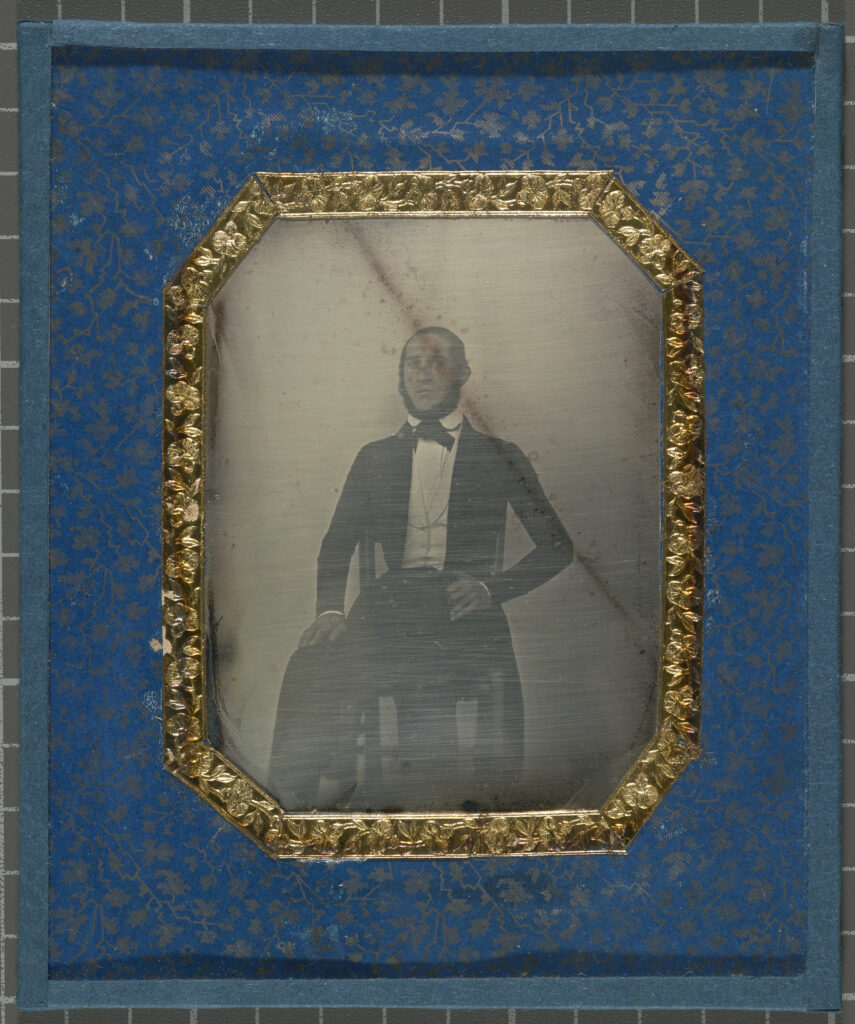
Studio portrait of notary Joan Carrera Busquets sitting in a chair.
This daguerreotype, one of the first photographic testimonies preserved in Catalonia, portrays a notary from Girona in the mid-19th century. Its presence in the virtual exhibition adds a unique visual dimension to the Catalan documentary heritage, complementing the texts with a real image of a key agent in the legal [...]
Sound recordings
In the late 19th century, the invention of the phonograph and subsequent development of recording technologies made it possible, for the first time, to capture and reproduce sound, opening up a new dimension in the preservation of information and cultural heritage. Sound recordings were first (tentatively) included in archives as a new type of document capable of preserving speeches by historical figures, musical performances and oral history accounts. Initially created with wax cylinders and phonograph records, and later on magnetic tapes and other media, these documents enable researchers and the public at large to access the voices, music and soundscapes of the past directly.
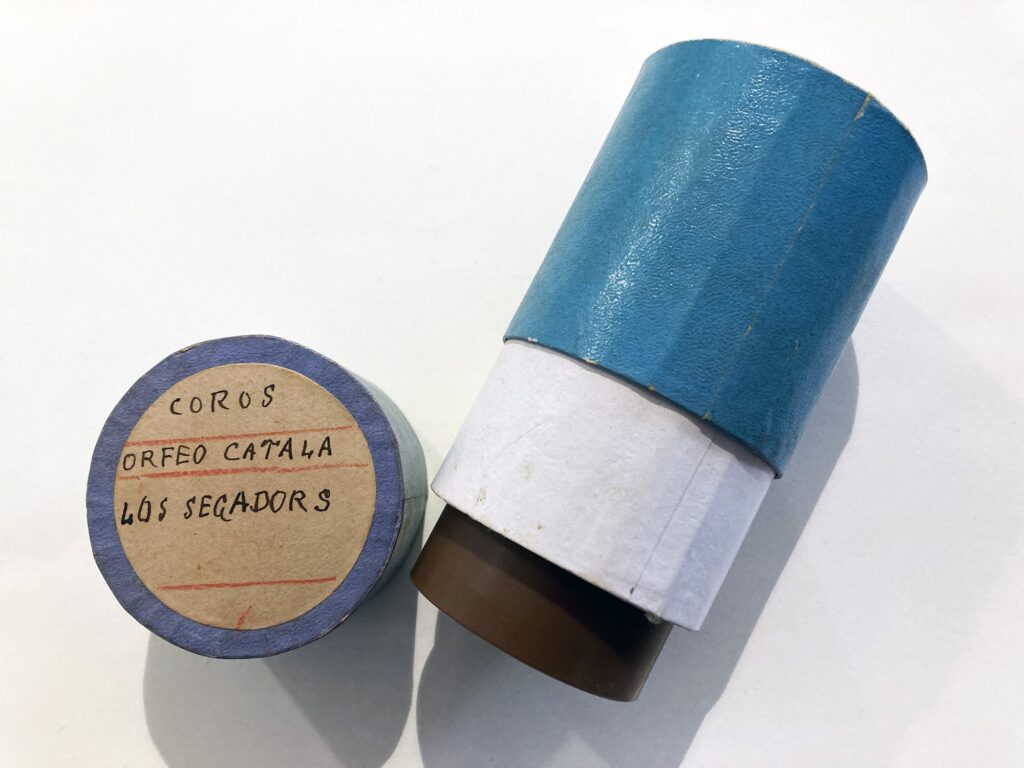
“Catalonia great county, who has seen you so rich and full, now the king our lord, has declared war on us”, with arrangements by Lluís Millet
This recording is one of the first sound versions of what would become the national anthem of Catalonia. With arrangements by Lluís Millet, the piece evokes the collective memory of a town that, despite repression, keeps its identity alive. The document is testimony to the strength of music as a [...]
Films
The advent of cinematography in the late 19th century ushered in the era of the moving image, a type of document that completely transformed how history was recorded and experienced. Films made it possible to capture events in real time, offering the ability to document actions dynamically and narratively. These documents include the earliest documentary films, which recorded everyday life, newsreels reporting on society at home and abroad, and fiction films reflecting contemporary culture and creativity, as well as home recordings.
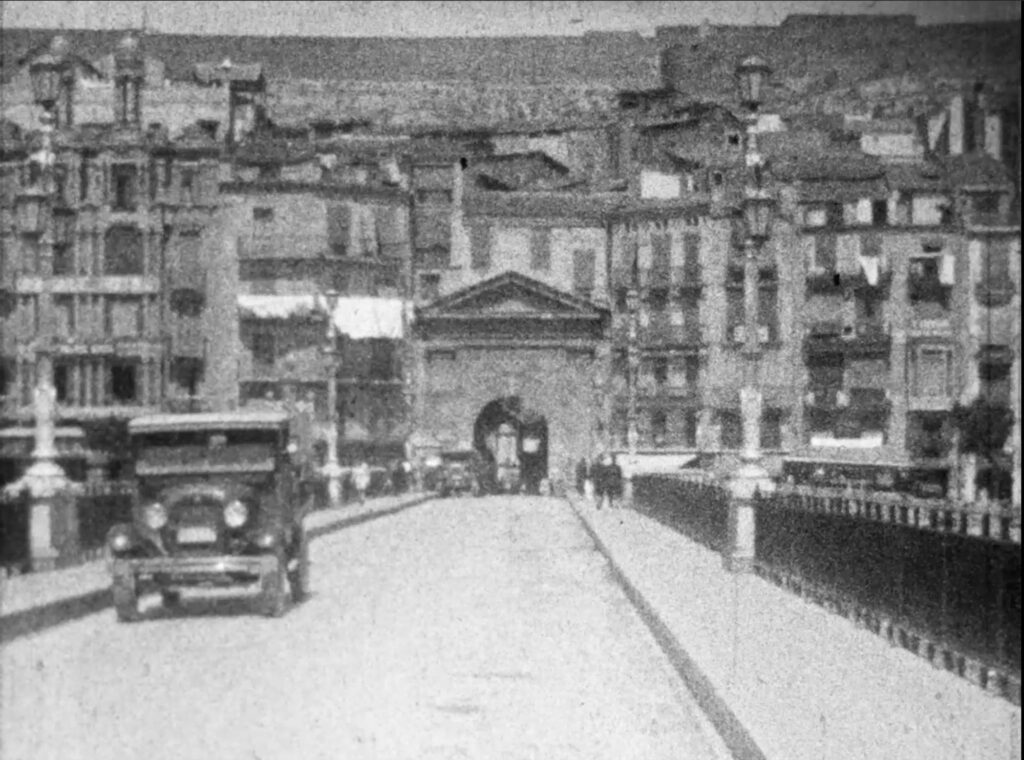
Excursions in Catalonia. Lleida
The amateur film “Excursions per Catalunya. Lleida”, filmed in 1930, is the first audiovisual document preserved in the Municipal Archives of Lleida. This film shows everyday scenes and landscapes of the city, and constitutes an exceptional visual testimony of the urban and social life of the time. The document reflects [...]
Digital / electronic archives
This is the predominant means of document creation and management today, and its importance continues to burgeon. This vast and complex category includes all documents directly created in digital format, that is, that never had an original physical format. These archives pose the greatest challenge for 21st-century archival science. The rapid obsolescence of formats, the software used to read them and storage media requires constant planning and technological investment to ensure their authenticity, integrity and long-term accessibility. Management of these new electronic archives is vital to preserve contemporary memory.
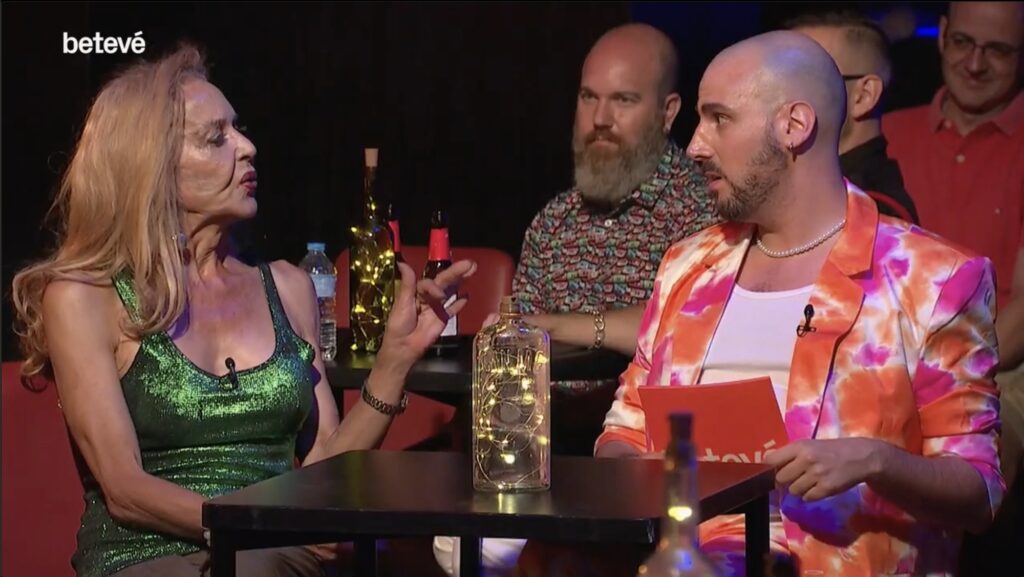
Interview with Silvia Reyes Plata
The interview with Silvia Reyes Plata, trans activist and pioneer of the LGBTI movement in Catalonia, is an essential oral document to understand the struggle for civil rights in Spain. Recorded in 2023 as part of the Room 910 project, Silvia narrates her arrival in Francoist Barcelona in 1971, the [...]