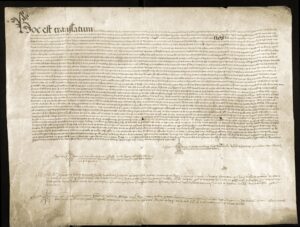
PARCHMENT 1437
Ramon d’Illa and Guillem de Centenys give Pere de Bac and Ramon d’Aulina a piece of land located in Serinyà.
The town of Borges Blanques creates a census in favor of Gabriel Ballestar, from Artesa de Lleida
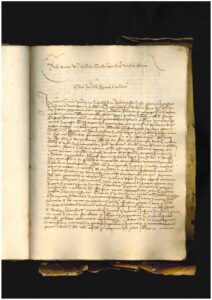
The community of nuns of the monastery of Sant Pere de les Puel·les, gathered in chapter in the chapter house of the monastery, chooses Mrs. Agnès de Corbera as the new abbess
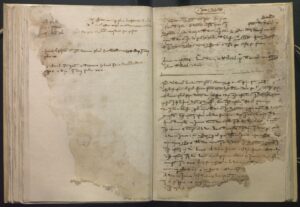
Book of Crimes
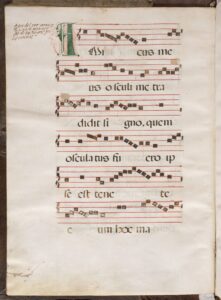
Page of the 16th century antiphonary of the monastery of Sant Pere de les Puel·les with instructions on the singing and the intervention of the singing nuns
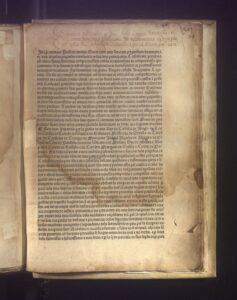
Guadalupe arbitration ruling promulgated by King Ferdinand II of Aragon ending the conflict between the lords and the farmers of Remença.
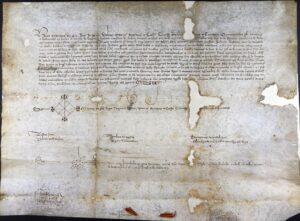
Privilege of Martí l’Humà in which he grants, in perpetuity, the right of free passage through the places and towns of l’Arboç and Vilafranca del Penedès to the prohoms and the inhabitants of the castle and the district of Banyeres del Penedès.
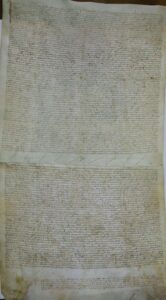
Agreement between the bishop of Urgell and the universities of the Honor of Galliner with the noble Ramon Roger d’Orcau on terms due to the employment
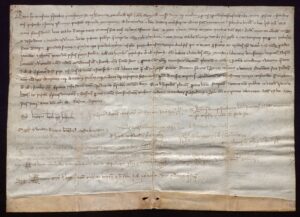
The bishop of Barcelona Berenguer de Palou grants Maria de Pisa and her sisters full authority to build a monastery under the rule of the closed poor ladies of Sant Damià.
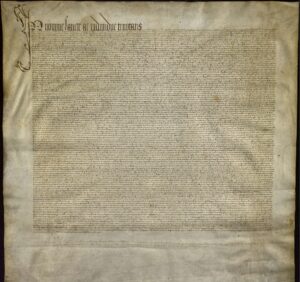
Consultation of builders and approval of the continuation of the Cathedral of Girona with a single nave
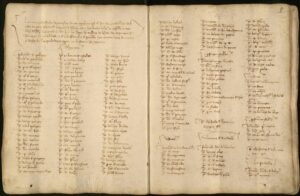
Carving of royal places in Catalonia
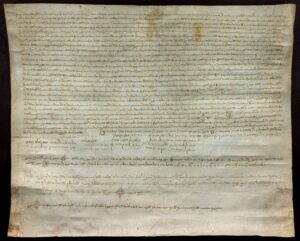
Ramon de Bell-lloc and the Jews of Call de Barcelona agree on the terms of use of the Jewish oven.
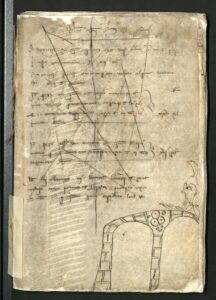
Account book of the construction of the Pont de Sant Martí, over the Querol River, at the border of the terms of Puigcerdà and Guils de Cerdanya.
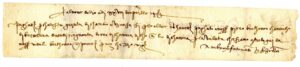
Italian bill of exchange
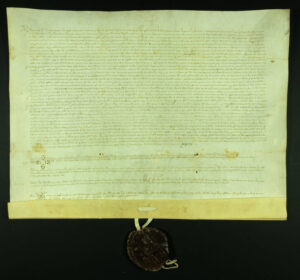
King Pere the Ceremonious dictates a ruling in the conflict between the fairs of Tàrrega and Vilagrassa, establishing that the fair of Vilagrassa begins with the festival of All Saints and lasts ten days, freeing during this period whoever brings goods from it and under penalty of 100 morabatins of gold to merchants who sell beyond this fair period of ten days.
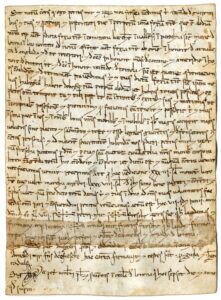
Sale of a parcel of land made by Pere Mir in favor of Ramon de Gorchs, located in Llerona (les Franqueses del Vallès), in the place called La Riera.
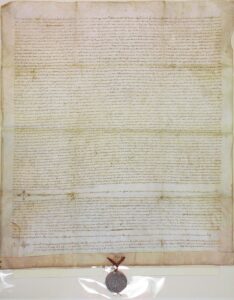
Minutes of the General Court of Catalonia held in Cervera in 1359
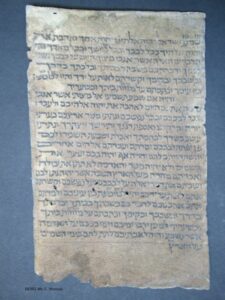
Mezuza of the house on Carrer de la Força, n. 15, in Girona’s Jewish Quarter
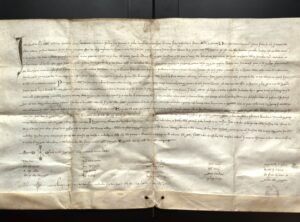
Foundation privilege of the General Studies of Lleida.
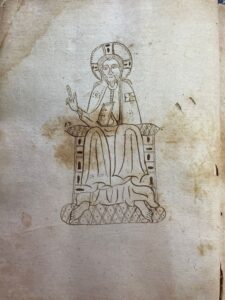
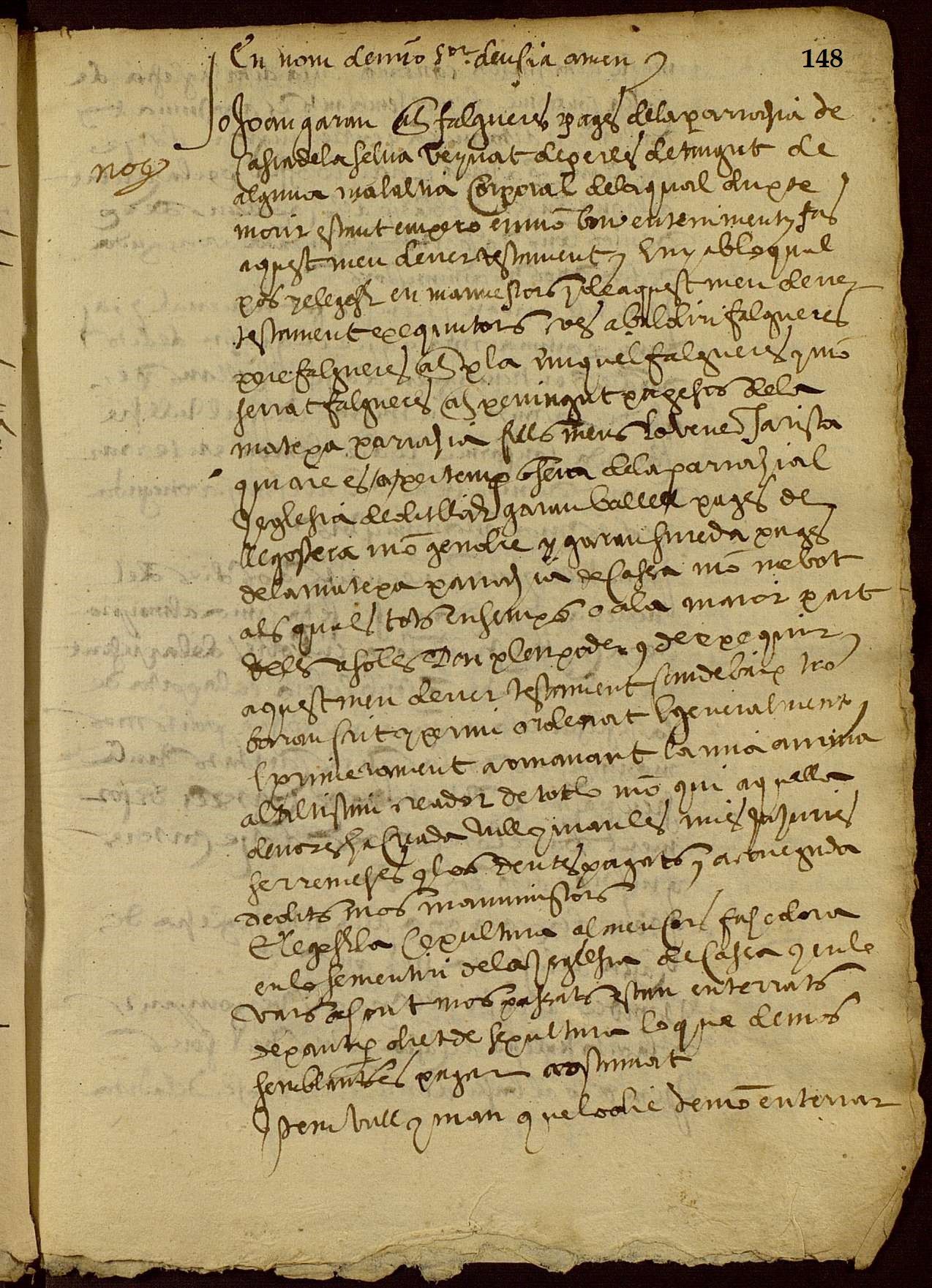
Book of notarial protocols with the drawn pantocrator
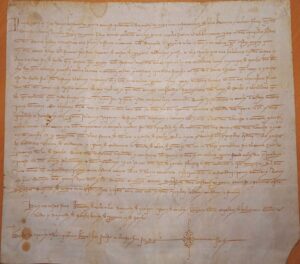
Definition made by Làscara, countess of Pallars, and Ramon d’Urg, testamentary guardian of the daughters of the counts of Pallars, to Ramon de Peguera, knight, of the protection that count Arnau Roger gave him of the castle of Peguera
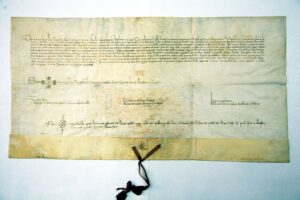
fair King Pere the Ceremonious grants the town of Tremp a fair for Santa Caterina and a fair for Sant Vicenç
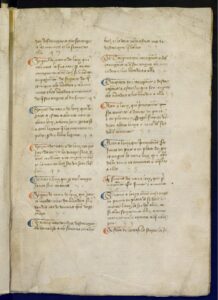
Book of the Consulate of the Sea
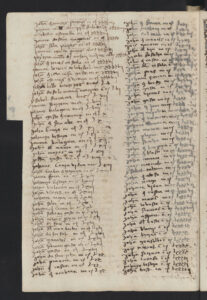
Book of sick tickets. 1484-1492
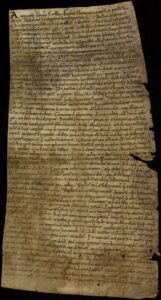
Constitution of Peace and Truce
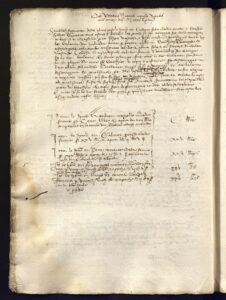
Insurance contract for the risk of death at the time of childbirth of a pregnant slave
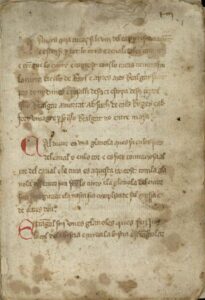
Hypiatry treatise
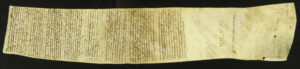
Constitutions of peace and truce of God promulgated by the Synod of Vic. Copy from the second half of the 11th century.
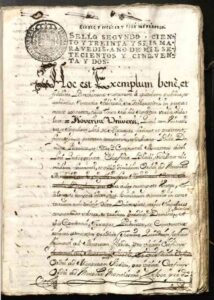
Arbitral ruling made by Il·lm.. Dª Catharina de Vilanova, prioress of the monastery of Alguayre on November 12, 1499. Copy of 1752
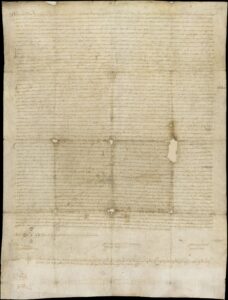
QUERIMONIA
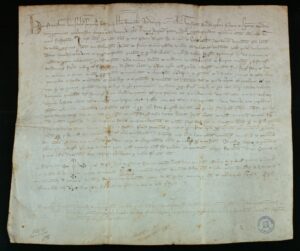
King Peter the Catholic grants Valls the privilege of holding a weekly market every Wednesday, on 28/11/1210. The original has not been preserved but a transfer from the notary Arnau Artús dated 10/19/1346 is
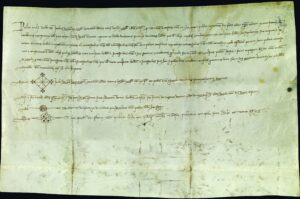
Privilege of Paeria
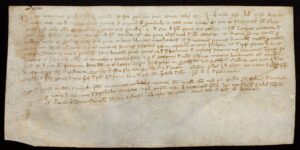
Parchment 001 of the Curia of Torelló Castle. Establishment contract
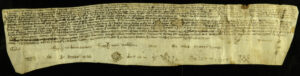
Ramon Arnau sells to Jofre, priest, an alluvium that he has as a donation from Salomó and Senior, located in the county of Urgell, in the valley of Cabó, in the appendix of Santa Maria, with fruit trees that are listed, for 30 sous.
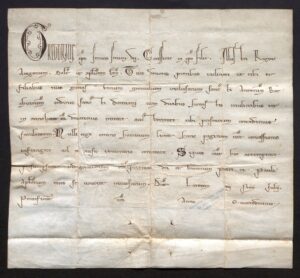
Pope Gregory IX grants Queen Violant of Hungary and her daughters the right to enter the monastery of Sant Antoni and Santa Clara in Barcelona.
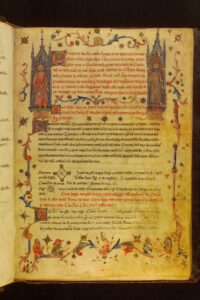
Book of Privileges of Cervera
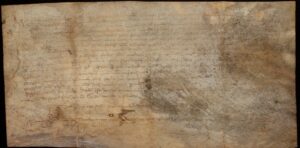
Receipt of Vimbodí’s contribution to the coronation of King Martí I (Martí the Human)
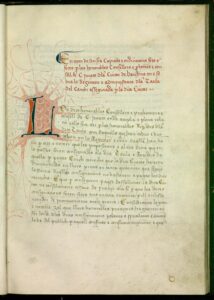
Ordinances of the Exchange Table of Barcelona
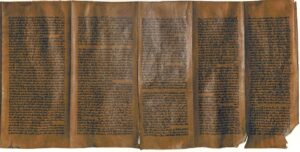
The Torah of the Noguera Regional Archive
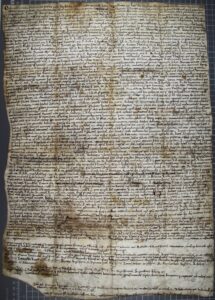
Testament of Pere Clergue from 1218
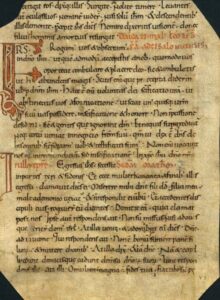
Manuscript folio of a fragment of a Lliçoner, 11th century
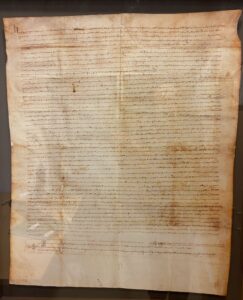
Testament of Ramon de Terrades, merchant from Vic, who gave all his property to found a hospital for the poor. Origin of the Hospital de la Santa Creu.
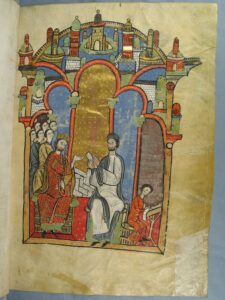
Liber Feudorum Maior
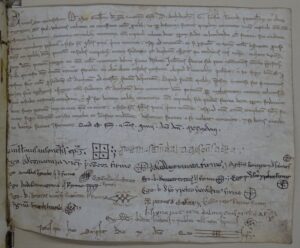
Agreement of the bishop and the chapter of Vic so that the canons who want to go to study in Lombardy or in France continue to collect the incomes that correspond to them

Ordinances granted by King Peter II at the General Court of Barcelona in 1283 that make special reference to the treatment to be given to the Jewish community (1283, December 21)
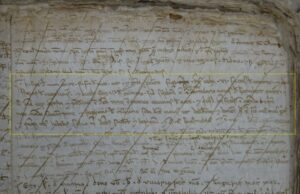
Request from Berenguer Fi to Pere Ferrer regarding cotton and spices loaded on Serubert Porre’s ship in the port of Acre
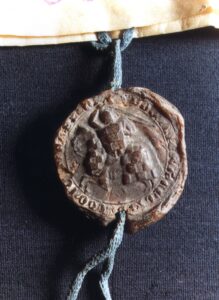
Seal of Count Armengol X d’Urgell
![Terms of sale of 6 mules and mules delivered by Joan de les Combes, merchant, from the place of Sant Irie [Sent Iriès/Saint Yrieix-la-Perche], diocese of Llemotges, to 5 farmers from the district of Olot i Batet.](https://catalunyapaisdarxius.cat/wp-content/uploads/2025/10/CAT-ACGAX-140-9-T2-8-_001-thumbnail-scaled-1-212x300.jpg)
Terms of sale of 6 mules and mules delivered by Joan de les Combes, merchant, from the place of Sant Irie [Sent Iriès/Saint Yrieix-la-Perche], diocese of Llemotges, to 5 farmers from the district of Olot i Batet.
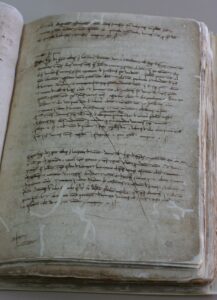
Capbreu first of Bertran acolyte, notary of Terrassa.
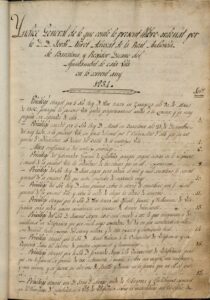
Green Book of Vilafranca
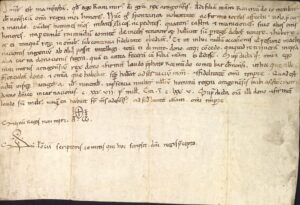
King Ramir II of Aragon gives his daughter Peronella as wife to Count of Barcelona Ramon Berenguer IV, along with the entire kingdom of Aragon.
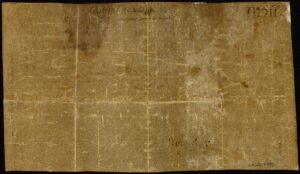
Donation by Guillem de Torroja, bishop of Barcelona, to the Monastery of Sant Cugat.
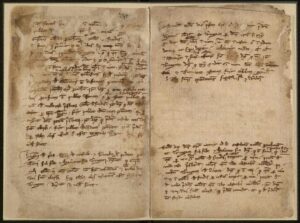
Pastoral visit of the Bishop of Girona, Bernat de Vilamarí, to the parish of Sant Esteve de Sords.
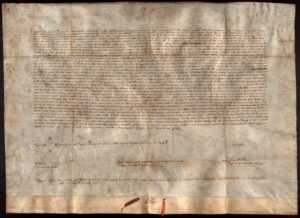
Privilege of King John I of 1395
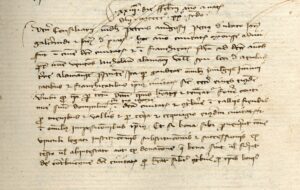
Payment of part of the municipal taxes to Nicolau Alamany, from the town of Embach, in German lands
![Joan [de Baufés], bishop of Osca, consecrates the church and altar of Sant Pere [de Salàs de Pallars], by authority of Galceran [de Vilanova], bishop of Urgell.](https://catalunyapaisdarxius.cat/wp-content/uploads/2025/10/1073-CAT-XXX-BARCELONA-BIBLIOTECA-DE-CATALUNYA-Perg-475-Reg-1948_001-thumbnail-300x74.jpg)
Joan [de Baufés], bishop of Osca, consecrates the church and altar of Sant Pere [de Salàs de Pallars], by authority of Galceran [de Vilanova], bishop of Urgell.
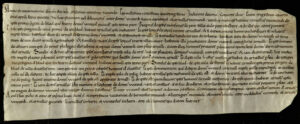
Agreement for partition of lordships between Guitard, lord of Cabó, and Arnall Ramon.
![Bifolio of Ramon Llull's "Book of Santa Maria" (1290), corresponding to the final part of chapter 24 and the beginning of chapter 25 of the work [S. XIV]](https://catalunyapaisdarxius.cat/wp-content/uploads/2025/10/0912-ANC1-75-T-284_001-thumbnail-300x245.jpg)
Bifolio of Ramon Llull’s “Book of Santa Maria” (1290), corresponding to the final part of chapter 24 and the beginning of chapter 25 of the work [S. XIV]
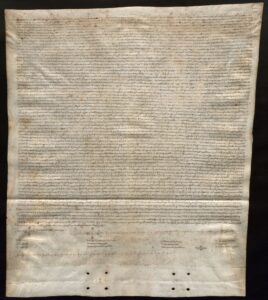
Proceedings of the General Court of Catalonia held in Barcelona under the reign of Peter II
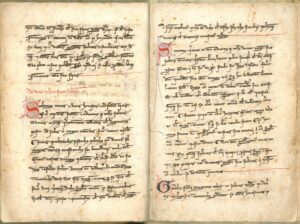
“Book of the ancient ordinations of the General Study of the City of Leyden: De vita et honestate scolarium”
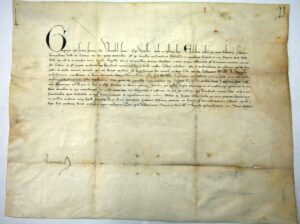
Uses and customs Pope Gregory XI confirms the uses and customs of the town of Tremp to prevent the population from emigrating
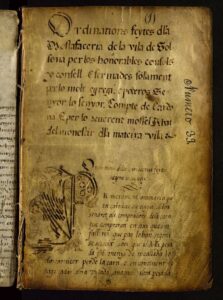
Book of Mustard.
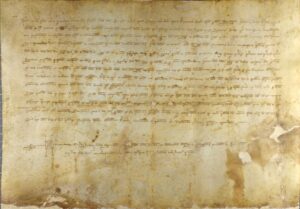
Certificate of presence granted by the notary Guillem Graner for the provision of the oath and tribute of mouth and hands of Ferrer Babot at the royal battle of Piera
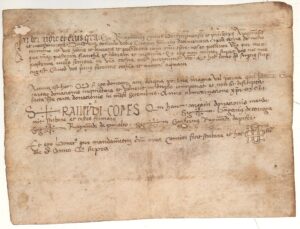
Grant of a ditch in free allod to the inhabitants of Almenar by Count Ramon Berenguer IV
![Inventory of assets, censuses, income and other rights, as well as debts, of Bernat Escard, citizen of Tarragona. [1300-1400]](https://catalunyapaisdarxius.cat/wp-content/uploads/2025/10/ANC1-1087-T-5158_001-thumbnail-275x300.jpg)
Inventory of assets, censuses, income and other rights, as well as debts, of Bernat Escard, citizen of Tarragona. [1300-1400]
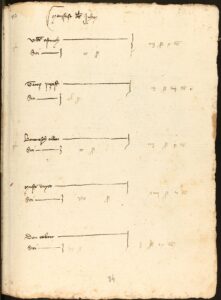
Manifesto of the Jews, in the love book of 1378
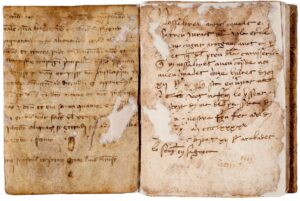
Book of notes by Pere Vallès about the butchery of Sant Cugat.
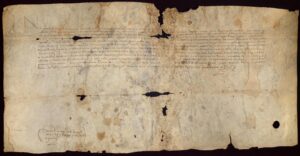
Privilege granted by King John II of Aragon in favor of Francesc de Verntallat, adviser and royal captain, with which he grants him the dignity of noble and the title of Viscount of Hostoles (1474, October, 23. Barcelona)
![Heraclius, patriarch of [the Church of] the Resurrection [of Jerusalem], requests the help of Christians (prayers, weapons, ecclesiastical ornaments, books, beasts of burden, alms, etc...) to free the city of Jerusalem from the Arabs, and grants indulgences to those who collaborate.](https://catalunyapaisdarxius.cat/wp-content/uploads/2025/10/1067-CAT-XXX-BARCELONA-BIBLIOTECA-DE-CATALUNYA-Perg-309-Reg-15211_001-thumbnail-scaled-1-270x300.jpg)
Heraclius, patriarch of [the Church of] the Resurrection [of Jerusalem], requests the help of Christians (prayers, weapons, ecclesiastical ornaments, books, beasts of burden, alms, etc…) to free the city of Jerusalem from the Arabs, and grants indulgences to those who collaborate.
Book of Jews
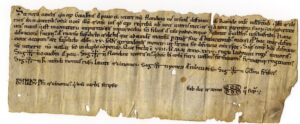
Definition that Gaubert de Pau and his wife Flandina make to Ramon, abbot of Santa Maria de Vilabertran, of the rights they claimed over half a farm located in the county of Empúries, in the parish of Calabuig, for 15 sous Girona coin
Liber Iudiciorum
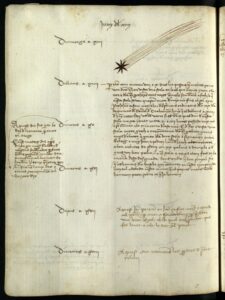
Triennium diary of the deputies of the General of Catalonia Nicolau Pujades, Marc Desllor and Jaume Francesc de Santceloni.
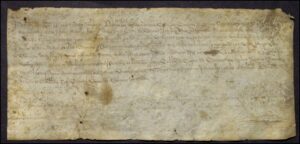
Epoch in concept of works carried out in the castle of Cassà de la Selva
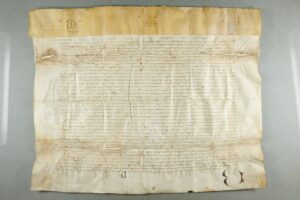
Communication from Benedict XIII to Francis Clement, apostolic nuncio, of the excommunication of the cardinals who elected Alexander V as pope
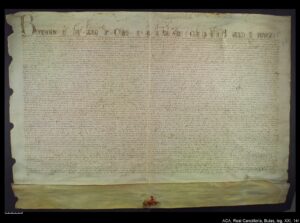
Bull “Super reges” of Pope Boniface VIII granting the kingdom of Sardinia and Corsica to King Jaume II of Aragon.
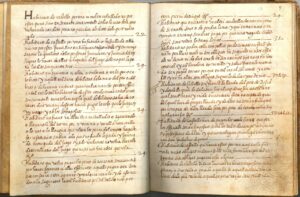
Rubric of privileges for the excellent olim sors. counts of Empuries granted to the university and individuals of the town of Castello and said county of Empuries.
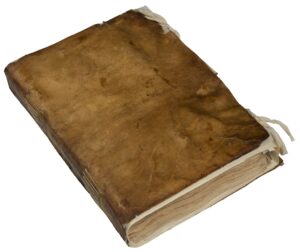
Book of the Remença Syndicate (1448)
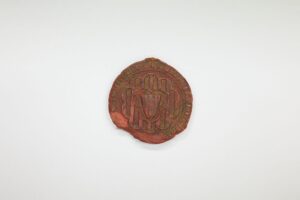
Guerau Alemany de Cervelló, governor general of Catalonia, redeems the city of Lleida and its fathers and singulars.
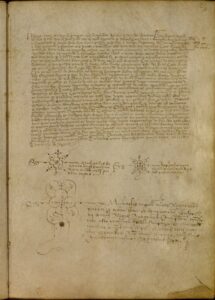
Book of privileges of the town of Granollers
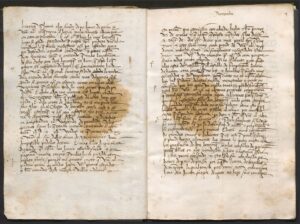
Copyist of the letters of Joan of Aragon as lieutenant of Catalonia. “Register of letters from the count of Ribagorza” or “Register of the letters that the lord count has sent to the king our lord and other things concerning the real estate” (15.11.1496 – 12.01.1499)
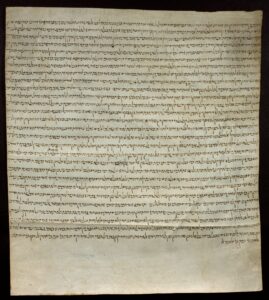
Rabbinical ruling on a dispute over real estate belonging to the Jewry of Lleida between Jewish owners in Barcelona.
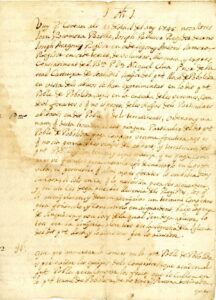
Time of Samuel Astruc Cavaller in the Falset juries
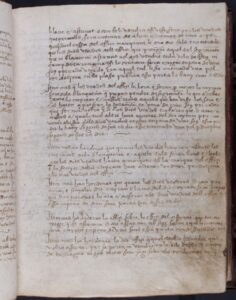
Book of the Chain
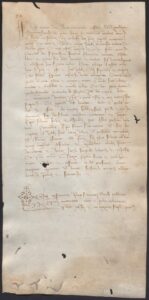
Sale of a Russian slave named Margarida granted by Francesc Ferrer, merchant of Barcelona, in favor of Pere Andreu, Catalan of Sant Feliu de Guíxols. 1432, October, 13. Venice (Rialto)
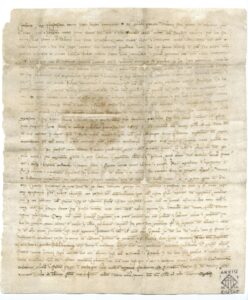
Infant Pere gives permission to the inhabitants of the parish of Sant Andreu de Mata to build buildings
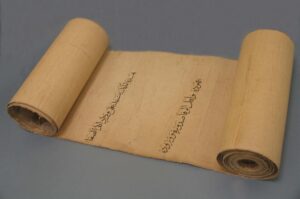
Letter from the Sultan of Egypt An-Nassir Muhammad to King James II of Aragon, responding to his complaint about the closing of Christian churches in Cairo and announcing the sending of an ambassador.
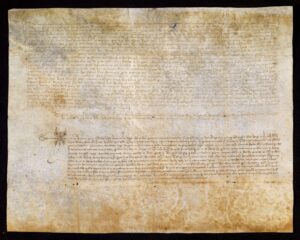
Marriage chapters of Berenguer d’Orís, maiden and lord of the castle of Orís; with Blanca, daughter of Macià de Brull, lord of Vallferosa castle, and Saurina. 1379, May, 8. Berga
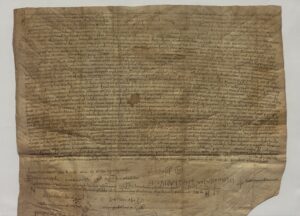
Viscount Bramon leaves several assets to the monastery of Sant Pere de Casserres. One of the signatories is Abbot Oliba.
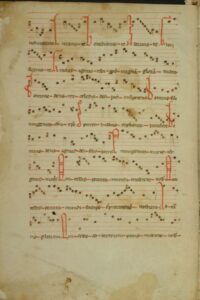
Manuscript 1
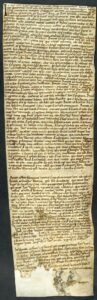
Testament of Berenguer Arnau. He bequeaths the castle of Voltregà to his sons, Pere and Guillem, the battalion of Paladol and Gallifa. 1111, September, 2.
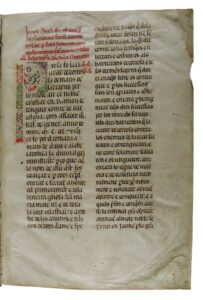
Book of the Customs of Tortosa
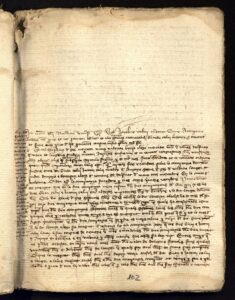
Formation of a company to import fabrics from Avinyó to Barcelona and Valencia.
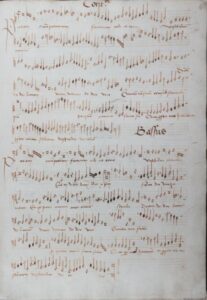
Manuscript 5
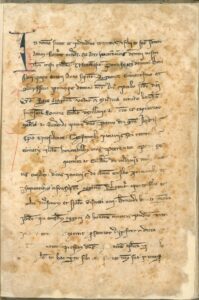
“Book of the ancient ordinations of the General Study of the City of Leyda”
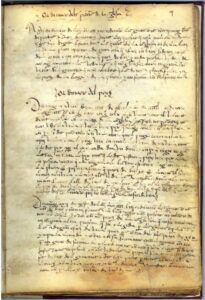
Ordinations of the vedalers of Ulldemolins
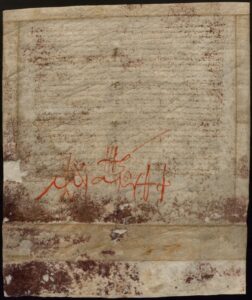
Privilege granted by Andronic II to Catalan merchants
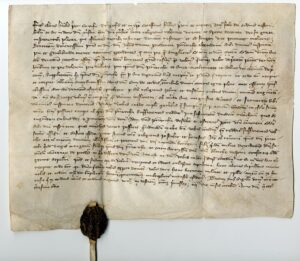
License from the prior of the Great Carthusian Monastery to bury the stories of Prades in the Escaladei Carthusian Monastery. 1333, October, Gande Chartreuse Monastery (French Alps, near Grenoble).
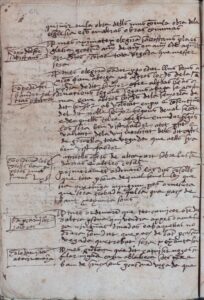
Book of privileges of the Town of Gironella
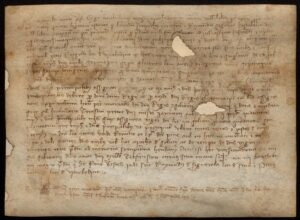
Receipt of the contribution for cooking Vimbodí to the coronation of King Joan I of Catalonia-Aragon
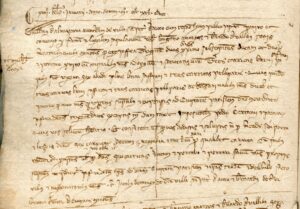
Contract for the transport of 3 loads of saffron and three loads of skins from Manresa to Paris within 32 days.
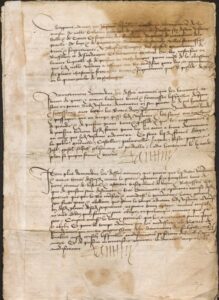
Capitulations signed between Galceran Galceran de Pinós and de Fenollet, viscount of Illa i Canet, and the French governor of Roussillon and Cerdanya and lieutenant general of the King of France in the Principality of Catalonia, Tanguy del Castell
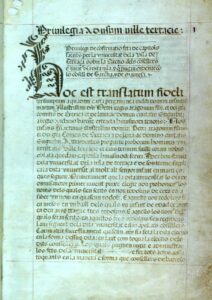
“Book of privileges of the town and the term of Terrassa”.
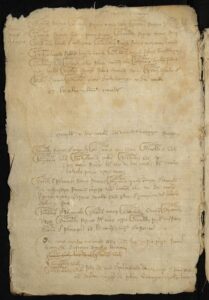
Judicial case for the murder of Pere Gil, before the court of Pontils Barnat Alió, under the jurisdiction of Elisenda de Cervelló.
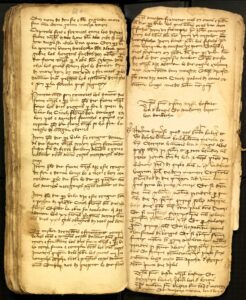
Notarial contract for the construction of the first organ in the parish of Arbeca (Archbishopric of Tarragona), signed by the rector of Les Borges Blanques (Diocese of Lleida)
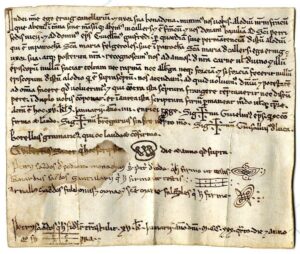
Donation of an alou located in Santa Maria de Folgueroles and Santa Maria de Caller that Eruig, knight, and his wife Bonadona grant to the batllia and the bishop of the Seu de Vic.
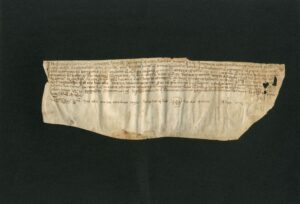
Guillem sells to Reinard and his wife Fe an alou (houses, farmhouses, orchards, land and vineyards) in Olvan (Berguedà), in the place called Artiga.
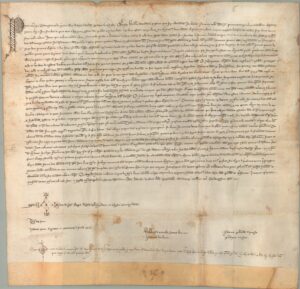
Privilege of King Pere III regulating the composition and operation of the Town of Tàrrega
![Bull of Adrià IV addressed to the bishop of Urgell [Bernat Sanç] recommending peace and harmony with the count of Urgell [Ermengol III], who had repented of his faults, and that, with the due sureties in the hands of the bishop of Narbonne, lift the count's excommunication and appear before the count of Barcelona [Ramon Berenguer I].](https://catalunyapaisdarxius.cat/wp-content/uploads/2025/10/1066-CAT-XXX-BARCELONA-BIBLIOTECA-DE-CATALUNYA-Perg-264-Reg-2207_001-thumbnail-300x228.jpg)
Bull of Adrià IV addressed to the bishop of Urgell [Bernat Sanç] recommending peace and harmony with the count of Urgell [Ermengol III], who had repented of his faults, and that, with the due sureties in the hands of the bishop of Narbonne, lift the count’s excommunication and appear before the count of Barcelona [Ramon Berenguer I].
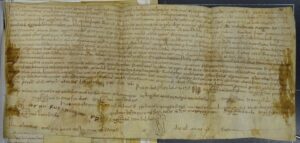
Testament of Arnulf, bishop of Osona
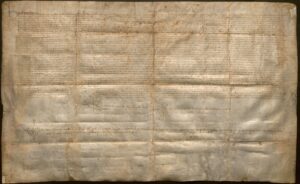
Transfer of the validation and signature by Queen Maria, wife and lieutenant general of Alfonso V, of some chapters made between her and the jurors and prohoms of the castle of Masquefa.
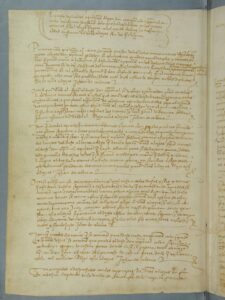
Capitulations of Santa Fe agreed between the Catholic Kings and Christopher Columbus on his projected voyage to the Indies.
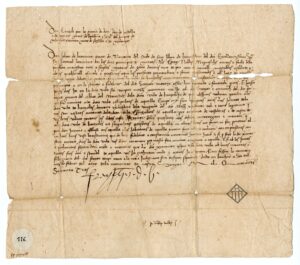
Letter from Joan de Beumont, lieutenant of Henry IV of Castile, Count of Barcelona, to the Captains of Banyoles.
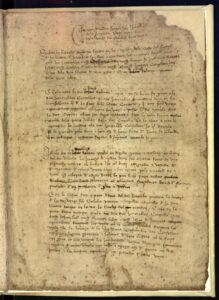
Chapters of the altarpiece of Our Lady of the Councillors
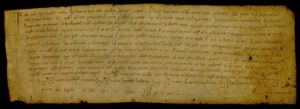
Sale of a piece of land located in Llerona (les Franqueses del Vallès) near the church of Santa Digna.
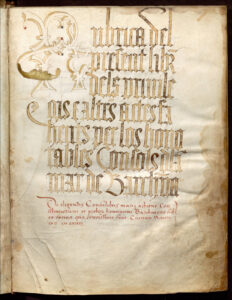
Book of privileges and other acts done by the honorable Consuls of the Sea of Barcelona.
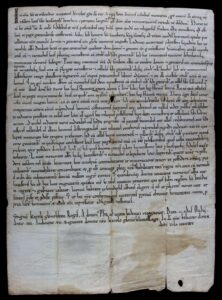
Precept of King Charles the Bald in favor of the monastery of Sant Medir and Sant Genís – of Cartellà – which in the 10th century became Santa Maria d’Amer
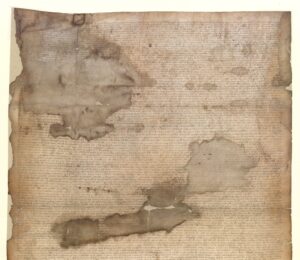
The town of Albi creates a census in favor of Gerard de Basquerà, from Falset
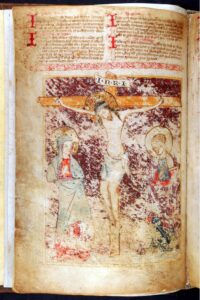
Book of Customs, Privileges and Ordinances of the city of Balaguer
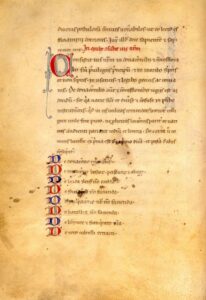
The Customs of Lleida
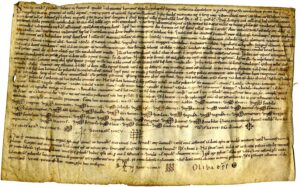
Sentence issued by Bishop Oliba, abbot of Ripoll, together with Count Guifré II de la Cerdanya, his brother, and others, regarding the confrontation over some pasture lands along the Segre river.
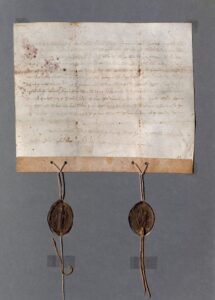
Concession granted by the bishop of Girona, Pere de Castellnou, to demolish the old parish church of Santa Maria dels Turers and build a better one.
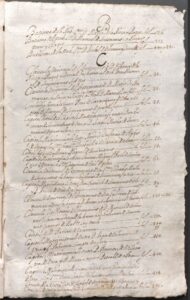
Specule of the house of Sentmenat, barons of Dosrius
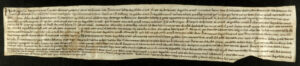
Grievances of Guitart Isarn de Caboet.
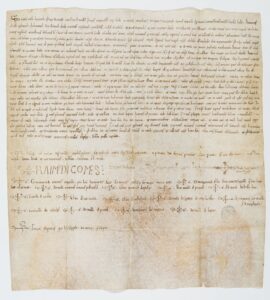
Map of Lleida Township
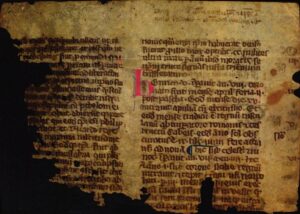
Fragment of a chronicle by Martin von Troppau, (+1278), Chronicon Pontificum et Imperatorum