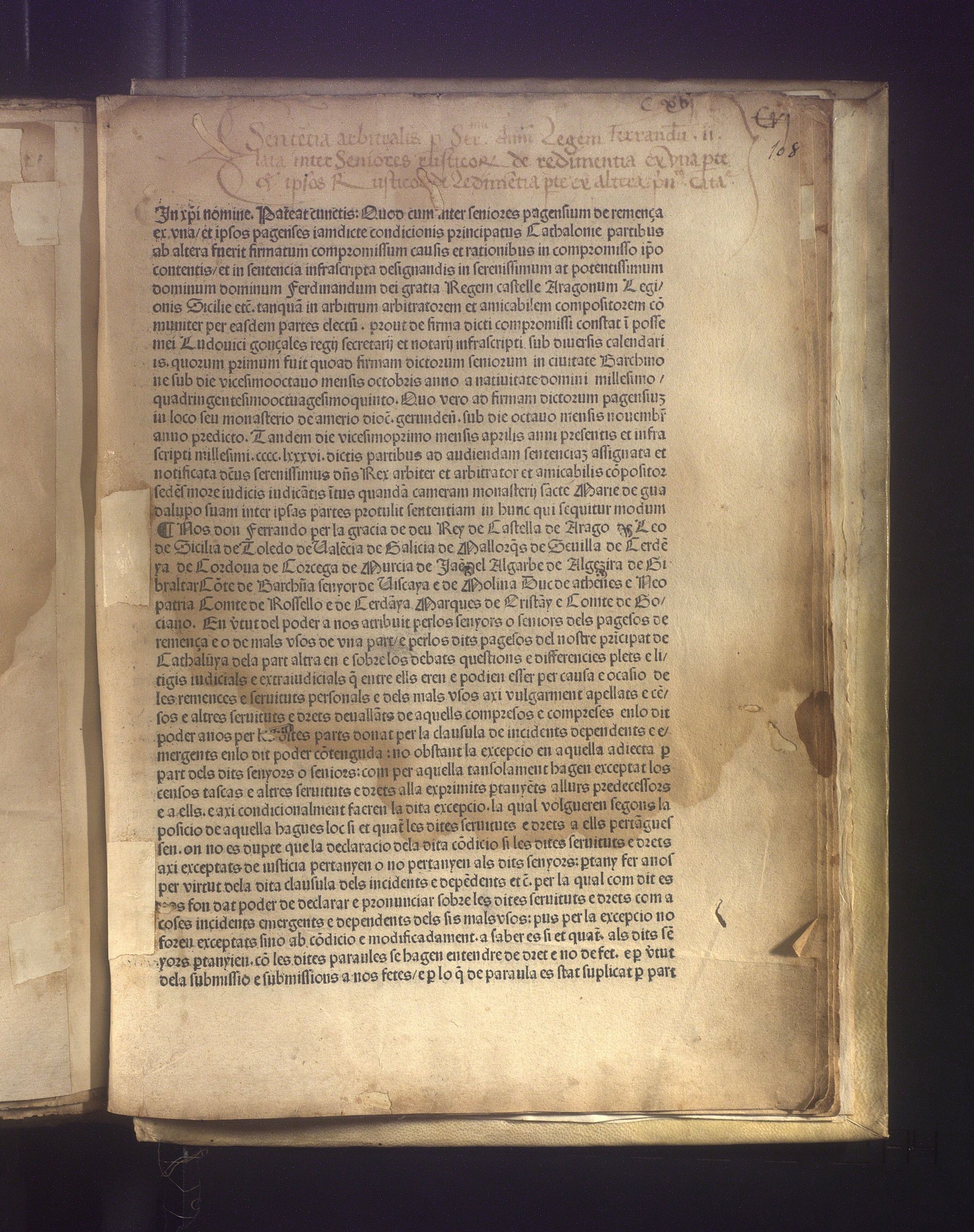
In Catalonia, this tradition of social activism has deep roots and reflects broader European currents. As early as the 14th century, the Rebellion of the Remences set a precedent of collective resistance that culminated in the Sentencia Arbitral de Guadalupe [Arbitral Ruling of Guadalupe] of 1486. This document reflects an early victory for social rights, limiting the arbitrariness of the feudal lords and alluding to ideals of justice that would flourish again centuries later.
Social movements and struggles
Social movements and struggles have been a transformative force in Europe, driving changes in power structures and advocating collective and individual rights. From mediaeval peasant uprisings to 19th-century labour movements and 20th-century struggles for gender equality or minority rights, these mobilizations have shaped a more equitable and diverse Europe.
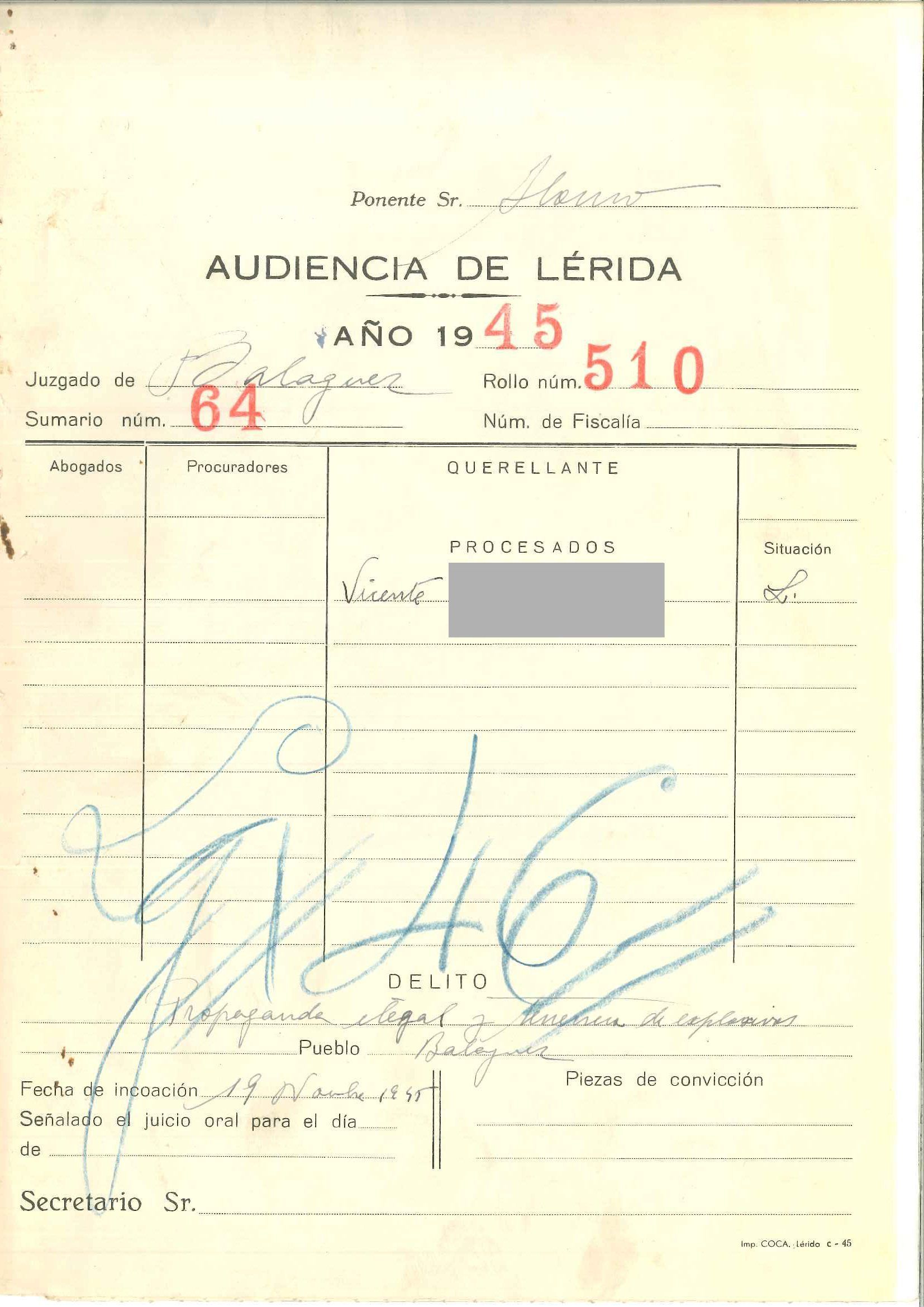
In the 19th century, the impact of industrialization would propel Catalonia to the forefront of the labour movements taking shape across mainland Spain. As a textile hub, Barcelona was the scene of both strikes and worker associations, influenced by socialist and anarchist ideas then circulating throughout Europe. In the 20th century, such social struggles became intertwined with the anti-Franco resistance and defence of cultural identity. An example of these subversive mobilizations against the dictatorship can be found in a post-war court record describing the arrest of five members of an underground propaganda network in Balaguer that put out the newspaper Solidaridad Obrera.
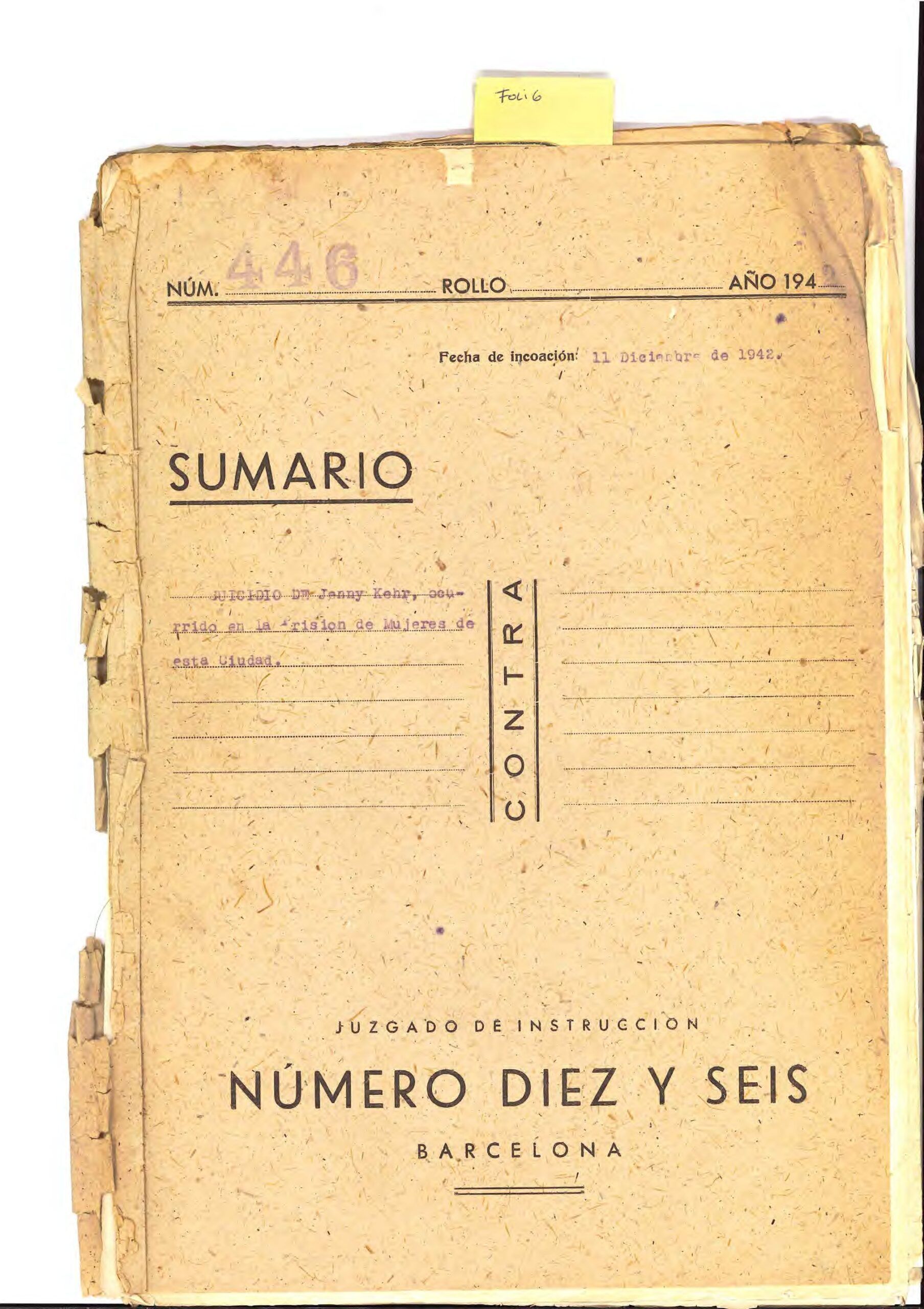
In another tragic case, the 1942 record of Jenny Kehr, a German Jewish refugee, preserved at the Central Archive of the Ciutat de la Justícia de Barcelona, offers a stark example of the cruelty of Francoist repression and Nazi persecution. After escaping from the Gurs internment camp in France and being arrested upon crossing the border, Kehr was transferred to the prison in Lleida and, from there, to the Women’s Prison in Barcelona. Intuiting that she would be deported, she decided to take her own life rather than fall into the Nazis’ hands.
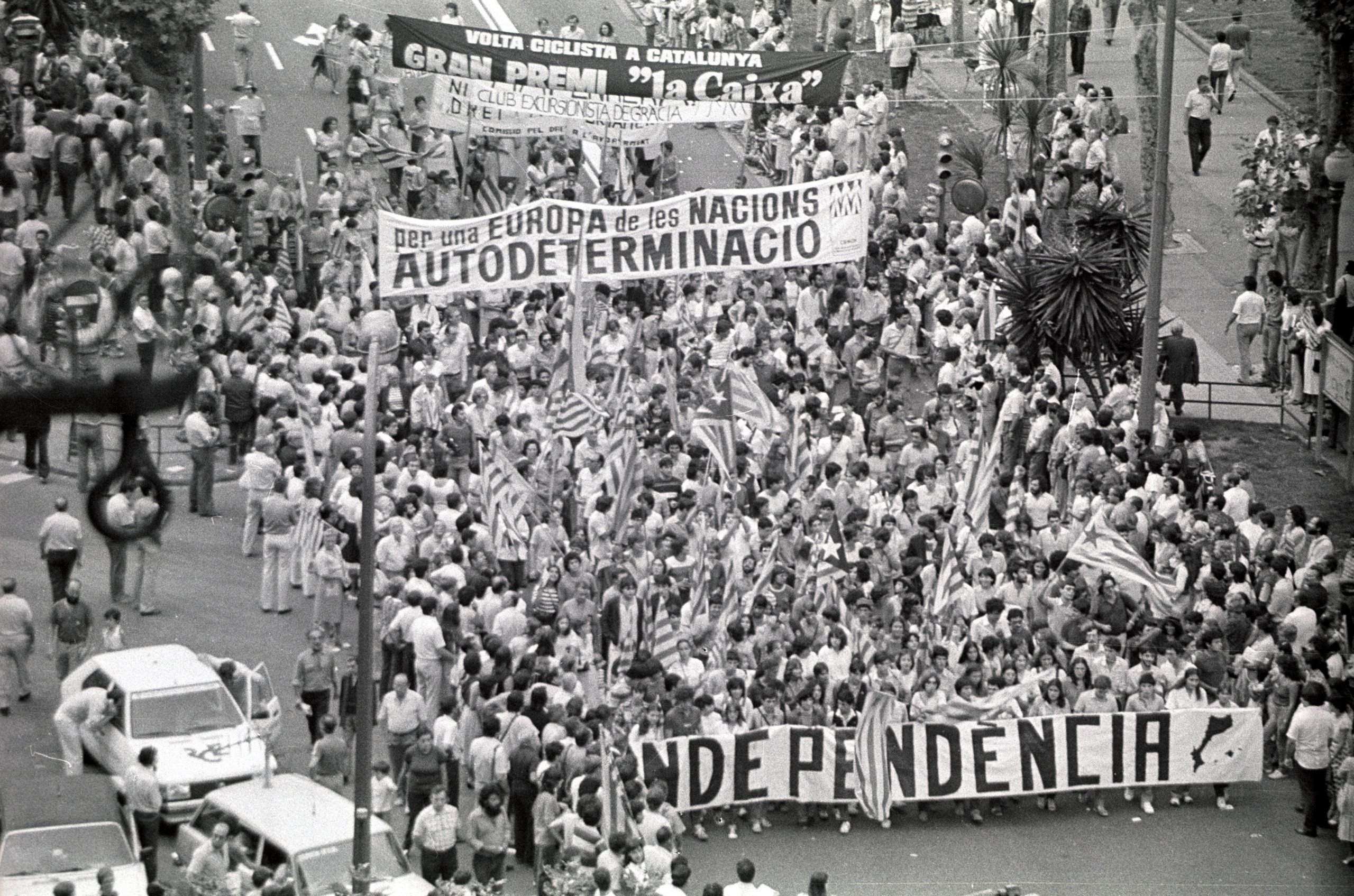
Starting during the Transition, social struggles also came to include the defence of political rights and gender equality. Two emblematic images bear witness to this. The first, from the late 1970s or early 1980s, shows a protest in favour of Catalan self-determination held in Girona.
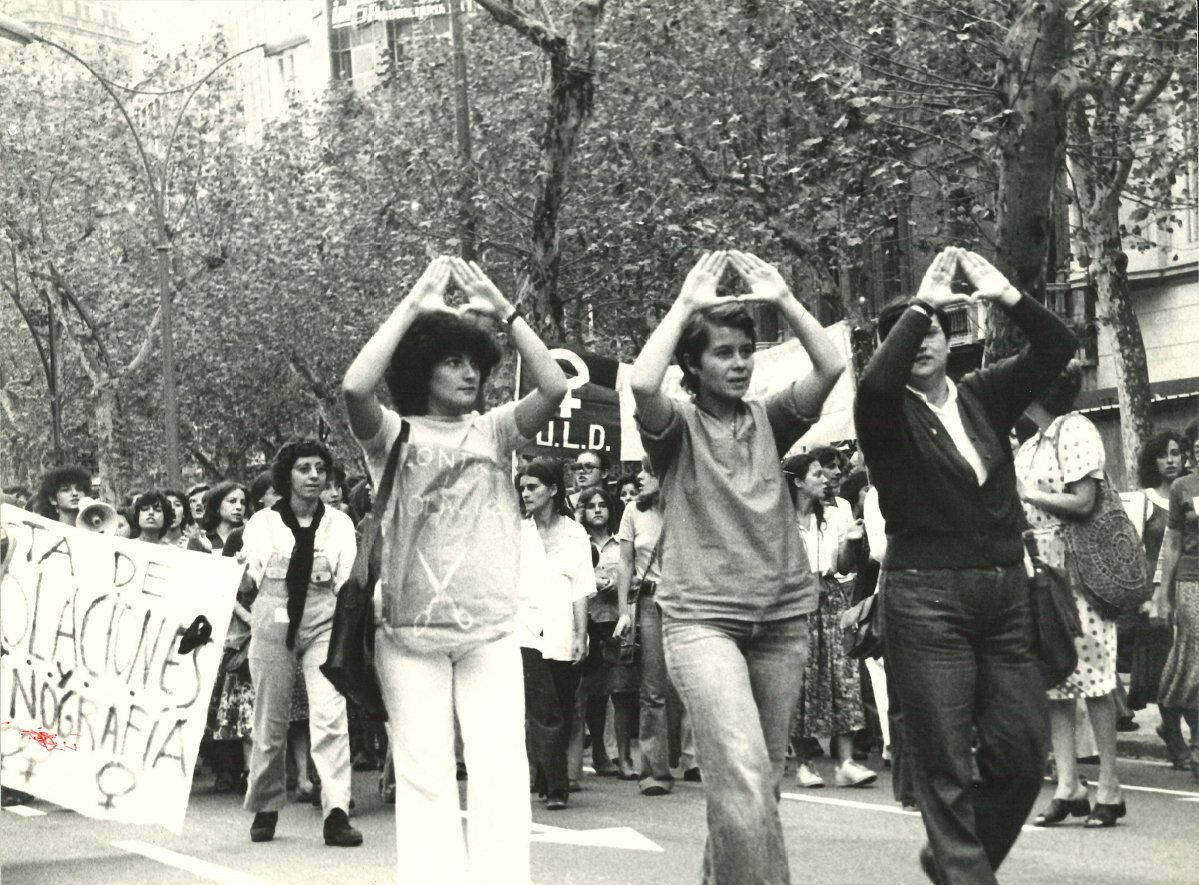
The second, of a 1987 feminist demonstration in the Catalan capital, features the presence of Margarita Ammann Martínez, a leading figure in radical feminism and pioneering human rights, environmental and disarmament activist.
The second, of a 1987 feminist demonstration in the Catalan capital, features the presence of Margarita Ammann Martínez, a leading figure in radical feminism and pioneering human rights, environmental and disarmament activist.