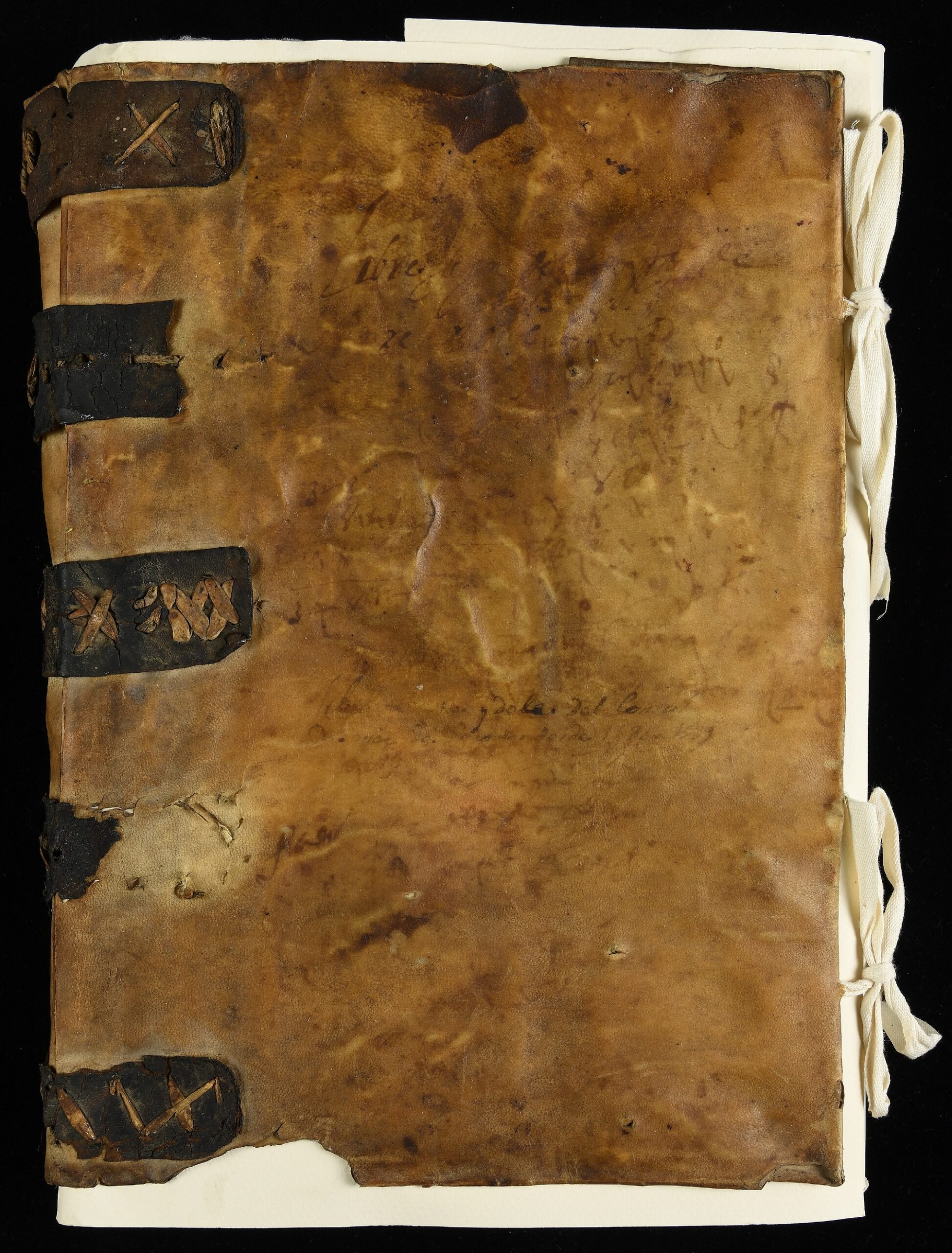
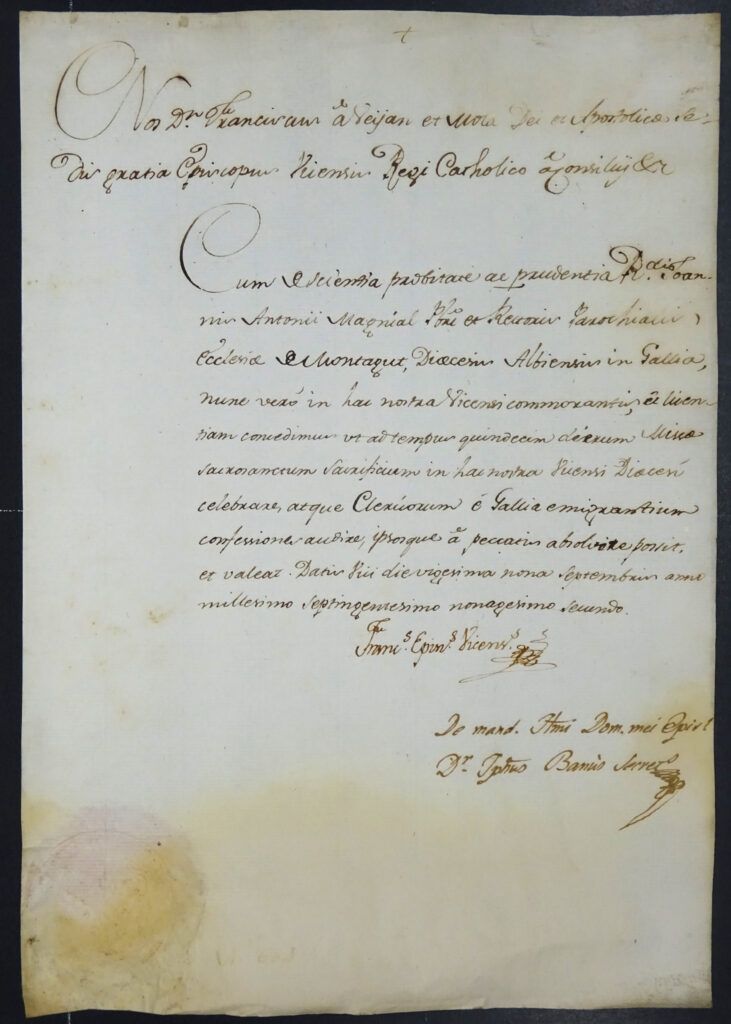
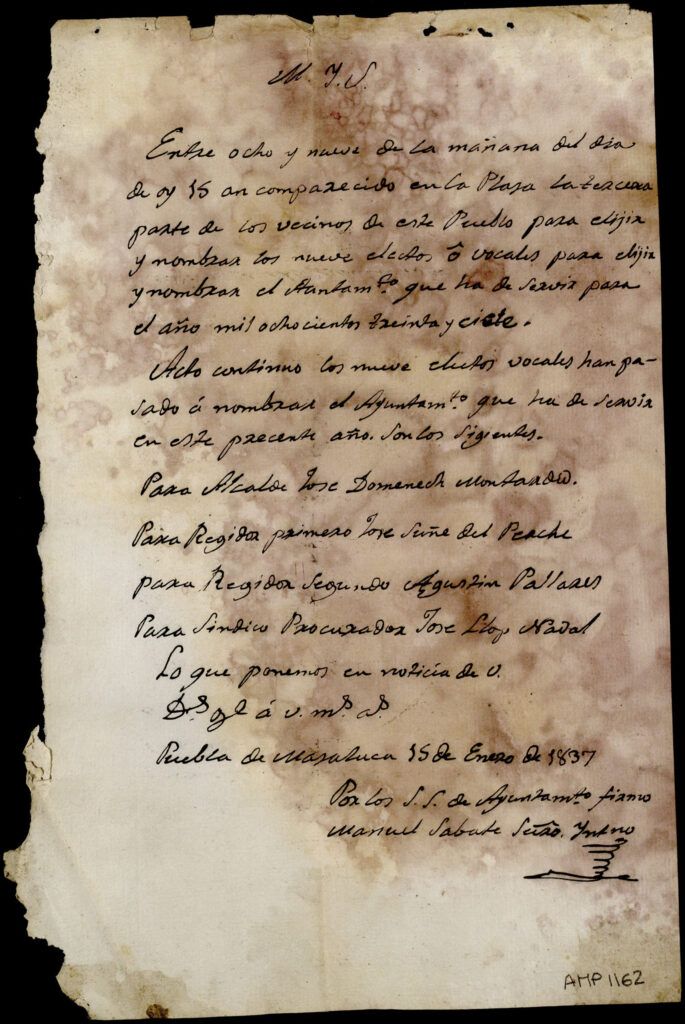
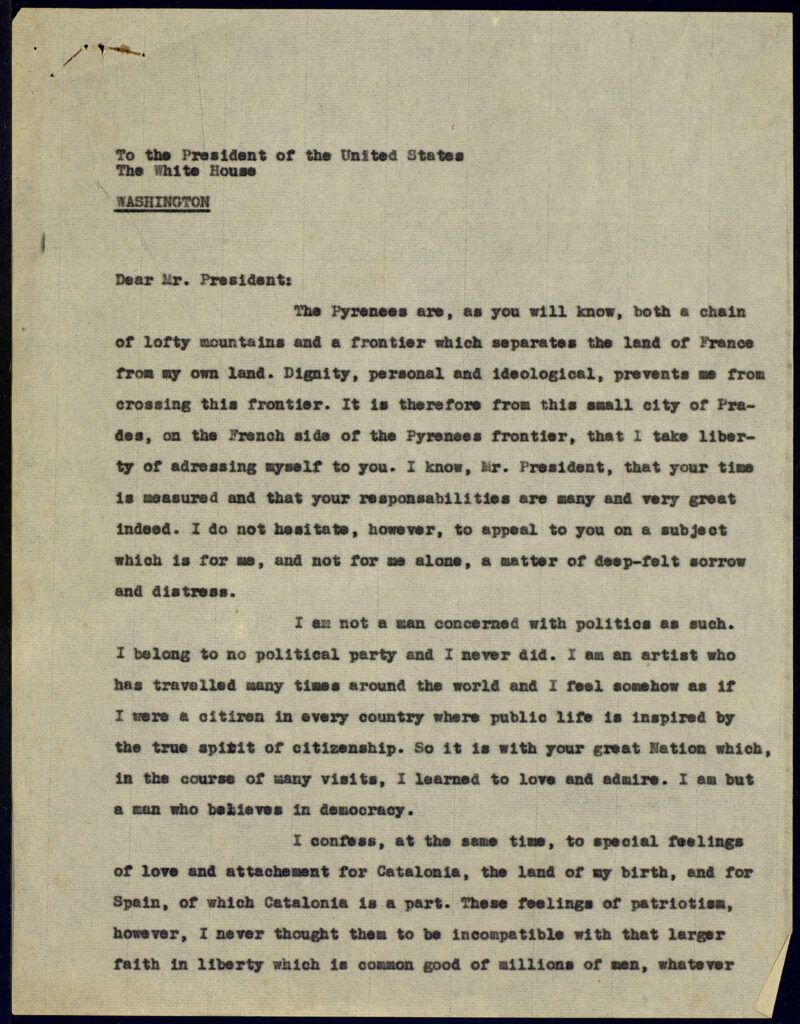
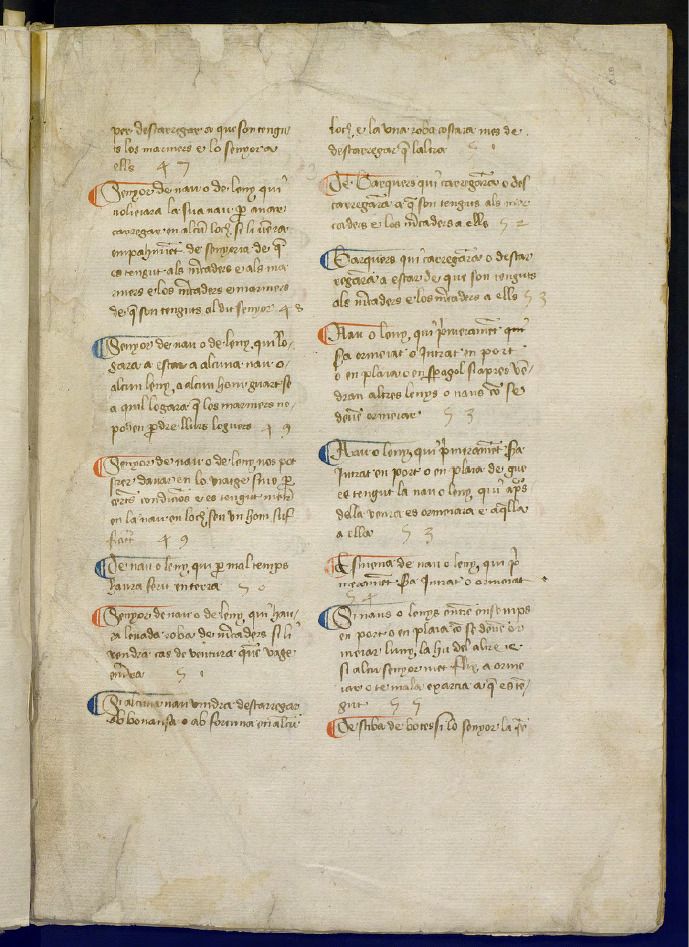
In Catalonia, this desire to regulate trade took the trailblazing form of the Llibre del Consolat de Mar [Book of the Consulate of the Sea], a maritime and commercial code drawn up between the 13th and 14th centuries, which became a key contribution to international commercial law. The Consolat de Mar [Consulate of the Sea], an institution created in the Catalan capital to settle trade disputes, compiled this code to regulate maritime trade in the Mediterranean, establishing rules for contracts, insurance, and commercial liability, as documented in the 15th-century manuscript copy preserved at the Municipal Archive of Barcelona. This text, translated and adopted by various European ports, influenced the development of international maritime law, attesting to Catalonia’s role as a leading commercial hub.
Building international trade from Catalonia
The regulation of commerce through common codes has been a key factor in promoting economic exchange, enabling the establishment of shared standards that have facilitated trade throughout the continent and the Mediterranean. This process dates back to the Middle Ages, with initiatives such as the Lex Mercatoria, a set of commercial customs and practices regulating transactions between merchants from different territories, ensuring trust and fairness in a context of great legal diversity. This tradition has evolved over the centuries, culminating, in the contemporary era, in the policies of the European single market.
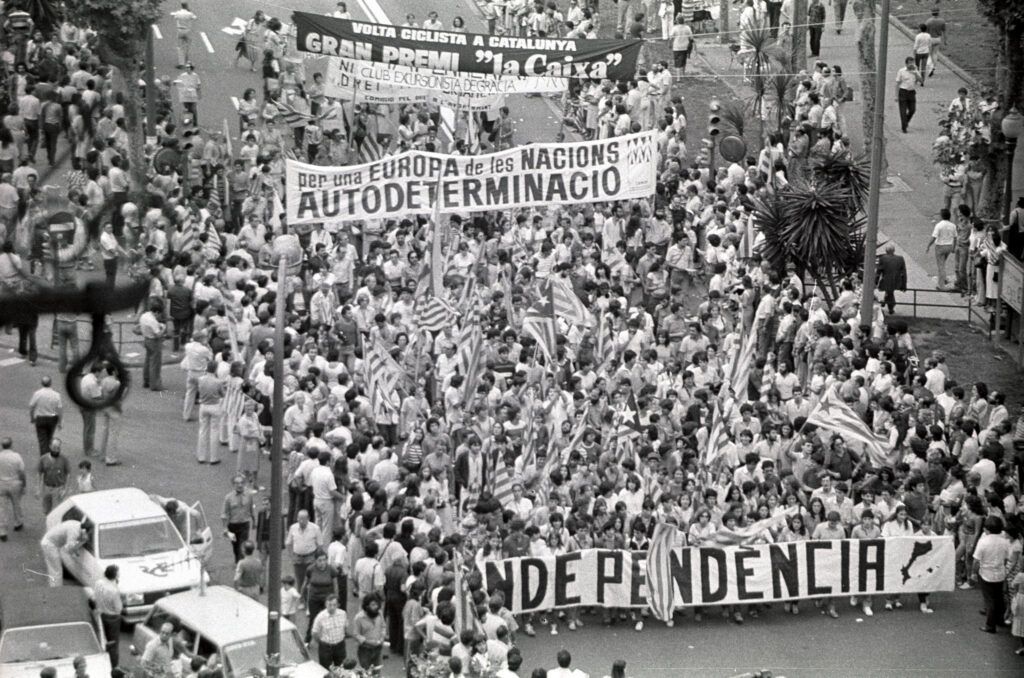
This influence extended to other Catalan cities, as evidenced by the accounting ledger of the Cònsol de Mar de Girona [Consulate of the Sea of Girona] from between 1530 and 1539, which documents the regulation of local maritime trade and the continuity of the Girona Consolat’s practices. In the 20th century, Catalonia’s integration into the European market was consolidated with Spain’s accession to the European Economic Community in 1986, a move that enabled harmonization of its commercial practices with the standards of the single market.