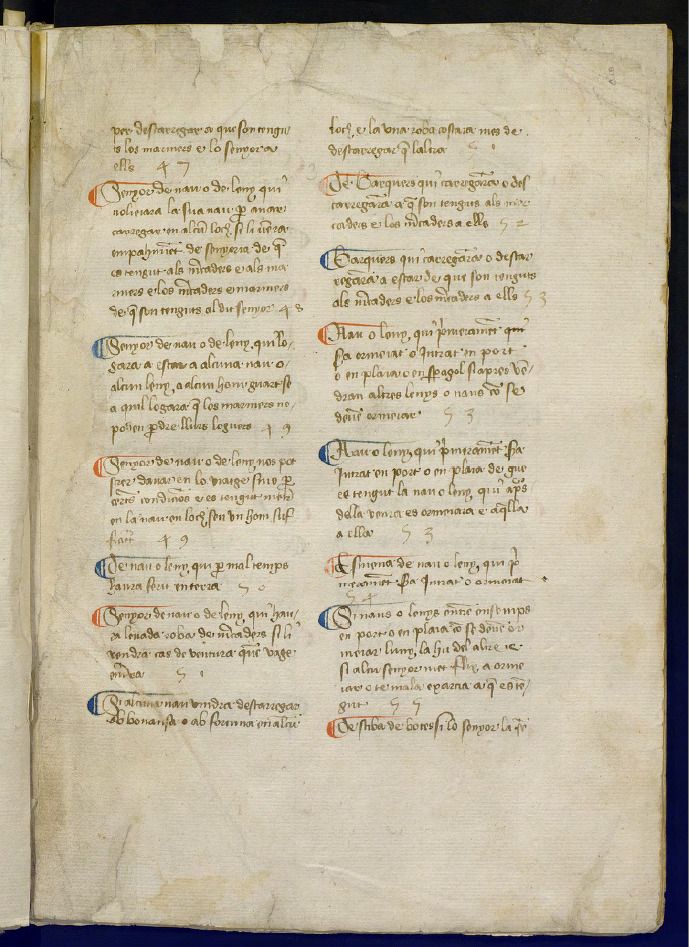
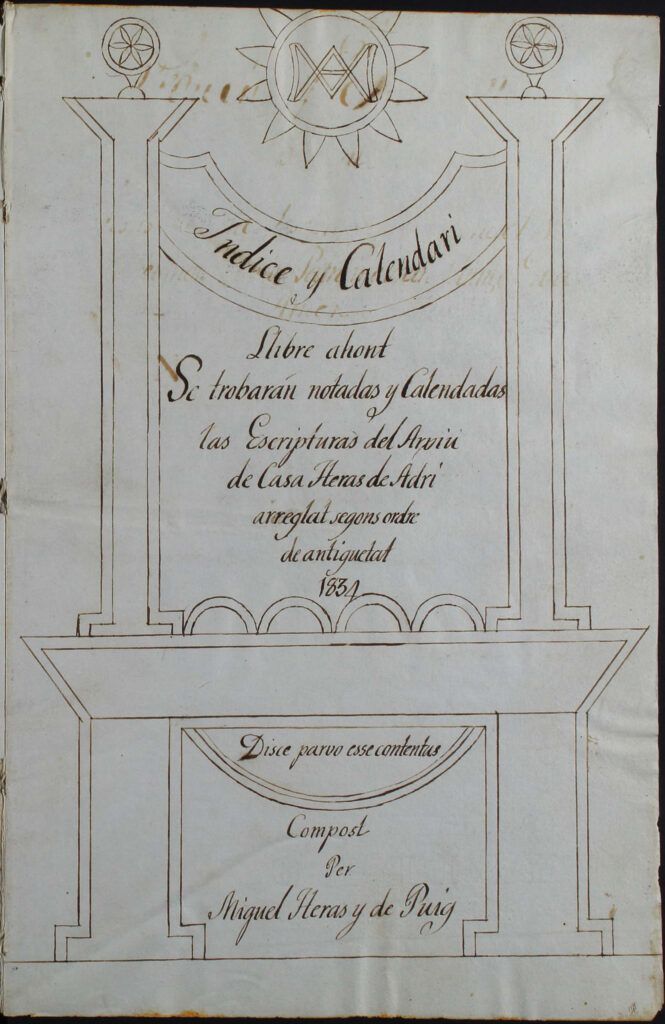
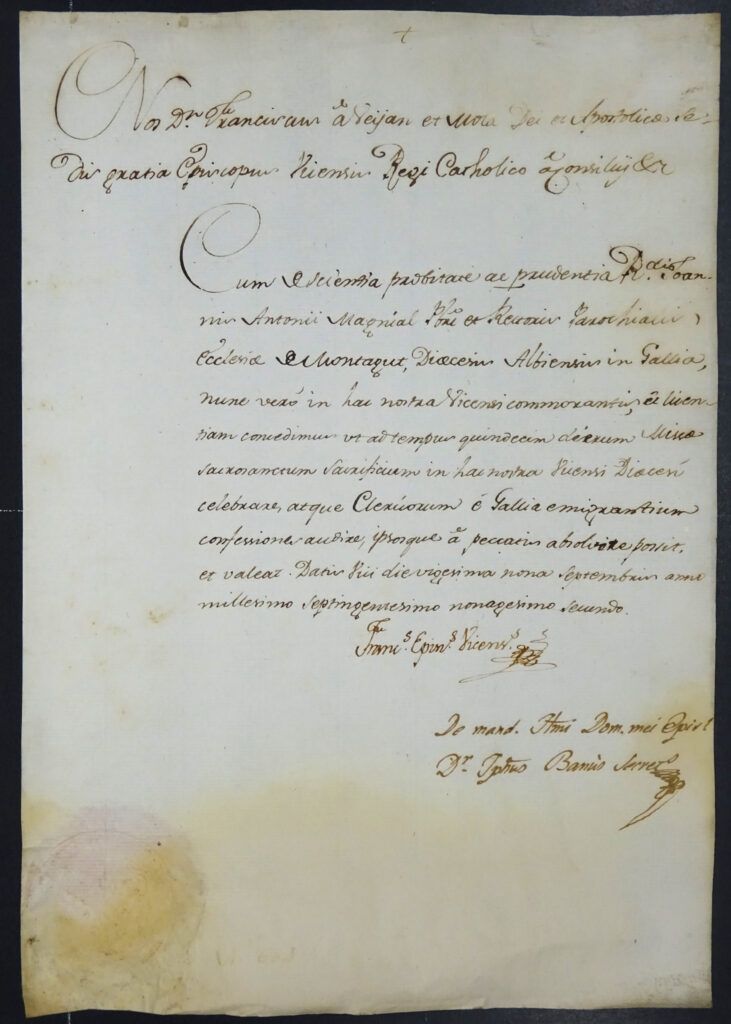
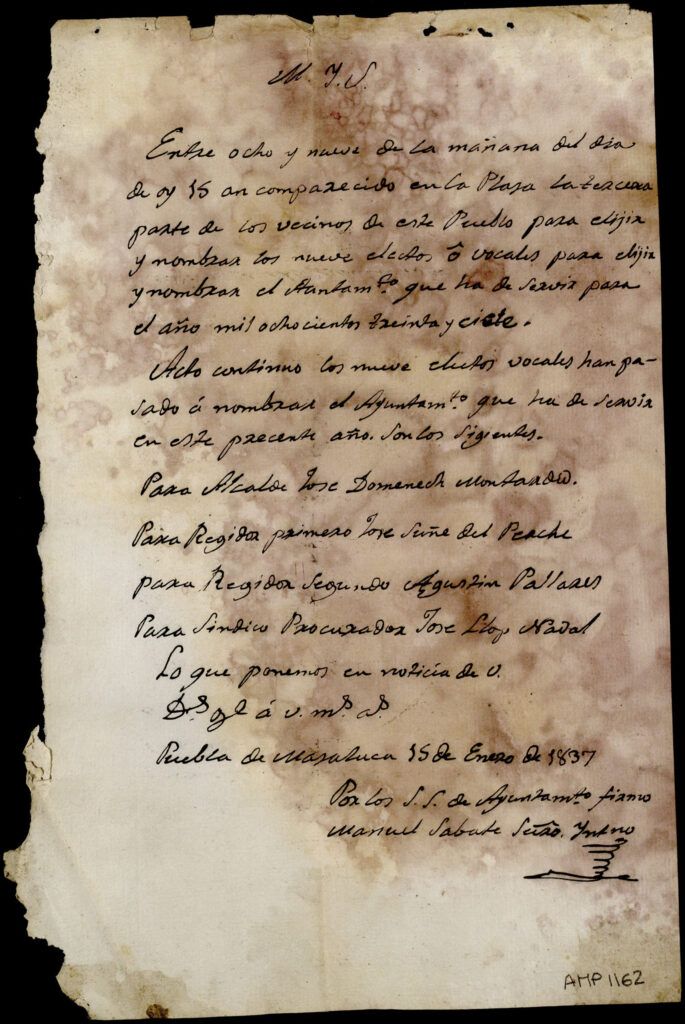
Of particular note are the Peace and Truce Constitution of the Bishopric and County of Vic, proclaimed by Bishop Oliba in 1033 – a contemporaneous 11th-century copy of which is preserved in the National Library of Catalonia – and the constitution adopted at the Barcelona Cathedral of the Holy Cross, dated between 1063 and 1064, promoted by the bishops of Barcelona, Vic and Girona at the behest of the Count and Countess of Barcelona, Ramon Berenguer I and Almodis.
Defence of the rule of law
Rooted in the Roman law tradition, the rule of law guarantees equality and justice, placing limits on the arbitrary exercise of power. This principle is reflected both in foundational documents such as England’s Magna Carta (1215) and in modern institutions such as the Court of Justice of the European Union. In Catalonia, the constitutions promulgated by the Pau i Treva de Déu [Peace and Truce of God] assemblies beginning in the 11th century were a pioneering contribution to this evolution.
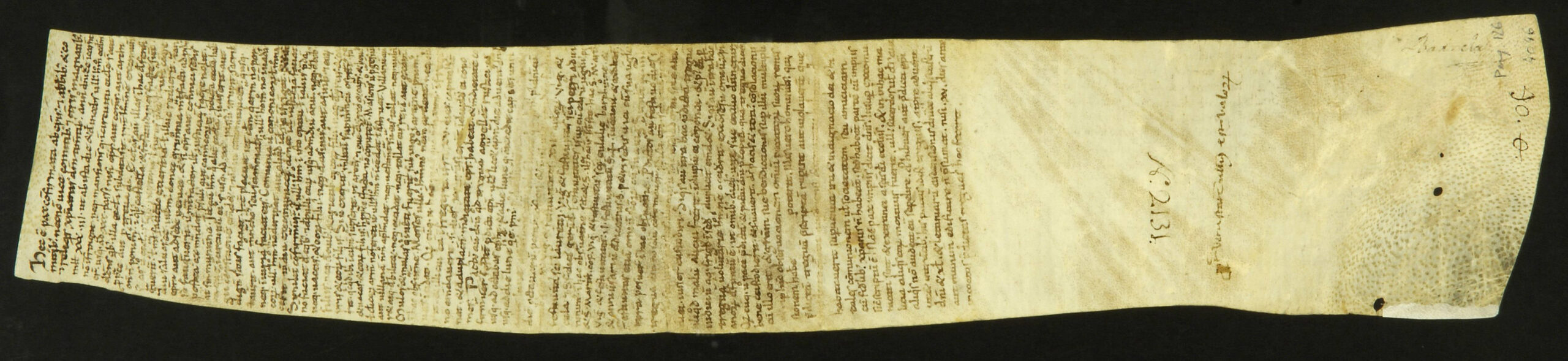
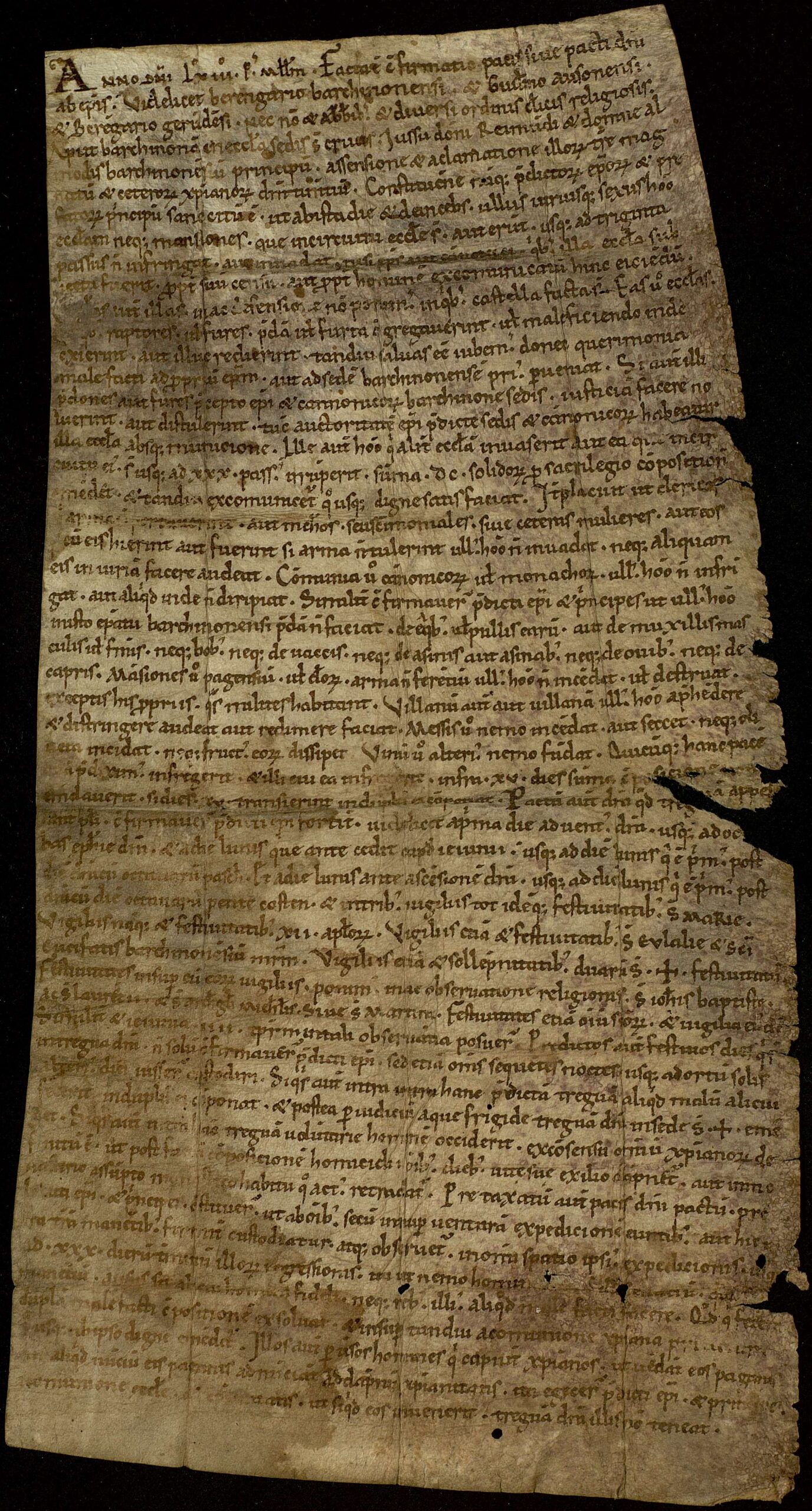
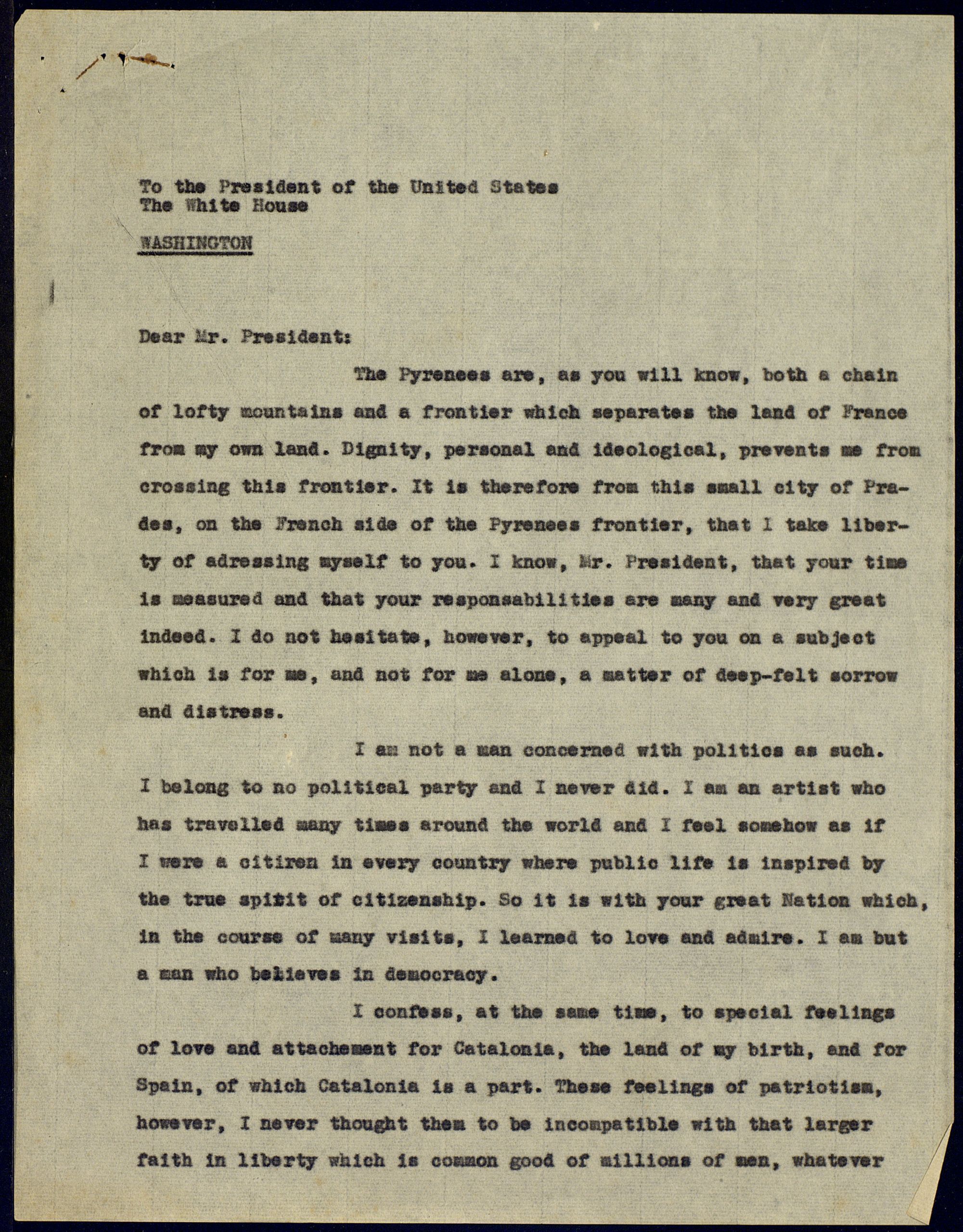
Pau Casals alluded to these rules, intended to regulate violence and promote peaceful co-existence, in his ‘I am a Catalan’ speech at the United Nations in 1971, noting, ‘Catalonia had the beginnings of the United Nations. All the authorities of Catalonia met [...] to speak about peace... in the 11th century! [Because they were] against the inhumanity of wars.’ This commitment to peace and freedom was likewise apparent in his letter to US President Harry S. Truman, penned in Prades, France, in which he expressed his sorrow at America’s support for Franco’s Spain and highlighted Catalonia’s defence of the values of human freedom and dignity. Not only were the Peace and Truce constitutions ahead of their time in terms of the idea of law-based governance, but they also tapped into the same spirit of peace and justice that defines the process of European construction.