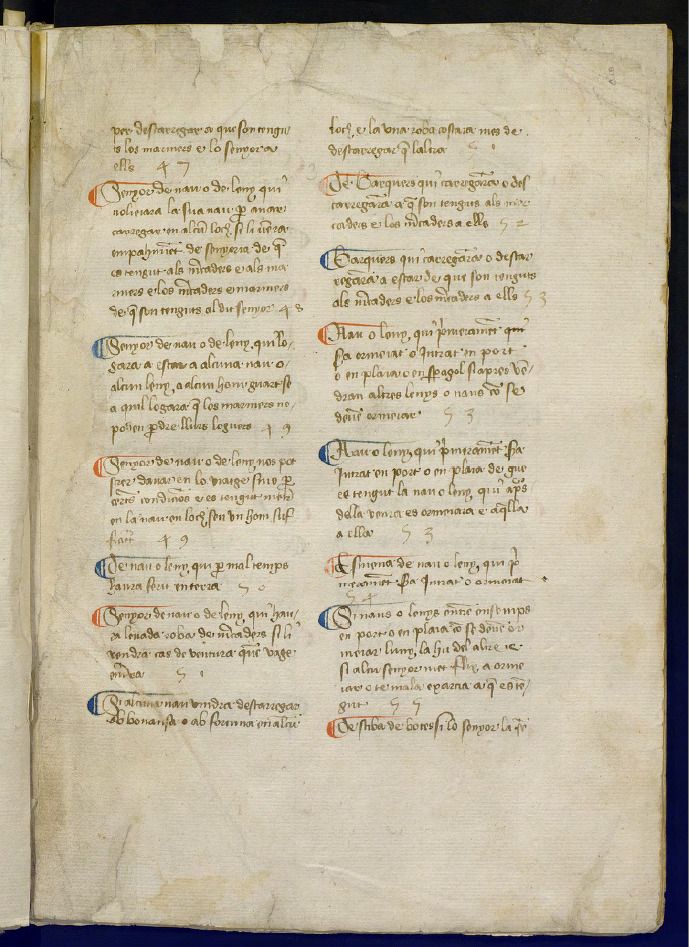
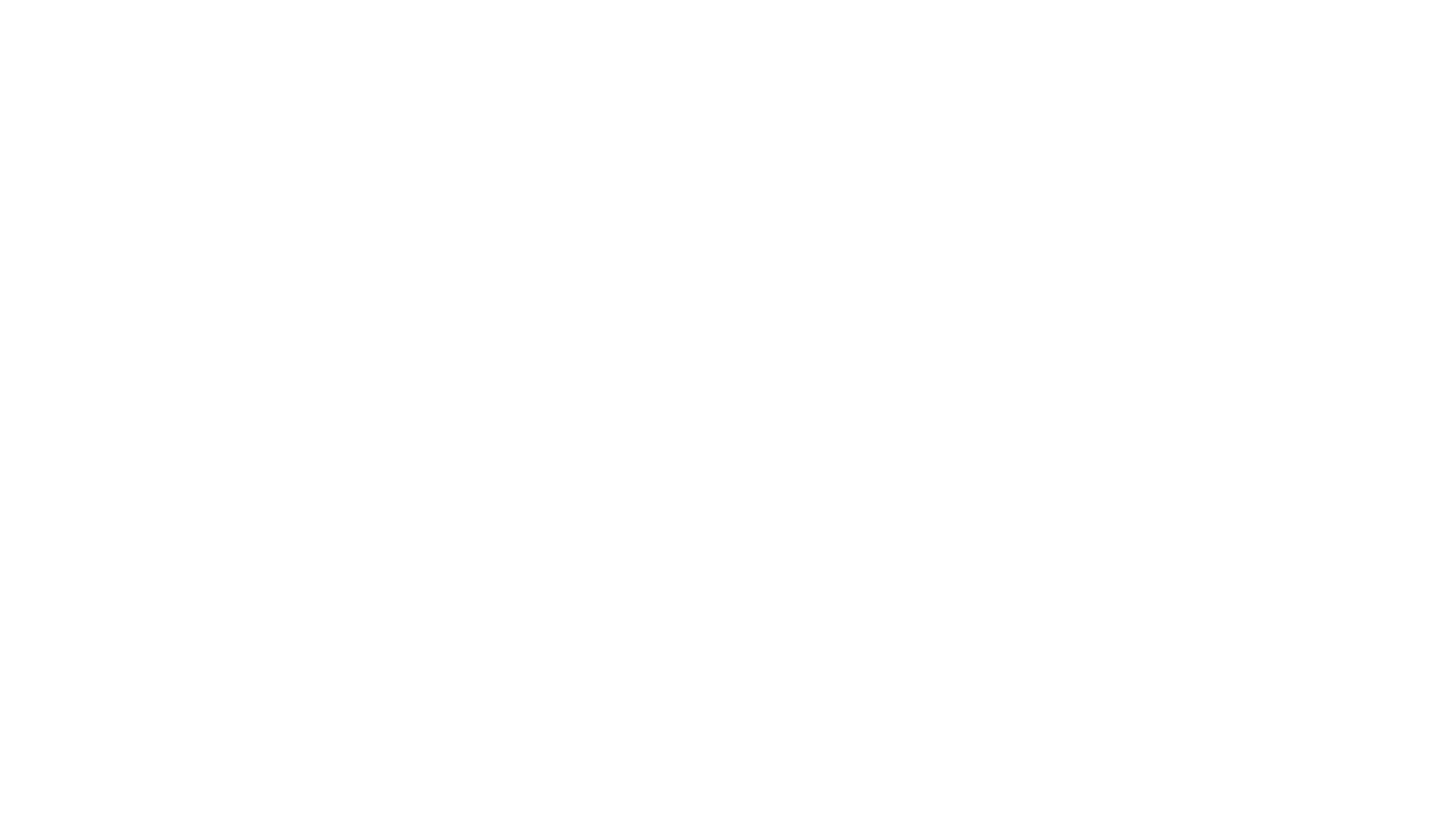
In mediaeval Catalonia, the Corts Catalanes [Catalan Courts] stand out as one of the oldest legislative bodies in Europe, bringing together the three branches – royal, including representatives from the villages and cities; military, including representatives of the nobility; and ecclesiastical – to debate and reach agreements with the king on the contributions to the monarchy, laying the groundwork for a tradition of ‘pactism’ that would endure for centuries in Catalan political culture. An example of this practice can be found in the proceedings from the meeting of the Cort General de Catalunya held in Barcelona in 1283 during the reign of Peter II.
Cradle of parliamentarism
Parliamentarism is an essential pillar of European governance, with a history spanning from mediaeval assemblies to modern parliaments, such as the European Parliament, reflecting an evolution towards collective participation in decision-making. Its origins date back to institutions such as the Parliament of England, which placed the first limits on the monarchy through the representation of the nobles, a model that eventually grew into a broader democracy.
In the 17th century, England’s Glorious Revolution (1688-1689) confirmed the primacy of Parliament over the Crown, a precedent that spread to the rest of the continent. Subsequently, the liberal revolutions of the 19th century led to the emergence of national parliaments, such as the French National Assembly after 1789 or those arising from the unifications of Italy and Germany, which became key instruments of popular representation.
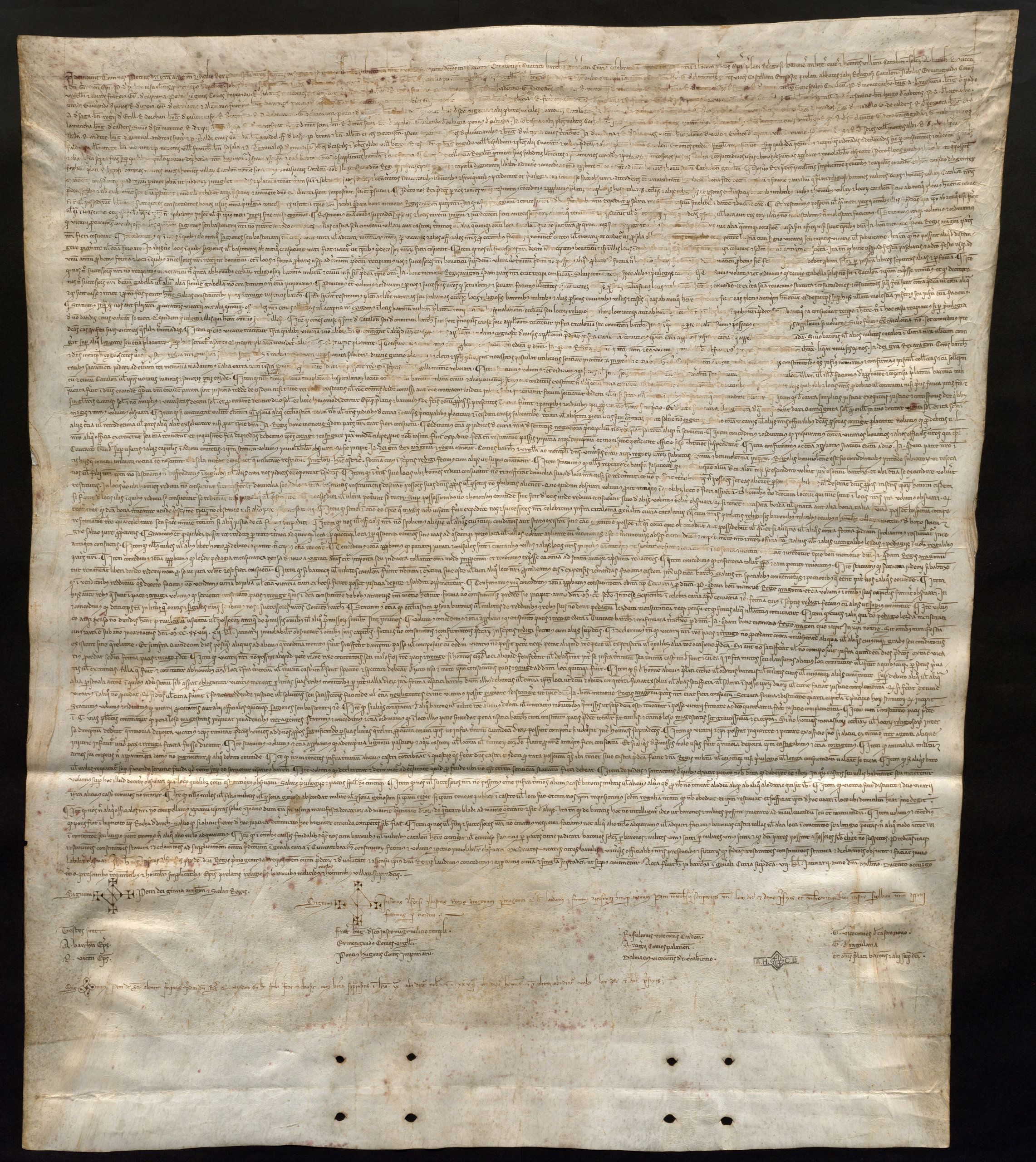
The constitutionalist struggles of the first third of the 19th century breathed new life into this legacy, especially during the liberal revolution – as witnessed by the 1837 mayoral and city councillor election recorded at the Terra Alta Regional Archive – and the autonomist drive of the Mancomunitat de Catalunya.
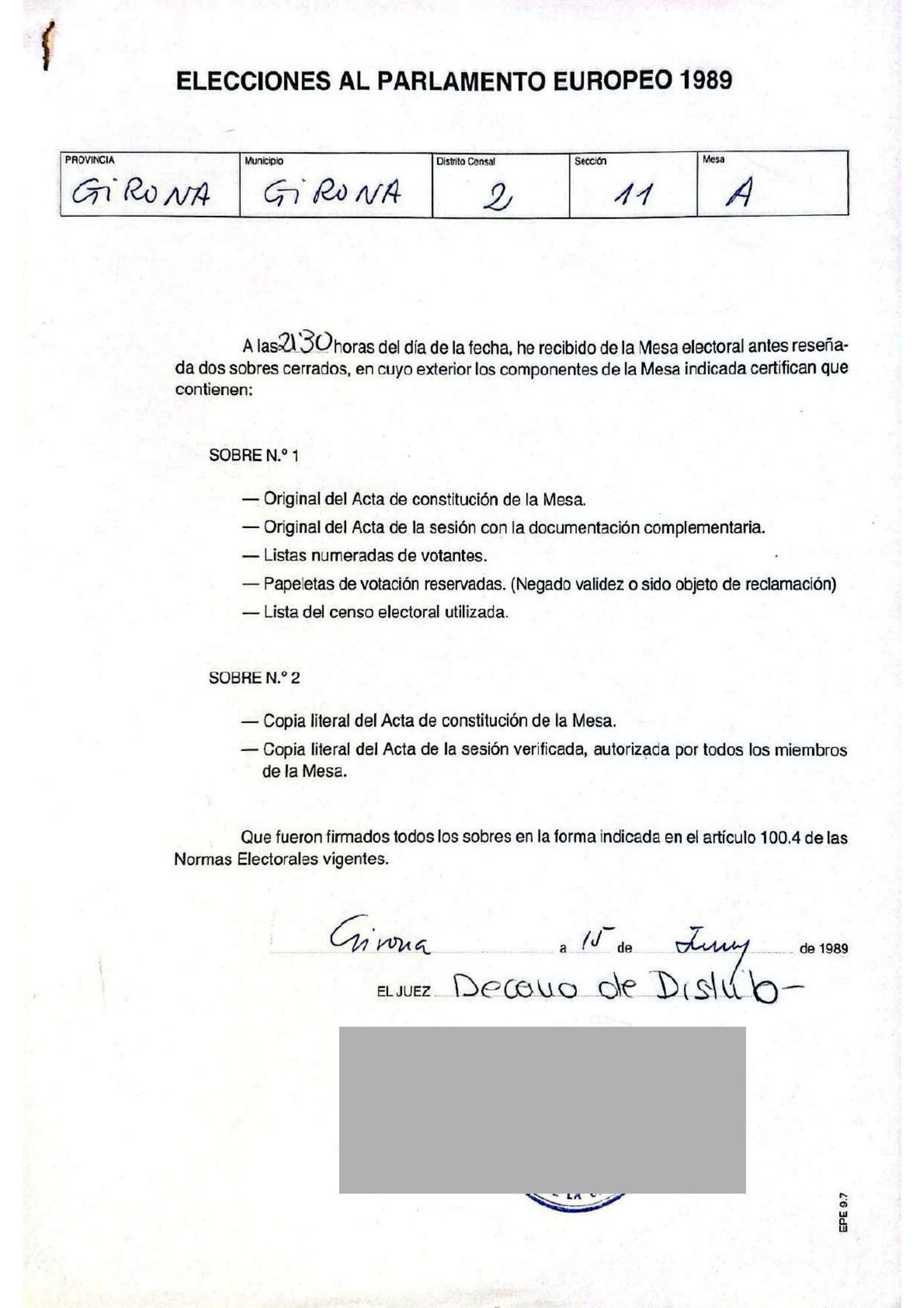
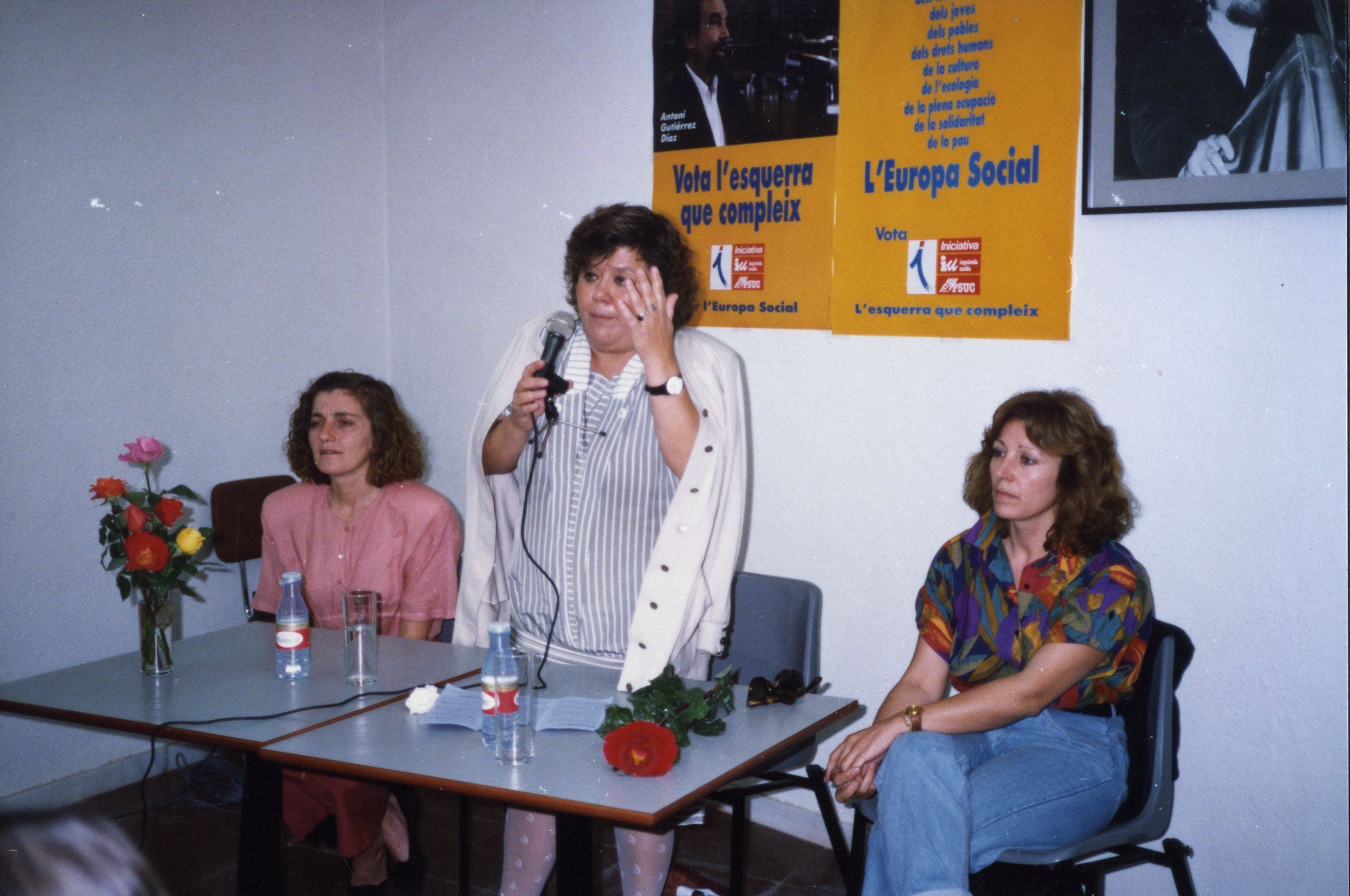
Much more recently, a certificate of constitution of a polling station committee for the European Parliament elections of 1989, preserved at the Central Archive of the Palau de Justícia de Girona, attests to the continuity of this representational commitment within the process of European construction. Those same elections featured the electoral event ‘L’Europa social amb les dones’ [Social Europe with Women], documented at the Baix Llobregat Regional Archive, bearing witness to women’s active involvement and highlighting their role in the construction of a more inclusive Europe.