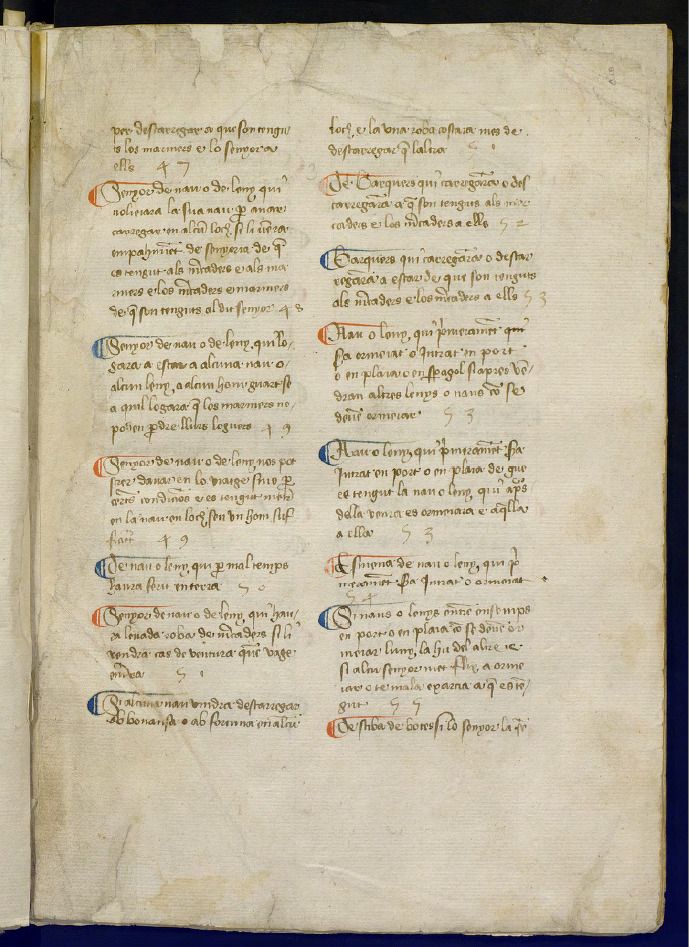
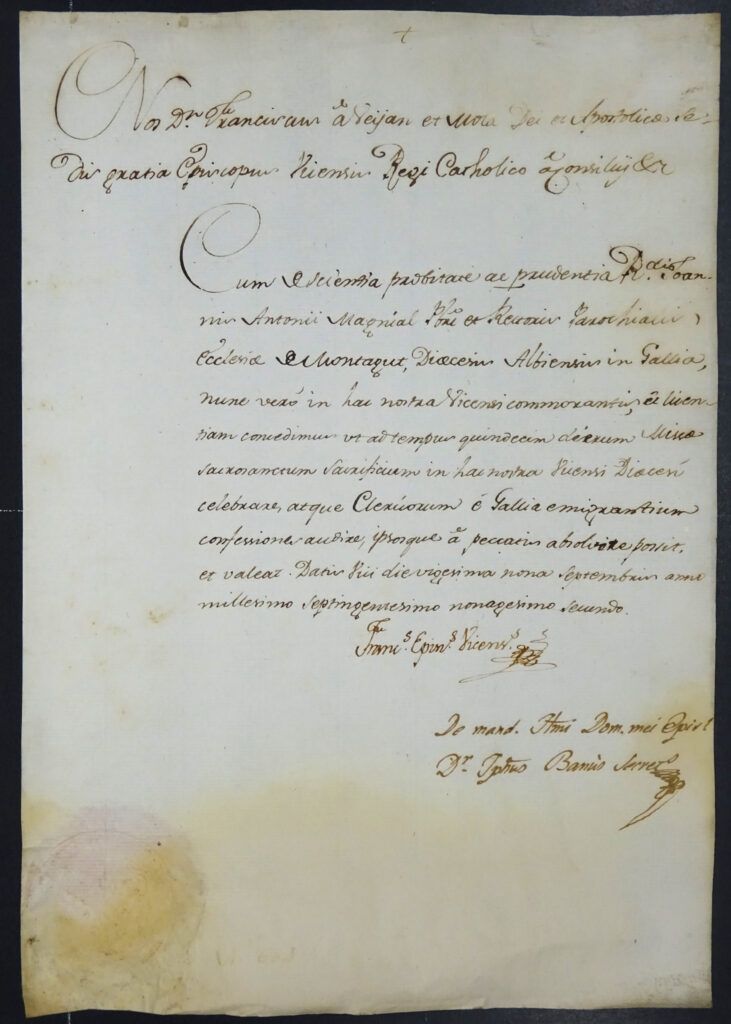
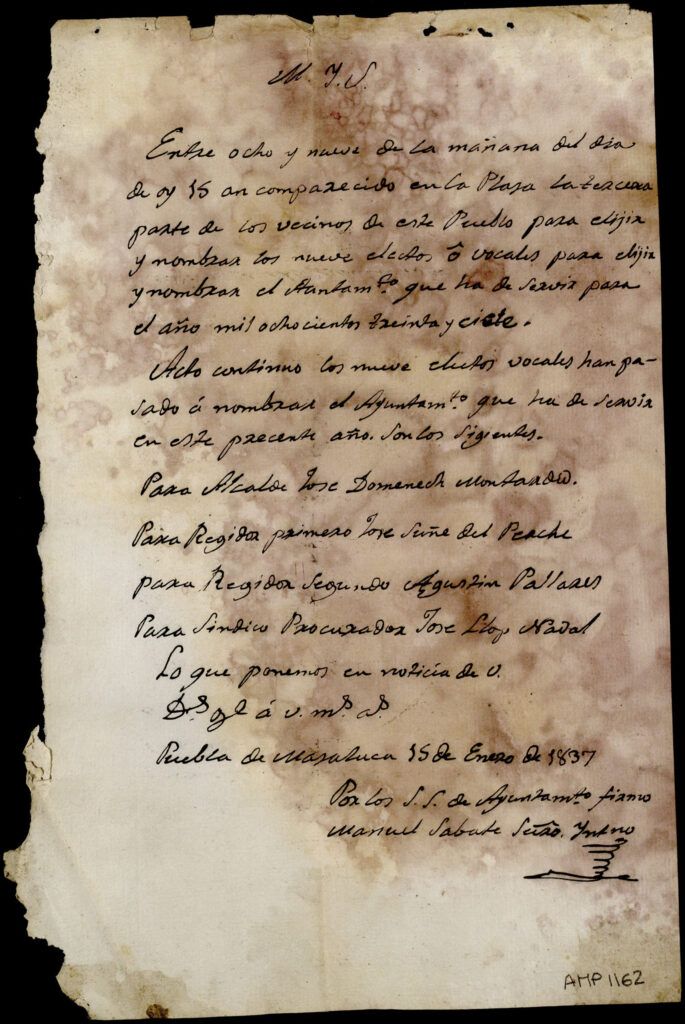
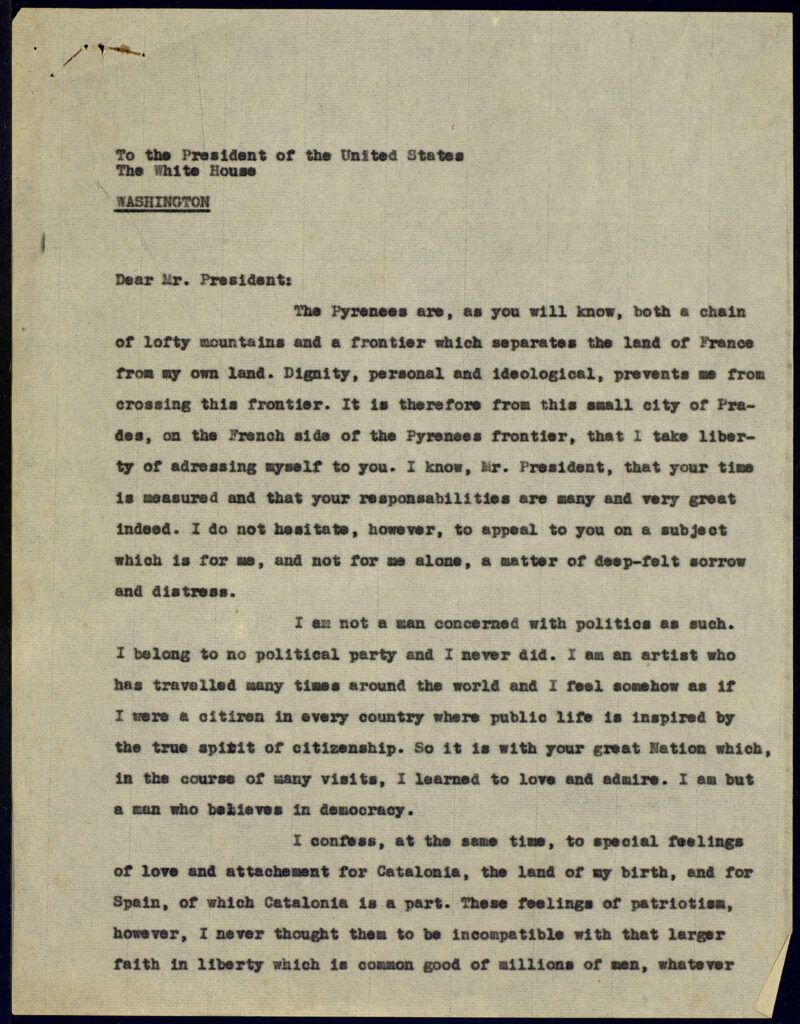
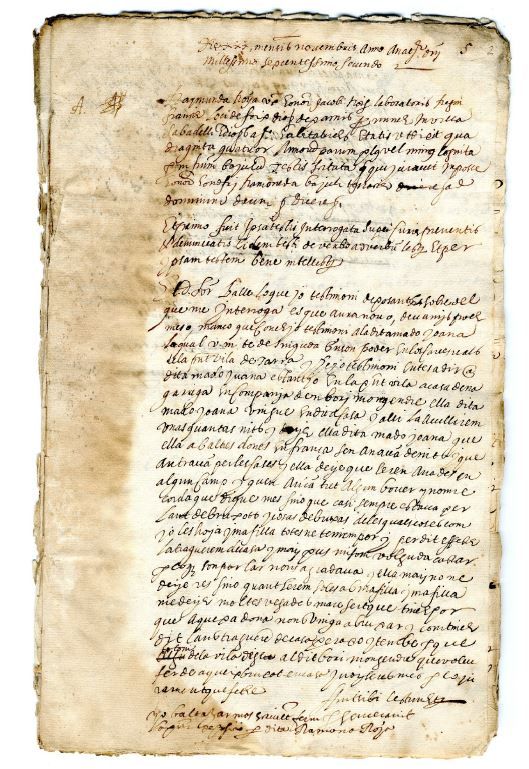
The case of Joana Parés, a widow accused of witchcraft in 1602, is an illustrative example, documented at the Vallès Occidental Regional Archive. This inquisitorial process reflects how attitudes, customs or the mere condition of being a woman could be grounds for unfounded accusations, attesting to a society in which the freedom to be and think differently was harshly repressed under the yoke of misogyny and irrational beliefs. Such persecutions are testament to the limits of tolerance and open debate at certain points in history when fear of difference silenced voices and ideas.
Freedom of thought and opinion
Freedom of thought and opinion has been a core value in Europe, whose roots can be traced to the 18th-century Enlightenment and the rise of the press as a vehicle for ideas. These ideals promoted tolerance and open debate, ultimately crystallizing in freedom of speech as a pillar of modern European societies. However, this freedom met with significant constraints in earlier times, especially in moments of rampant superstitions and social fears.
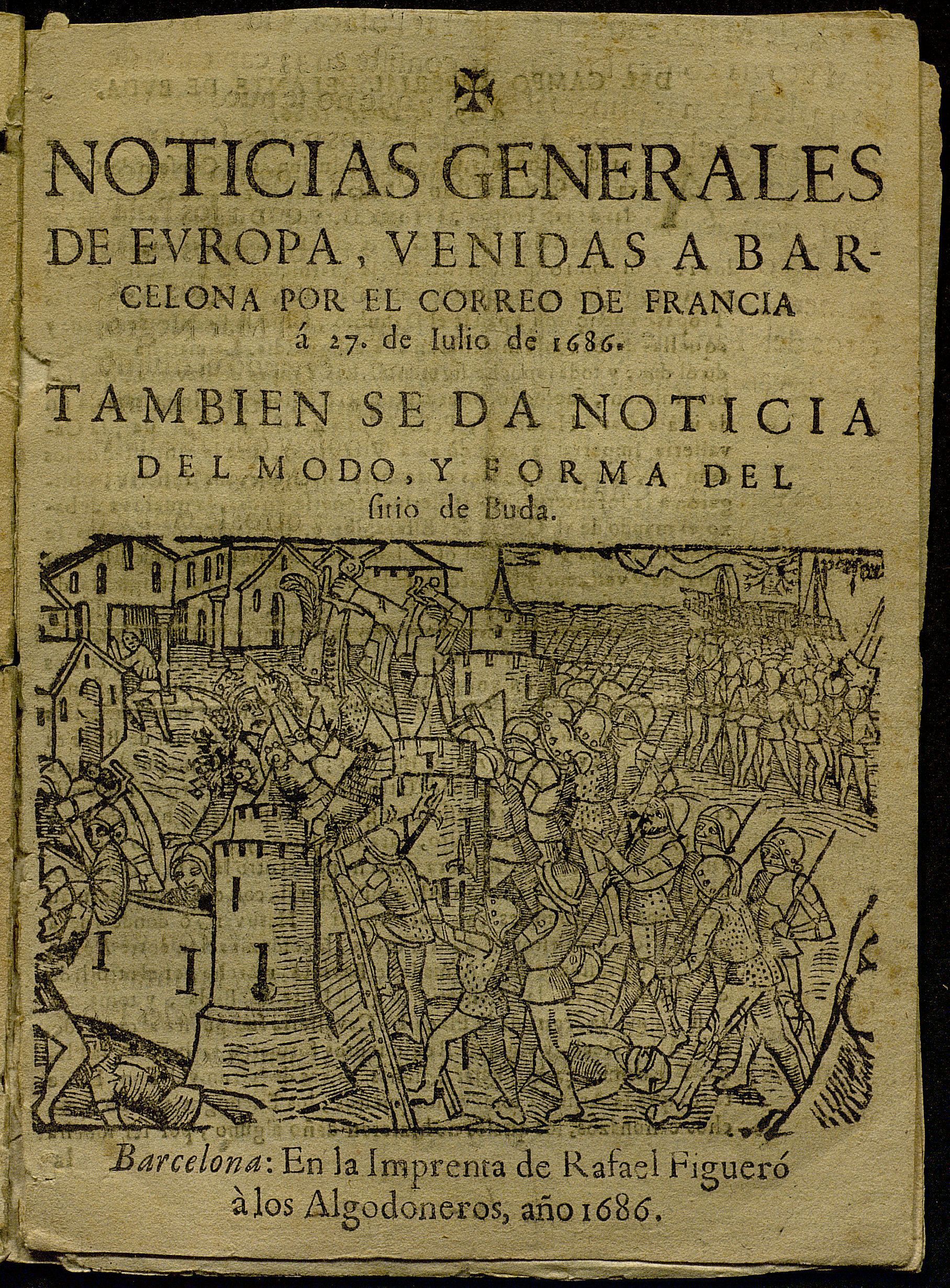
The press played a key role in promoting freedom of thought and opinion. The first newspapers had emerged earlier, in the 17th century, in cities such as Amsterdam and London, becoming tools for the dissemination of ideas and formation of a critical public opinion. In Catalonia, this freedom was on stark display during the Reapers’ War and the War of Spanish Succession, when the publication of protest leaflets and the earliest manifestations of proto-press served as tools for spreading political ideas, mobilizing support and challenging authority in a context of great political tension. By the late 17th century, the press had begun to establish itself more firmly in Catalonia. A 1686 pamphlet entitled Noticias generales de Evropa venidas a Barcelona por el correo de Francia [General news of Europe come to Barcelona by post from France] documents the dissemination of news about the Siege of Buda, showcasing the press’s role as a vehicle for reporting and fostering public debate.
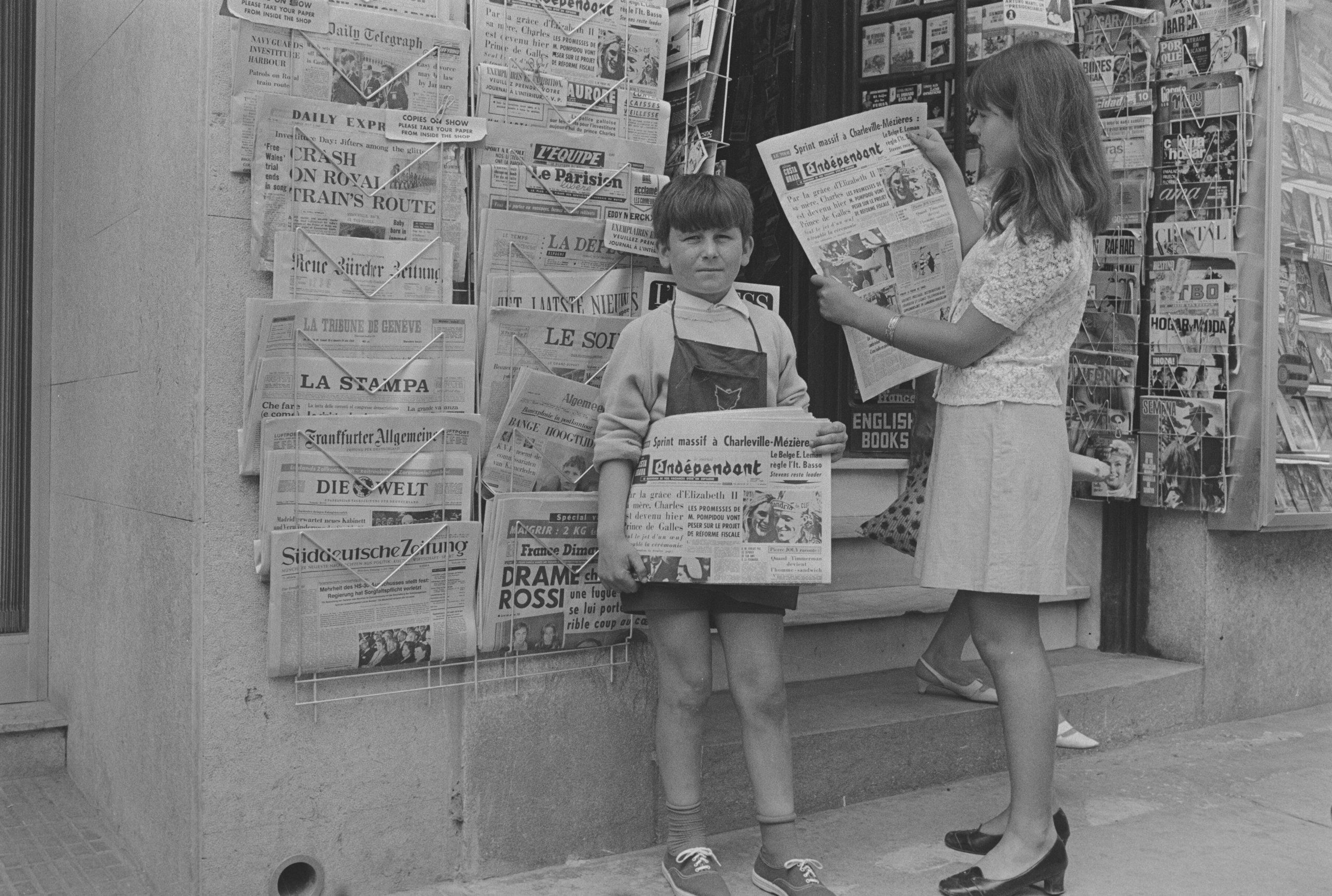
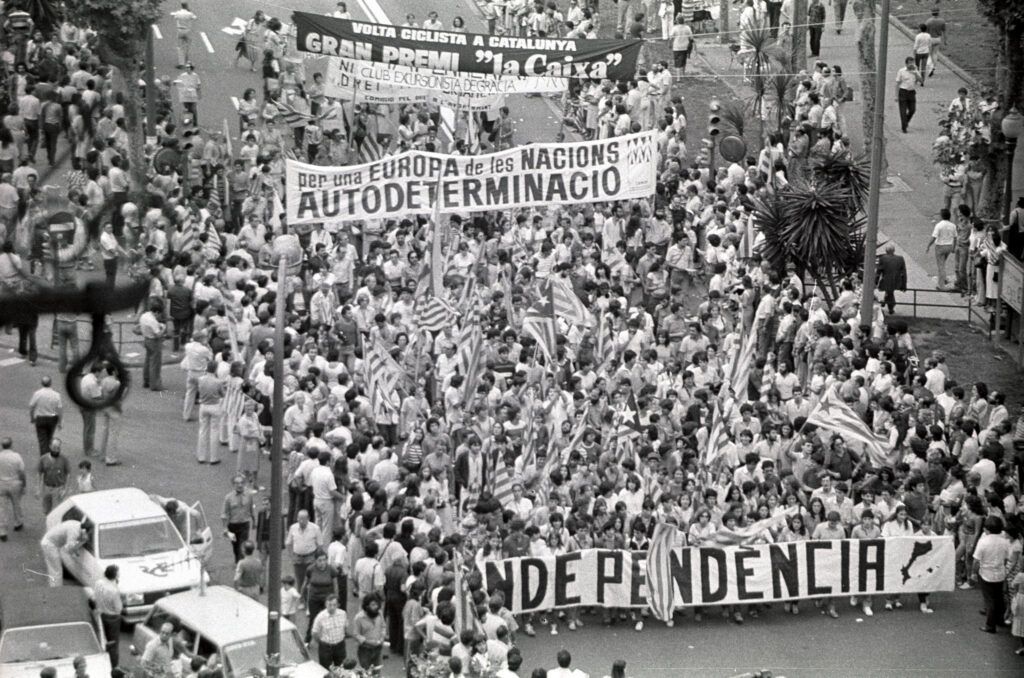
In the 19th century, mass media amplified a variety of voices, often challenging the established authorities, as was the case in the liberal revolutions. In Catalonia, this period also saw the emergence of Catalan-language publications, which promoted liberal and national ideas, reinforcing a distinct culture of reflection and expression. This freedom, however, had historical limits, including censorship in times of war or authoritarian regimes. In the 20th century, although the Franco regime’s cultural and linguistic repression severely limited freedom of expression, especially in Catalan, the press remained a means for disseminating information, often through underground publications or the international press, as exemplified by the attached image of a newsstand in Platja d’Aro during the Transition. The consolidation of democracies in the 20th century, especially in the wake of the democratic transition in Spain and its entry into the European Union, reinforced freedom of thought as a core European value.