- Date
- 1988
- Document type
- Produccions Artístiques
- Reference code
- CAT_AMCB-AMB2-006_UI32299_6
- Description
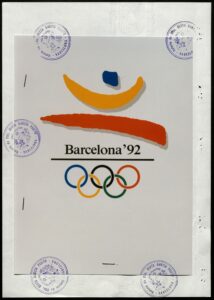
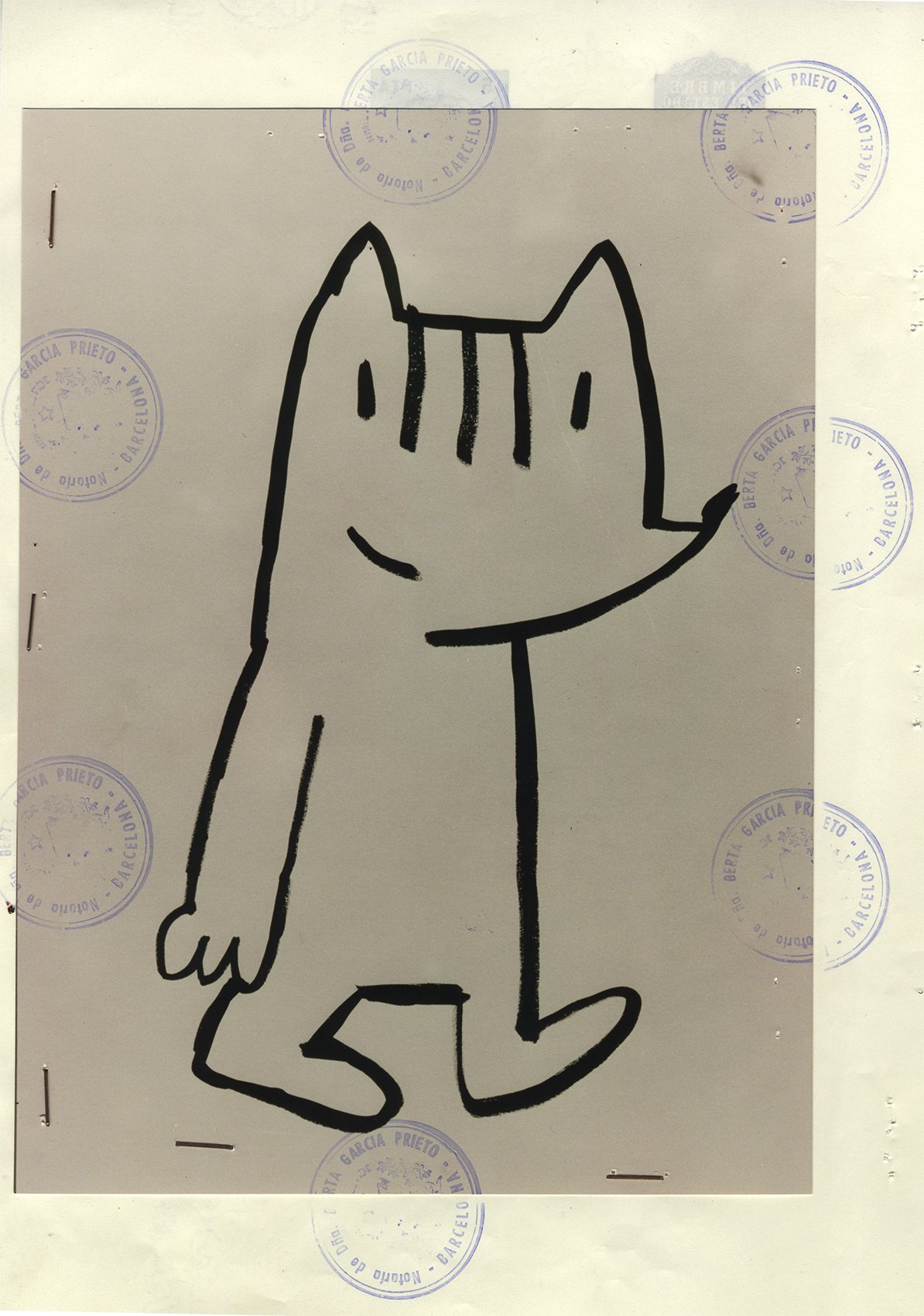
The Barcelona Olympic Games of 1992 had a profound impact on the city, Spain and also in Europe. Held at a time of great political change on the continent, with the fall of the Berlin Wall and the transition towards a more united Europe with the Maastricht Treaty (1992), the Games symbolized the new stage of openness and international cooperation that was emerging. For Barcelona, the event was an opportunity to transform into a modern and cosmopolitan city, with renewed infrastructure and new urban spaces that consolidated it as a first-rate cultural and tourist destination in Europe. The Olympic spirit strengthened European integration, as numerous countries on the continent actively participated, highlighting in particular the collaboration between countries to promote peace, solidarity and cohesion through sport. In addition, the 1992 Olympic Games were the first since the Cold War with the unified participation of many Eastern European nations, symbolizing a new era of unity on the continent. In this sense, Barcelona 1992 was not only a sporting success, but also a symbol of Europe in transformation, connected and oriented towards the future.