Documentary record of governance under the Ancien Régime
Governance in Catalonia during the Ancien Régime was articulated through a complex institutional system, marked by the interaction between the monarchy, the Catalan Parliament and local powers. Institutions such as the Generalitat and the municipal government of the Consell de Cent in Barcelona reflect a power structure with medieval roots characterised by the constant struggle for social representation. The books of local prerogatives and privileges and the registers of the Parliament offer details of laws, pacts and conflicts with the Crown, with particular effervescence during the period of the Reapers’ War. The documents show the tensions, the tendency towards centralism to the detriment of pactism and jurisdictional autonomy. This memory is essential for reconstructing the balances of power and their evolution until the end of the Antic Regime.
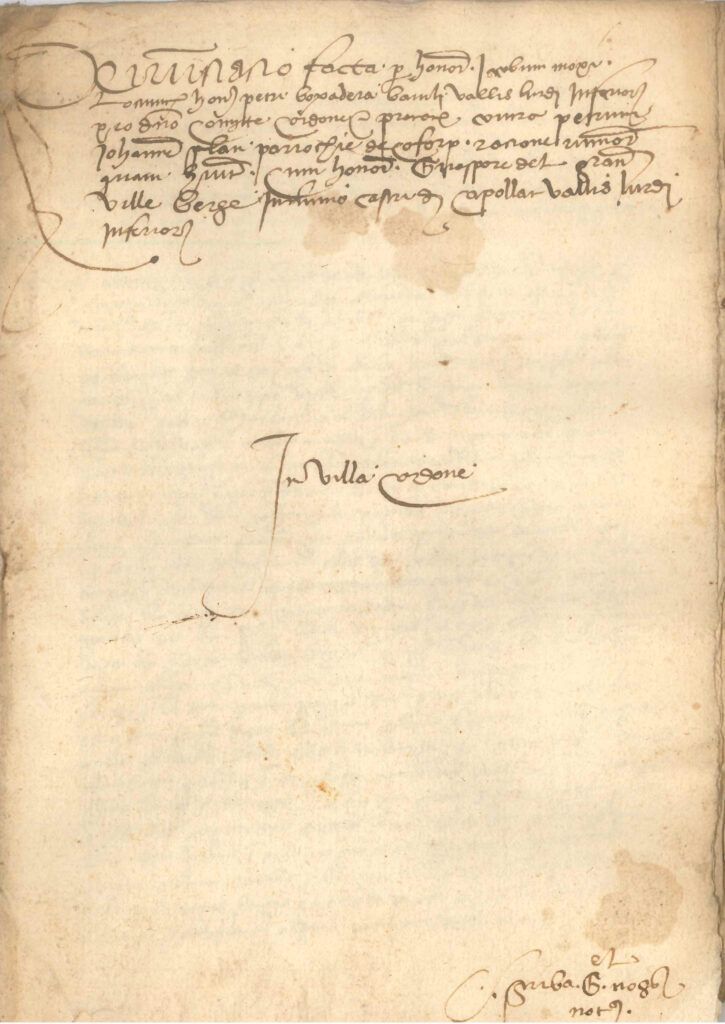
Complaint by Jaume Moxí against Pere Joan Solan
1538
A mid-16th century judicial process that exemplifies legal and administrative governance in Berguedà. It documents the functioning of local justice mechanisms in the Ancien Régime, with the participation of municipal mayors and other authorities involved in the resolution of local conflicts.
Berguedà County Archive
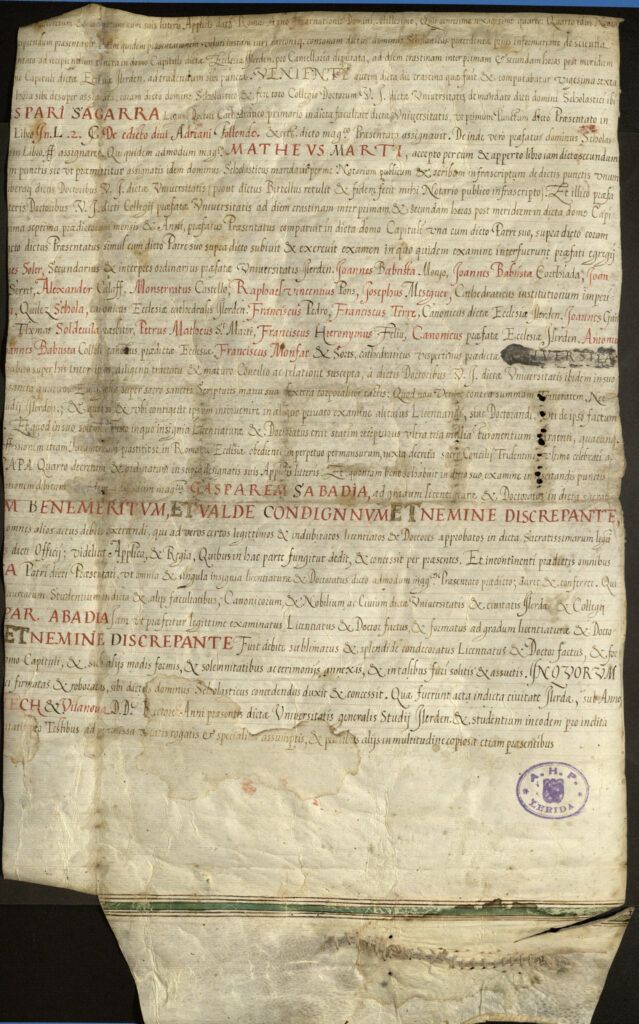
Decree on the appointment of professors at the Estudi General de Lleida
1564
Decree of organization of the professors of the Estudi General of Lleida, a key institution in the organization of higher education under royal authority. Which was one of the first universities of the Crown of Aragon, it operated until its closure in 1717 in the context of the War of the Spanish Succession.
Historical Archive of Lleida
Book of the Court of the Royal Mayor of Conesa
1593-1809
Documentation of the Royal Court of Conesa between the end of the 16th century and the beginning of the 19th century, which testifies to the functioning of royal justice and its local implications until the approval of the first Spanish Constitution of 1812.
Conca de Barberà County Archive
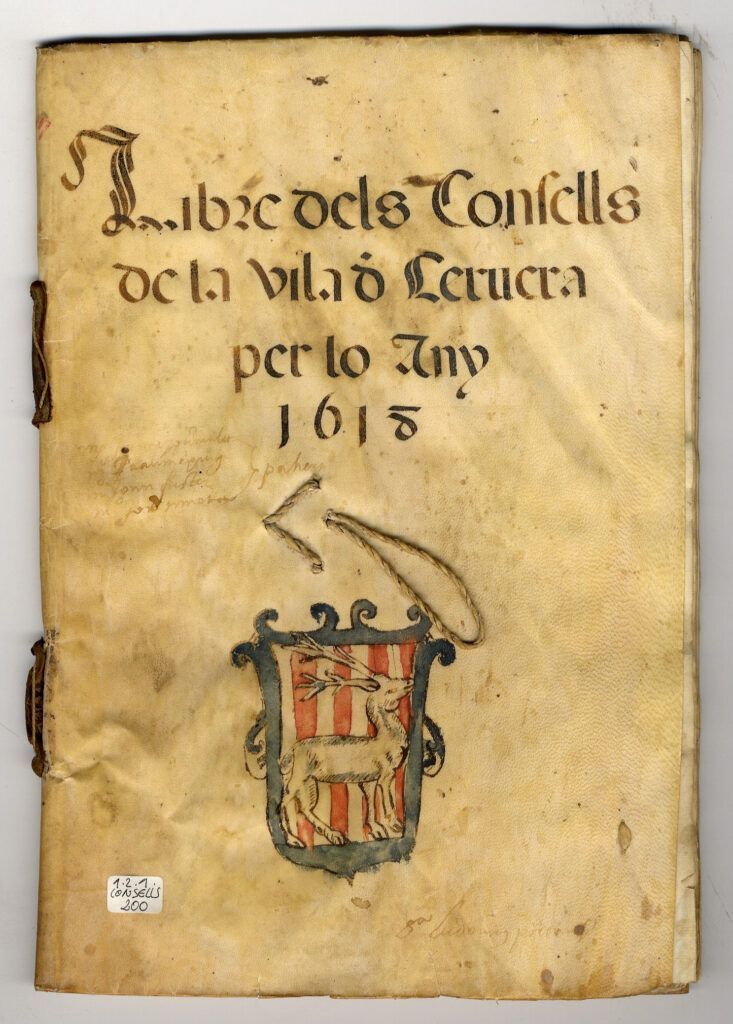
Council Book
1618
Series that collects the agreements and acts of the municipal government of Cervera during the first third of the 17th century. The volume, as usual, is presided over by the heraldic sign of the city. It provides a detailed view of the decisions of the municipal council and the administrative management of the town, two of the central elements of the contemporary institutional organization.
La Segarra County Archive
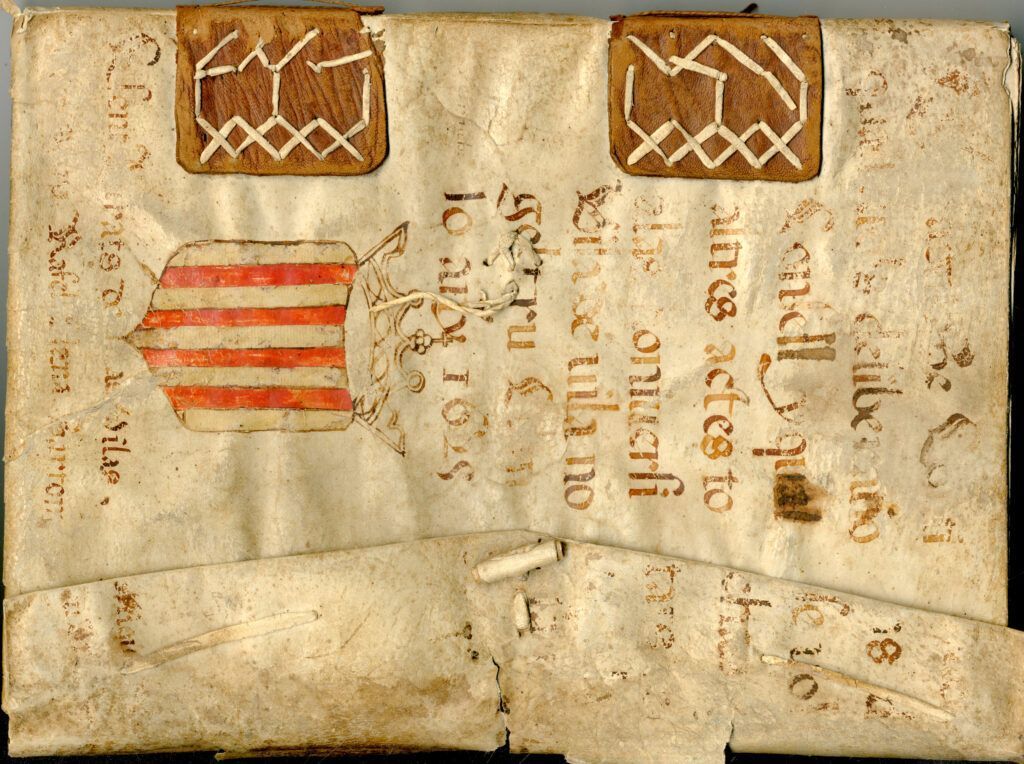
Council agreements
1650
Agreements of the Municipal Council of Vilanova i la Geltrú at a key moment in the historical trajectory of Catalonia on the eve of the Reapers’ War and the break with the Hispanic monarchy. The municipal acts record the decisions of the leaders and their influence on the local administrative organization.
Garraf County Archive
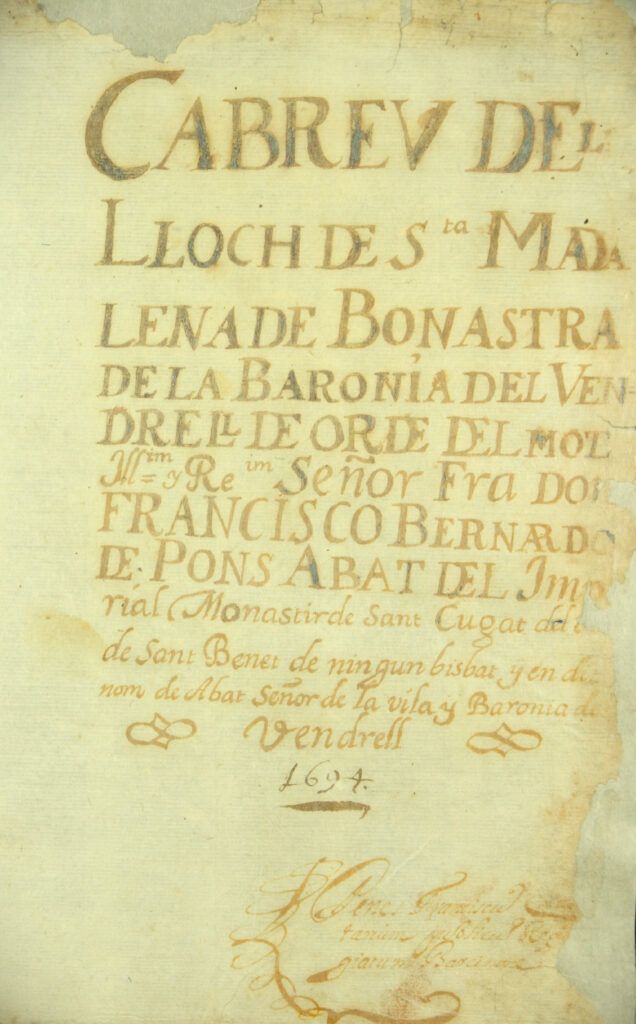
Book of records of the place of Bonastre
1696
Capbreu (a type of manorial register in medieval Catalonia) of the town of Bonastre in the 17th century, a governance instrument where they document the manorial rights and payments of the emphyteutes, which presents a detailed vision of the socioeconomic and administrative structure of the Ancien Régime at the local level.
Baix Penedès County Archive
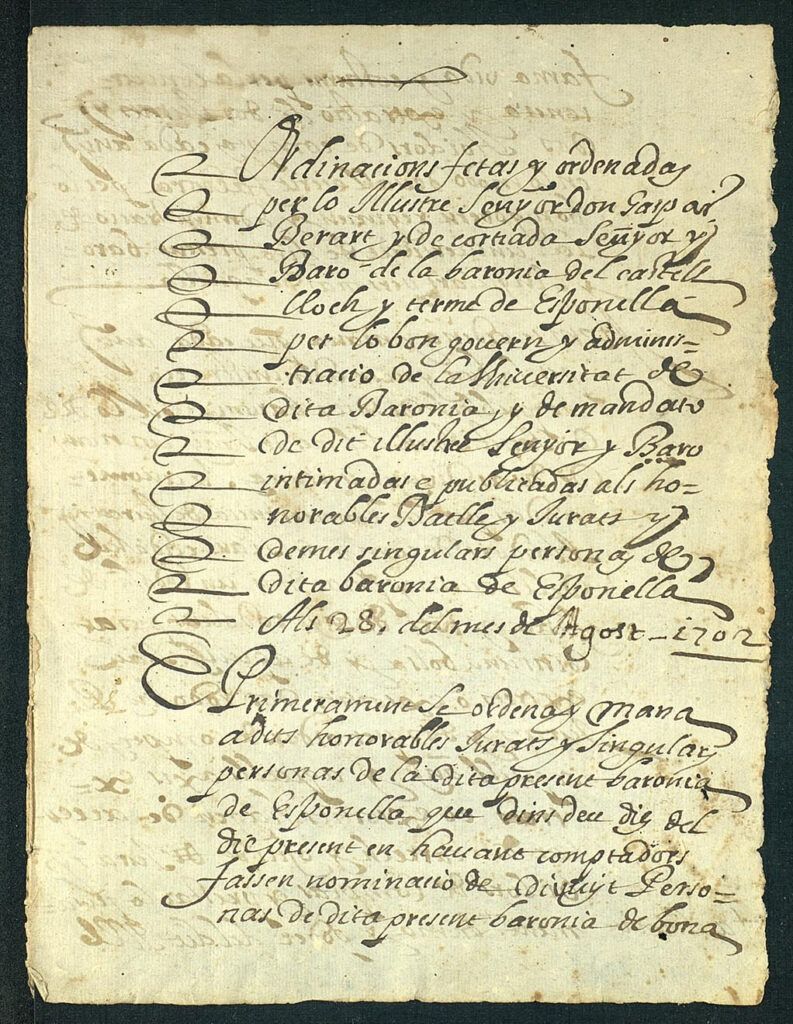
Ordinances for the good governance of the barony of Esponellà
1702
These ordinances established by Gaspar Berart for the government of the barony of Esponellà at the beginning of the 18th century document the local administrative organization under the authority of a lord. It is an archetypal document in the history of documentary management and archives of the manorial regime of the Ancien Régime before the Constitution of 1812.
National Archive of Catalonia
Clavariat (Treasurer’s) Book of the Town Council of Berga
1725-1737
It collects the municipal accounting of the new Bourbon town hall of Berga that emerged from the New Organizational Plan of Catalonia in the time of Philip V. It provides detailed information on the management of public resources, a strategic pillar of the local organization of the new governmental authorities.
Berguedà County Archive
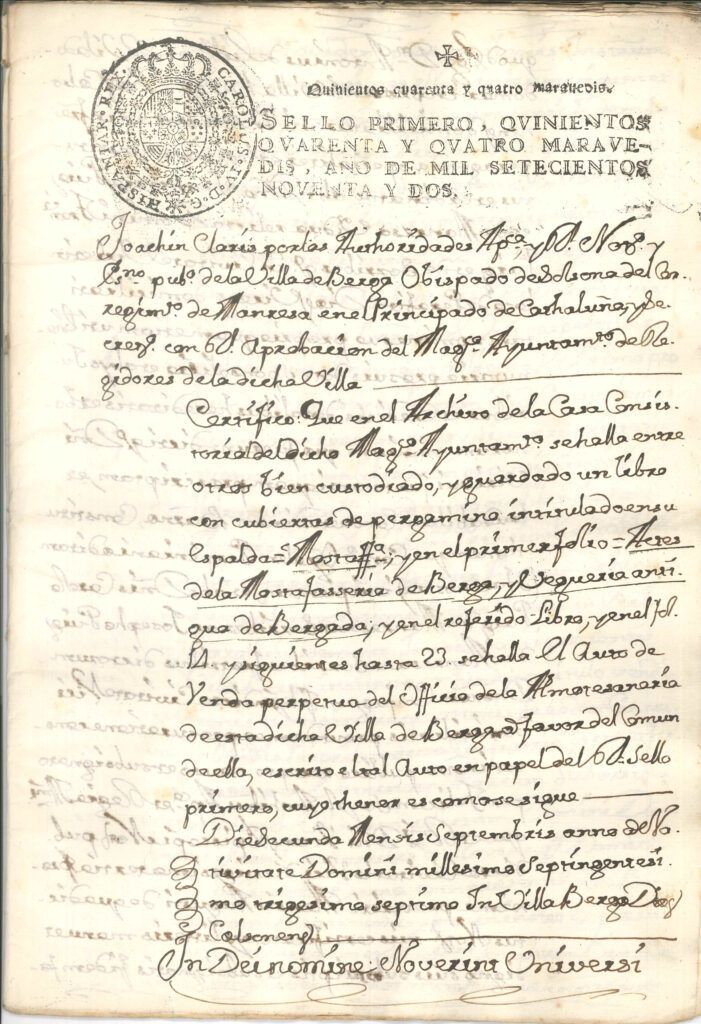
Copy of the perpetual sale deed of the Berga mostaçaferia buisness (municipal market inspector)
1737
Document that accredits the sale of a public office in the 18th century, a practice typical of the Ancien Régime to finance municipal institutions such as the Berga City Council. It is a paradigmatic example of the mechanisms of administrative management and the new links between the common good and the private under the autocratic Bourbon regime.
Berguedà County Archive
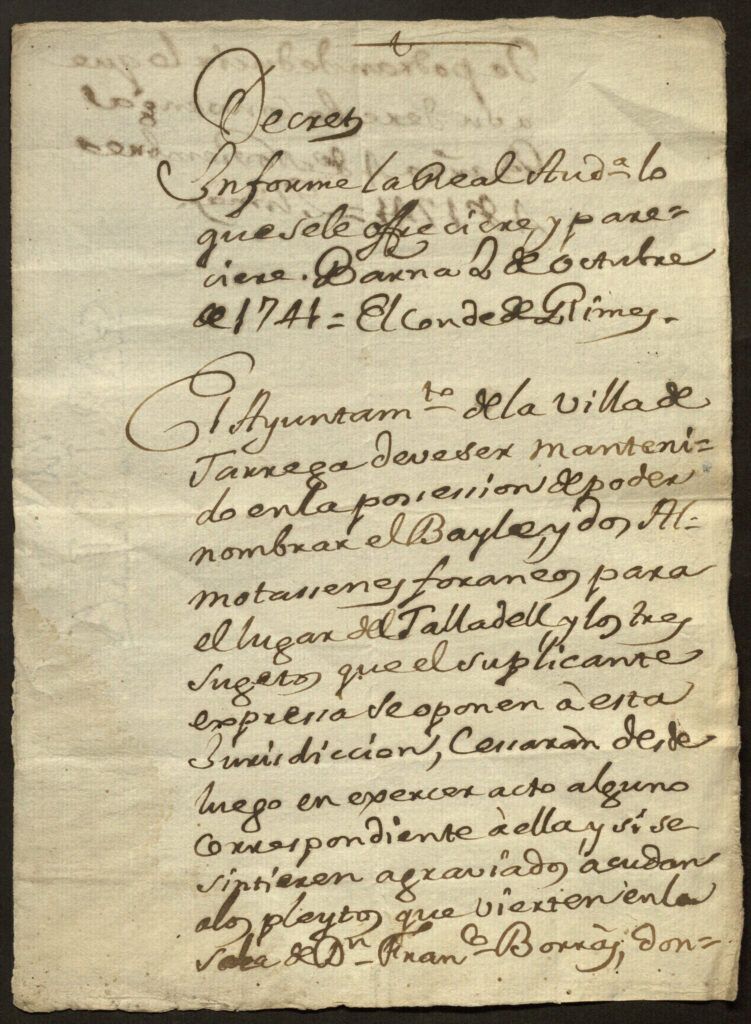
Decree of the Royal Court of Barcelona on the powers of the Tàrrega City Council
1741
Decree of the Royal Audience of the Catalan capital regulating the powers of the Tàrrega City Council in the appointment of local positions in the mid-18th century. It exemplifies Bourbon administrative governance, showing the power structure between the Royal Audience and local governments throughout the territory.